Free wildlife sessions launch at Testwood Lakes Nature Reserve

Zoe Gater

wildlife

Families can discover the wildlife of Testwood Lakes Nature Reserve through a new programme of free weekly sessions, with pond dipping, meadow sweeping and birdwatching on offer.


Families and local residents can get closer to nature this summer as Hampshire & Isle of Wight Wildlife Trust launches a new programme of free Nature’s Knock-in sessions at Testwood Lakes Nature Reserve near Totton.

Taking place every Sunday from 10.30am to 12pm, the drop-in sessions invite visitors of all ages and abilities to explore the 150-acre reserve, discover local wildlife and take part in hands-on activities with the Trust’s ranger team.

Activities will change with the seasons and could include meadow sweeping to uncover crickets, grasshoppers and beetles, pond dipping and visits to the reserve’s bird hides, where visitors may spot oystercatchers, lapwings and black-headed gulls.

Binoculars, spotting scopes and wildlife identification guides will be available, with rangers on hand to help visitors make the most of their wildlife discoveries.

“Testwood Lakes is a fantastic place for people of all ages to explore, and Nature’s Knock-in is all about helping more people discover the wildlife on their doorstep,” says Lewis Clark, Seasonal Ranger at Testwood Lakes Nature Reserve.

“We want local residents to come and experience Totton’s hidden haven for wildlife, try something new and enjoy spending time outdoors.”

Visitors can simply turn up on the day and follow signs to the Education Centre, where details of the week’s activity will be available. The sessions are free to attend, with accessible parking and toilets available on site.

Set on the edge of Totton, Testwood Lakes is home to lakes, wetlands, meadows and woodland, supporting a wide variety of wildlife throughout the year.

Nature’s Knock-in at Testwood Lakes Nature Reserve takes place every Sunday from 10.30am-12pm.

Find out more via the Testwood Lakes Facebook group.

Wiltshire Wildlife Trust photography competition returns with new prize and exhibition

Zoe Gater

wildlife

Wildlife photographers of all ages can enter Wiltshire Wildlife Trust’s 2026 Photography Prize this August, with a new award and public exhibition of the best images coming to Langford Lakes this winter.


Got a great wildlife shot sitting on your camera roll? Wiltshire Wildlife Trust’s annual Photography Prize is returning this August, giving budding and experienced photographers the chance to showcase the natural world on their doorstep.

Entries opened on Saturday 1 August 2026 and close on Monday 31 August, with photographers invited to submit their best images capturing Wiltshire’s wildlife, landscapes and natural environment.

There are categories for Under 18s and 18 and Over, with this year’s competition also introducing a brand-new Wild View Cameras Sponsor’s Choice Award.

Every photograph entered into the main competition will automatically be considered for the new award, with Wild View Cameras choosing their favourite image from the entire pool of entries. The winner will receive a £100 Wild View Cameras voucher, regardless of their age category.

The main category winners will also receive £100 vouchers, while four runners-up will each receive £50 vouchers.

And there’s another reason to get snapping this year, as the competition’s best images will be displayed publicly for the first time.

A special exhibition featuring the top photographs will run throughout November 2026 at the Brockbank Centre at Langford Lakes Nature Reserve, giving visitors the chance to see Wiltshire’s wildlife through the eyes of local photographers.

The competition will be judged by a panel bringing together expertise in wildlife photography, conservation and visual storytelling.

The judges include Wiltshire-based wildlife photographer and filmmaker Nick Upton, Wildlife Trusts Communications Manager Daniel Laverick and South West-based environmental communicator Emily Weatherburn, also known as Wildlife Emily.

The Trust is also looking for a member of its own community to join the judging panel. Members interested in applying can contact the Trust by Wednesday 15 July for more information.

Becki Mckinlay, Director of Fundraising and Engagement at Wiltshire Wildlife Trust, said: “We were absolutely delighted with the incredible standard of last year’s entries, which really showcased the passion the people of Wiltshire and Swindon have for its local nature and wildlife.

“The quality was so exceptional that two of the submitted images made it onto the front covers of our magazines. With the addition of the new Wild View Cameras Sponsor’s Choice Award and our upcoming exhibition at Langford Lakes this November, we cannot wait to see how our community captures the spirit of Wiltshire’s wildlife this August.”

Last year’s winning images featured on two Wiltshire Wildlife Trust magazine covers and were also used to create a special set of postcards for new members.

Entries for the 2026 Wiltshire Wildlife Trust Photography Prize open on 1 August.

Full entry details and the submission portal will be available via the Wiltshire Wildlife Trust website.

Be wildfire aware: Simple steps to protect Surrey’s countryside this summer

Zoe Gater

wildlife

As hot, dry weather increases the risk of wildfires, Surrey Fire and Rescue Service and the Surrey Nature Partnership are urging visitors to help protect the county’s precious heathlands, wildlife and communities.


“Wildfires can cause devastating damage to our countryside, wildlife and local communities, often taking years to recover.”

That’s the message from Surrey Fire and Rescue Service, which has joined forces with the Surrey Nature Partnership to remind everyone that a few simple actions can make a big difference to keeping the countryside safe this summer.

Increasing temperatures and prolonged dry conditions are placing Surrey’s green spaces at greater risk of fire. Important heathland habitats including Chobham Common, Hankley Common and Blackheath Common are particularly vulnerable. These landscapes are home to rare wildlife including Nightjars, Dartford Warblers and other protected species that depend on this fragile environment.

Most wildfires in Surrey are caused by human activity and are entirely preventable.

The Surrey Nature Partnership, which includes Surrey Wildlife Trust, Surrey County Council, the Forestry Commission, The Woodland Trust, the National Trust, Thames Basin Heaths Partnership and Surrey Hills National Landscape, is encouraging everyone visiting the countryside to follow a few simple steps:

– Swap BBQs for picnics. Do not use disposable barbecues, open fires or camping stoves on Surrey’s heathlands or grasslands.

– Dispose of all smoking materials safely and never leave them behind.

– Take litter home or use bins where provided, as discarded rubbish can pose a serious fire risk as well as harming wildlife.

If you see a fire

– Report it immediately by calling 999 and asking for the Fire Service.

– Give as much information about the location as possible.

– Do not attempt to tackle the fire yourself. Move to a safe distance and follow emergency advice.

Wildfires have become an increasing threat across Surrey in recent years, damaging important wildlife sites including Chobham Common, Whitmoor Common and Barossa.

In 2022, a major wildfire devastated around 500 hectares of Pirbright Ranges, an internationally important heathland that could take more than a decade to recover.

Nicola Buckland, Communications Officer at Thames Basin Heaths Partnership, says: “Wildfires can cause devastation to lowland heathland habitats and decimate populations of slow-moving animals such as reptiles and ground-nesting birds. We appeal to all visitors to ‘Be Wildfire Aware’ and support us in helping protect these rare landscapes.”

Find out more about protecting Surrey’s countryside at the websites of Surrey Fire and Rescue Service and the Surrey Nature Partnership.

Discover Nature at Sandham Memorial Chapel this summer

Zoe Gater

wildlife

Sandham Memorial Chapel offers a wonderful day out where art, history and nature come together in a truly special setting.


Just off the A34, Sandham Memorial Chapel offers far more than its world-famous paintings. While many visitors come to admire Sir Stanley Spencer’s extraordinary murals or explore another National Trust treasure, there’s another reason to visit – the beautiful natural landscape that surrounds this unique place.

From the moment you arrive, it’s easy to appreciate the peaceful beauty of the setting. Beyond the chapel, the view stretches towards Watership Down, a landscape Stanley Spencer loved so much that it features in his painting The Resurrection.

Step through the lychgate and follow the same brick path Spencer once walked, and you’ll find tranquil wildflower meadows, mature trees and a historic orchard, much of which has remained part of the chapel’s setting since it was created in the 1920s.

The orchard is home to a wonderful collection of traditional apple varieties, including Bramley’s Seedling, Prince Albert and Newton Wonder. Native hedgerows planted with hawthorn, dog rose, holly and berberis – originally sourced from the nearby Carnarvon Estate, now better known as Highclere Castle – continue to provide food and shelter for wildlife throughout the year.

Near the entrance stands a magnificent oak tree, planted in 1960 by the West Berkshire Branch of the Salonika Reunion Association in memory of Stanley Spencer. Benches beneath its branches offer the perfect place to pause, enjoy the birdsong and simply take in the surroundings.

This summer marks an exciting milestone for the gardens as the wildflower meadow will be managed using traditional scything. One of Sandham’s garden volunteers has trained with the team at The Vyne to learn this historic skill.

The meadow will only be cut once the wildflowers have set seed, with the cut grass left briefly to allow seeds to fall and wildlife time to move safely before it is removed. This traditional approach helps maintain a rich habitat for insects, birds and small mammals while encouraging an even more diverse display of flowers in years to come.

The work reflects the National Trust’s People and Nature strategy, which aims to restore nature, make it accessible to everyone and inspire more people to care for the natural world.

Whether you come for the art, the history or simply a peaceful walk, Sandham Memorial Chapel offers the chance to slow down, reconnect with nature and enjoy one of Hampshire’s most tranquil settings.

If you’d like to explore even further, join one of the popular Walking in Stanley’s Footsteps guided walks. Covering around three miles, they explore the landscapes that inspired Spencer and reveal more about the history of Sandham and the surrounding countryside.

The next walks take place on Tuesday 22 July at 10.30am and Friday 19 September at 12.30pm. Booking is essential by calling 01635 278394 or emailing sandhamevents@nationaltrust.org.uk.

Dads go free at Beale Park this Father’s Day weekend

Zoe Gater

wildlife

From wildlife encounters and adventure play to unique animal experiences, Beale Wildlife Park is offering families the perfect way to celebrate Father’s Day this June with a special free-entry offer for dads.


Families looking for a memorable way to celebrate Father’s Day can enjoy a special weekend offer at Beale Wildlife Park, where dads will receive free entry on 20 and 21 June 2026 when accompanied by a full-paying ticket.

The Berkshire wildlife attraction is inviting visitors to mark the occasion with a day spent exploring its scenic grounds, discovering a diverse collection of animals and enjoying its family-friendly adventure play areas. Situated alongside the River Thames, Beale Wildlife Park offers plenty of opportunities for all ages to enjoy the outdoors while creating lasting memories together.

For those looking to make the celebration even more special, the park is also encouraging families to consider one of its popular Animal Experiences as a Father’s Day gift.

These unique encounters give participants the chance to get closer to some of the park’s animal residents while learning from expert keepers, offering an unforgettable addition to a day out at the park.

Visitors planning to take advantage of the Father’s Day weekend offer should be aware that Beale Wildlife Park’s miniature railway will not be operating during the event, as essential maintenance works are being carried out.

The park has apologised for any disappointment this may cause and thanked guests for their understanding while the improvements are completed.

The Dads Go Free promotion runs exclusively on 20 and 21 June, with free admission available for fathers accompanied by a full-paying ticket.

Further information and advance booking details can be found at bealepark.org.uk.

Fleet Pond Society celebrates 50 golden years in 2026

Zoe Gater

wildlife

Cathy Holden from Fleet Pond Society shares the history of and love for the nature reserve as the society celebrates its 50th anniversary.

This year, Fleet Pond Society celebrates 50 years of caring for Fleet Pond Nature Reserve – an important local SSSI (Site of Special Scientific Interest) and Hampshire’s largest freshwater lake.

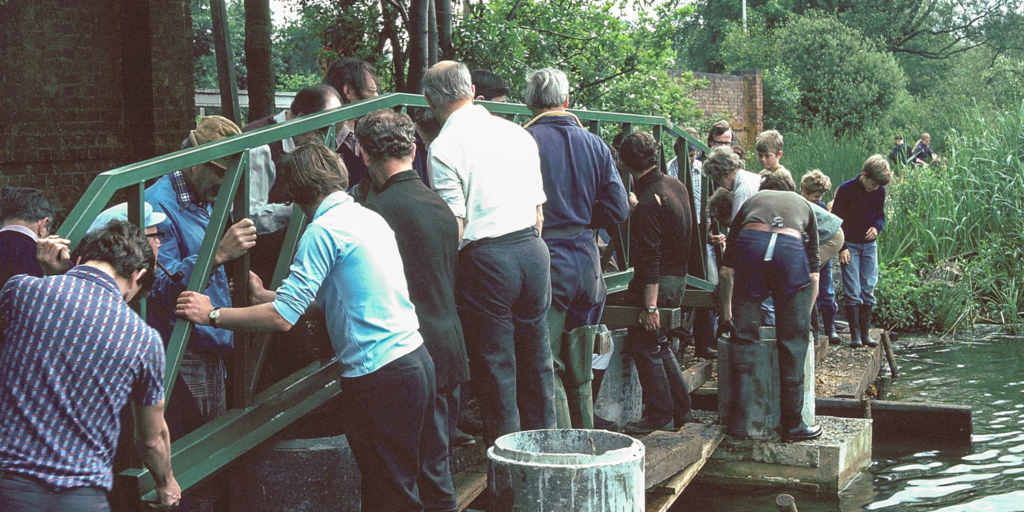
Over these 50 years, hundreds of volunteers have repaired footpaths, installed bridges, jetties, dipping platforms and look-out points. They have dredged silt and managed islands, along with a myriad of other conservation tasks, to keep this beautiful community asset accessible to both wildlife and people.

In 2003, recognition of the volunteers’ outstanding work led to the Society receiving the Queen’s Award for Voluntary Service (‘Unsung Heroes’).

And in 2008, University College London carried out a depth survey as part of the OPAL (Open Air Laboratories) project. It showed the pond measured no more than 0.8 metres deep.

As a result, in 2010 the Society launched the ‘Clearwater Campaign’, a partnership between themselves, Hart District Council, Natural England, the Environment Agency, MoD and other interested parties.

Following successful fundraising throughout the community, along with grants and major awards from statutory bodies, dredging began in 2012.

Volunteers then created reed-covered islands from the removed silt. A small group continues to encourage reed growth on these islands, keeping them free from saplings.

The reedbeds and heathland areas form priority habitat, and volunteers work tirelessly to keep them viable – and for the first time, volunteers have recorded Nightjars on the Dry Heath.

Over the summer, the Society organises a range of education and conservation-related activities for local youth groups, including Scouts, Cubs, Beavers, Rainbows and the Boys’ Brigade.

FPS Chairman Jim Storey said: “The past fifty years have shown that there is no limit to the enthusiasm, skill and tireless work of our fantastic volunteers. We could not do it without them. Onwards to the next fifty!”

To learn more, visit fleetpond.org.uk

Rare water voles return to River Thame after decades

Zoe Gater

wildlife

Rare water voles, celebrated in Wind In The Willows, have been spotted the River Thame catchment area for the first time in decades.

For the first time in decades, water voles have been confirmed living in the River Thame catchment, offering a hopeful boost for one of Britain’s fastest-declining mammals.

Known to generations of readers as Ratty in The Wind in the Willows – written by Henley resident Kenneth Grahame – the real-life return of this much-loved riverside character feels especially poignant locally.

Volunteer monitors from the River Thame Conservation Trust captured video evidence of water voles at two sites – on the River Thame near Chearsley and Chalgrove Brook in Stadhampton– using motion-sensor wildlife cameras, earning a mention on Radio 4’s Today programme.

The discovery marks a milestone in the charity’s long-running monitoring across the catchment.

“It’s a fantastic affirmation of hard work by all the volunteers and landowners,” says Hilary Phillips of the trust. “These findings remind us how vital it is to protect and improve river and floodplain habitats, so we don’t lose any more precious wildlife.”

One of the first clips showed a heron catching water voles, dramatic footage that, while difficult to watch, confirmed their previously undetected presence. Soon after, further video revealed a water vole swimming past a mink monitoring raft, clear evidence that at least one animal is actively using the river system.

Water voles were once common along British waterways but have declined by more than 90% since the 1990s, largely due to habitat loss and predation by invasive American mink.

Since 2023, the trust has been working with BBOWT as part of a landscape-scale mink control programme, funded through Natural England’s Species Recovery Programme.

Conservation experts say the sharp drop in mink detection is encouraging and may be giving water voles the breathing space they need to recover.

The rediscovery signals renewed hope that these charismatic mammals could once again become a familiar sight.

Find out more at riverthame.org.

RHS Garden Showcases Medicinal Plant Magic

Round & About

wildlife

RHS Healer’s Hollow explores the use of plants as medicine in a feature garden at this year’s RHS Hampton Court Palace Garden Festival 

Discover RHS Healer’s Hollow: Celebrating Plant Folklore and Healing

Inspired by centuries of plant stories and traditional herbal medicine, RHS Healer’s Hollow invites visitors to reconnect with nature. This garden shows how plants have helped people’s health and wellbeing for many years. Moreover, it highlights the natural healing power of plants and old wisdom.


Meet the Creators of RHS Healer’s Hollow

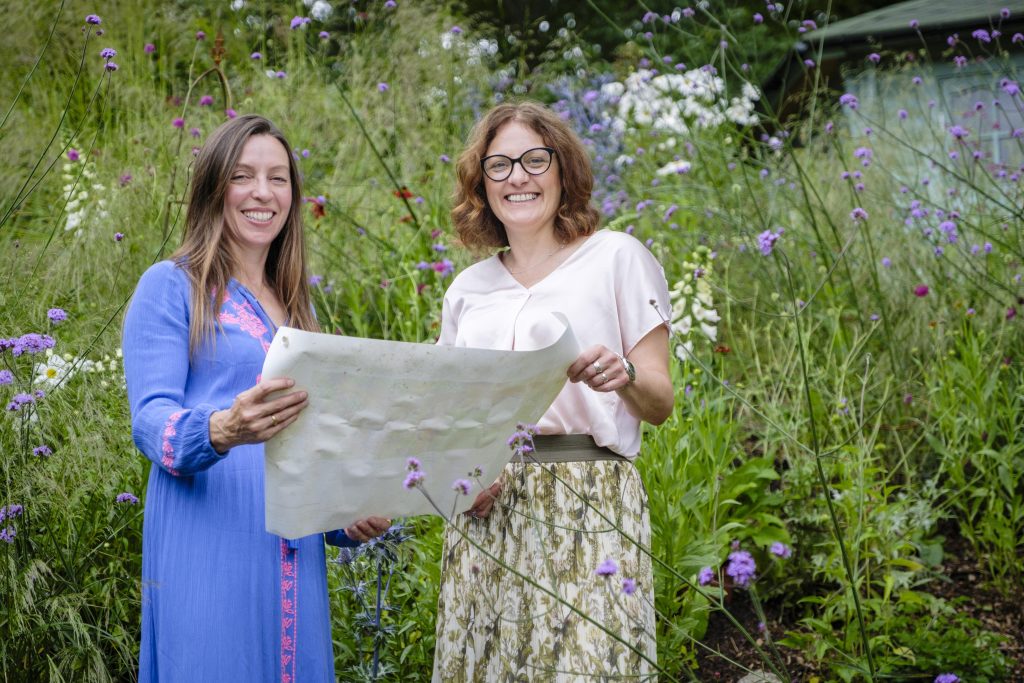
Award-winning designers Emily Grayshaw and Jude Yeo from Inspired Earth Design in Godalming created this garden. After winning two gold medals and a Best in Show award at earlier RHS events, the RHS asked them to design this special garden. Their work focuses on the strong bond between people and plants, showing how nature can heal us.


Healing Stories Told Through Garden Design

The garden centres on Gaia, a wise healer who lives off the grid in a handmade shepherd’s hut. Through Gaia’s story, visitors learn about both old and new ways of using plants for health. For example, the garden is a calm space filled with plants known for their healing and traditional uses. It encourages everyone to explore natural remedies that have helped people for centuries.


A Closer Look at the Garden’s Features

Emily and Jude worked with local artists to create many garden features. These include botanical artwork, natural materials, and the handmade shepherd’s hut. Each element serves a purpose and tells part of the garden’s story. Additionally, the designers consulted a historical herbologist and a medicinal horticulture lecturer. Their expertise helped ensure the garden’s authenticity and educational value.


Bringing Healing to the Community

After the festival ends, parts of RHS Healer’s Hollow will move to Farncombe Community Garden near Godalming. This space, supported by local doctors, promotes social prescribing. It encourages patients and community members to engage with nature for better physical and mental health. In fact, their goal is to foster “growing community wellbeing” through gardens and green spaces.

More information click here 

Experience the Magic of Heathland This Summer at Heath Week 2025!

Round & About

wildlife

Thames Basin Heaths Partnership Heath Week events run from July 28th to August 3rd & they hope to see you there! 

Discover the Magic of Heath Week 2025 with Thames Basin Heaths Partnership

Thames Basin Heaths Partnership (TBHP) invites you to join Heath Week 2025 from July 28th to August 3rd. This free, week-long celebration is packed with family-friendly activities to help protect the precious heathland across Surrey, Berkshire, and Hampshire.


Explore, Learn, and Protect Heathland Together

Heathland is a rare and beautiful ecosystem that supports unique wildlife like nightjars, rare butterflies, and six native reptile species. During Heath Week, you can:

  • Discover fascinating heathland wildlife
  • Take part in interactive quizzes and creative nature crafts
  • Explore scenic trails and join expert-led walks and talks
  • Meet the passionate TBHP team and partners dedicated to conservation

If you bring your dog, look out for Heathland Hounds offering free advice, dog treats, and info about new dog-friendly walks.


Heath Week 2025 Event Highlights

Monday, 28 July

  • Butterflies and Other Things with Wings, Chobham Common, 10am–1:30pm
  • Wildfire Awareness Roadshow, Wildmoor Heath, 10am–2pm
  • Butterfly and Reptile Walk (RSPB), Blackbushe, 10:30am–12:30pm*
  • Nightjar Walk, Whitmoor, 8pm–10pm*
  • Marvellous Moths, Heather Farm, Horsell, 9pm–12am*

Tuesday, 29 July

  • Heathland Insects, Horsell Common, 10am–2pm
  • Forestry Finds (Forestry England), Bramshill Plantation, 10am–2pm
  • Sensory Scavenger Hunt, Wildmoor Heath, 10am–2pm

…and more events throughout the week

(Booking required for some events)

View the full event calendar and book your spot here → (internal link suggestion)


Why Your Participation Matters

By joining Heath Week, you help raise awareness of this special habitat. Your involvement supports conservation efforts that protect heathland’s rare wildlife and natural beauty. Whether you’re a nature enthusiast, dog walker, or family looking for outdoor fun, Heath Week offers a wonderful way to connect with nature.


Plan Your Visit

Mark your calendar, bring your family and friends, and get ready to enjoy a week of discovery, fun, and conservation. Learn more about the Thames Basin Heaths Partnership’s work and other year-round events at TBHP’s website.

Please note events are subject to change. Follow the events calendar for up-to-date information here.

Couple’s mighty cycle for local wildlife

Liz Nicholls

wildlife

Oxfordshire couple Richard and Sian Liwicki, aged 65 and 62 years, have just completed a month-long cycling trip along the longest river in France to raise funds for local charity Wild Oxfordshire

In spite of awful weather they pedalled more than 1,150km along the Loire, climbed a total of 11,200m, carrying all their belongings in paniers.

The couple planned the trip and organised all the logistics themselves. Richard says: “We had cycled the Rhine before so we knew what we needed to pack, and how to organise and navigate all the stages in this long trip. We trained for weeks. What we had not planned for was the wettest September in France in 25 years. We cycled through two icy storms and faced strong headwinds in the mountains. We regularly got wet so getting dry for the next day was an added challenge. However, we knew we could not stop and the French locals were incredibly helpful and kind. Motorists are used to a vibrant cycling culture in France.”

Sian who has been a supporter of Wild Oxfordshire for many years adds: “We wanted to really spend time getting to know this beautiful part of France and travel sustainability. We used public transport to get to the start and for our return journey. We wanted to raise funds for nature in Oxfordshire because we knew it would spur us on during this challenging trip. We were even more determined when we heard that Butterfly Emergency in September.

“Cycling is our way of experiencing and celebrating nature up close. We wrote a wildlife and travel blog along the way, and it was inevitable that we would make comparisons between our county along the Thames, and the Loire countryside.

“Our friends and family have been very encouraging and we are over half way to hitting our target of £7,000. We have just got to get around to telling everyone that we made it!”

Camilla Burrow, Cheif Executive Wild Oxfordshire, says: “As a long-term supporter of Wild Oxfordshire, we’re so delighted and grateful for Sian and Richard’s fundraising efforts. The funds will contribute towards our work enabling more people to take action for nature across Oxfordshire. Our sincere thanks to all those already contributing to nature’s recovery, and we look forward to working with even more people in the future.”


Latest posts