How dance, drama and art are helping Surrey children learn with confidence

Zoe Gater

Mental Health

Surrey charity Delight is helping thousands of children discover the joy of creativity through dance, drama, art and storytelling, while giving teachers the confidence and skills to make creative learning a bigger part of school life.


Thousands of Surrey pupils have enjoyed taking part in dance, drama, art and storytelling programmes to boost their learning and wellbeing thanks to arts-based learning charity Delight.

Delight have spent the last decade developing programmes that not only positively impact children facing multiple disadvantages but also support educators, providing them with the confidence to be able to teach creative lessons and learn the skills to help embed creativity across the rest of the curriculum.

Working with professional actors, dancers, artists and storytellers, the charity delivers joyful and inspiring sessions specifically designed to level the playing field for all children, including those with SEND.

The sessions encourage aspiration and support the mental health and wellbeing of all children, especially those impacted by socio-economic disadvantage.

CEO and Founder of Delight, Kathryn Mills, said: “Surrey is often perceived as an affluent county but many of the children we reach experience a range of challenges including socioeconomic disadvantage, SEND and other barriers to engagement.

“Our approach is genuinely transformative, both for the pupils and the teachers we support, and our programmes have a proven positive impact that reaches well beyond the classroom.

“It is vital that teaching staff feel empowered to deliver arts subjects in a way that is playful, inclusive and engaging because that is how pupils learn with confidence.”

Delight believe this also gives pupils a strong foundation for their secondary years. A Department for Education Curriculum and Assessment Review has promised to strengthen creative subjects at GCSE and to embed an ‘enrichment entitlement’ that makes arts education a necessity.

The charity is also working with teachers to give them the specialist training, skills and confidence needed to help achieve this.

Kathyn added: “We know from partner school feedback that the majority of teachers would like to have more confidence and skills in delivering creative arts sessions. An arts-based learning approach can foster joy in the classroom and create a level playing field for pupils while enhancing teachers’ job satisfaction.”

Delight offers programmes for various ages with content that aims to broaden horizons, develop personal wellbeing and social and emotional resilience to improve their engagement with learning.

To find out more about Delight, how to support its work or how your school could get involved, visit delightcharity.org.uk.

From Amersham schoolboy to award-winning poet: myndstate on finding your voice

Zoe Gater

Mental Health

Award-winning Amersham poet Myndstate reflects on school, growing up gay in Buckinghamshire and finding his voice through poetry – with a message for young people to embrace who they are and tell their own stories.


If you’ve ever wondered where life might take you, award-winning Amersham poet myndstate proves you never know where your own story could lead.

The former Dr Challoner’s pupil, whose spoken-word performances have attracted millions of online views, is preparing for a busy few months. After performing at the Edinburgh Fringe, he’ll publish his debut poetry collection in November 2026 before embarking on his first UK book tour.

Alongside that, he’s partnered with LGBTQ+ youth charity The Proud Trust on its #DeserveBetter campaign, sharing his own experiences of growing up gay here in Buckinghamshire.

For the 34-year-old, returning to his roots remains special.

“I grew up in Amersham and some of my favourite memories are simply spending time with my school friends,” he says. “Whether it was football in the park, tennis, house parties or hanging around town, they’re still some of my closest mates today.”

He believes Amersham offers “the best of both worlds”, combining peaceful suburban life with London’s creative opportunities just a short train ride away.

Yet school wasn’t always easy. Like many young people questioning who they are, myndstate spent years hiding his sexuality, worried he wouldn’t be accepted.

Today, through poetry, he hopes other young people won’t feel so alone. “I wish people could be free to be who they are without question,” he says. “That no one ever has to ‘come out’ or explain who they love.”

Writing has become both his creative outlet and his way of making sense of life’s challenges, transforming personal experiences into performances that resonate with audiences across the country.

Education, he believes, plays a vital role in helping children discover confidence and self-expression. Whether that’s through poetry, music, art or storytelling, finding your own voice can be life-changing. His advice to aspiring young writers? Read widely, keep writing and don’t be afraid to tell your own story.

Away from the stage, he still enjoys returning to Amersham, catching up with family and friends and revisiting favourite spots in the Old Town, including The Swan, The Elephant & Castle and The Boot & Slipper.

Next on his list is trying local favourite Koyo, which his parents have long recommended.

As his career continues to flourish, his message remains beautifully simple: your story matters, your words matter, and being yourself is always worth celebrating.

Find out more about myndstate, his poetry collection and UK tour at myndstate.co.

The Proud Trust is an LGBTQ+ organisation that supports young people through youth groups, peer support, mentoring programs and more. Find out more at theproudtrust.org.

Discover a peaceful wellbeing escape on Newbury’s doorstep

Zoe Gater

Mental Health

A hidden gem on the edge of Newbury, Treetops has been helping people reconnect with nature and themselves for more than 20 years.


Tucked away at the end of Garden Close Lane, it’s hard to believe Treetops is just minutes from the bustle of Newbury. Surrounded by three acres of private gardens and woodland, the tranquil retreat has spent more than two decades helping people slow down, reconnect with nature and prioritise their wellbeing.

Despite feeling wonderfully secluded, Treetops is remarkably easy to reach, sitting just nine minutes from Junction 13 of the M4 and moments from the A34, with ample parking for visitors travelling from across Berkshire and beyond.

Over the past 22 years, founder Emily Storey has built Treetops largely through personal recommendation rather than traditional advertising.

“We’ve tried different marketing over the years,” says Emily. “But word of mouth has always been the best way of letting people know we’re here. Community connections have been so important.”

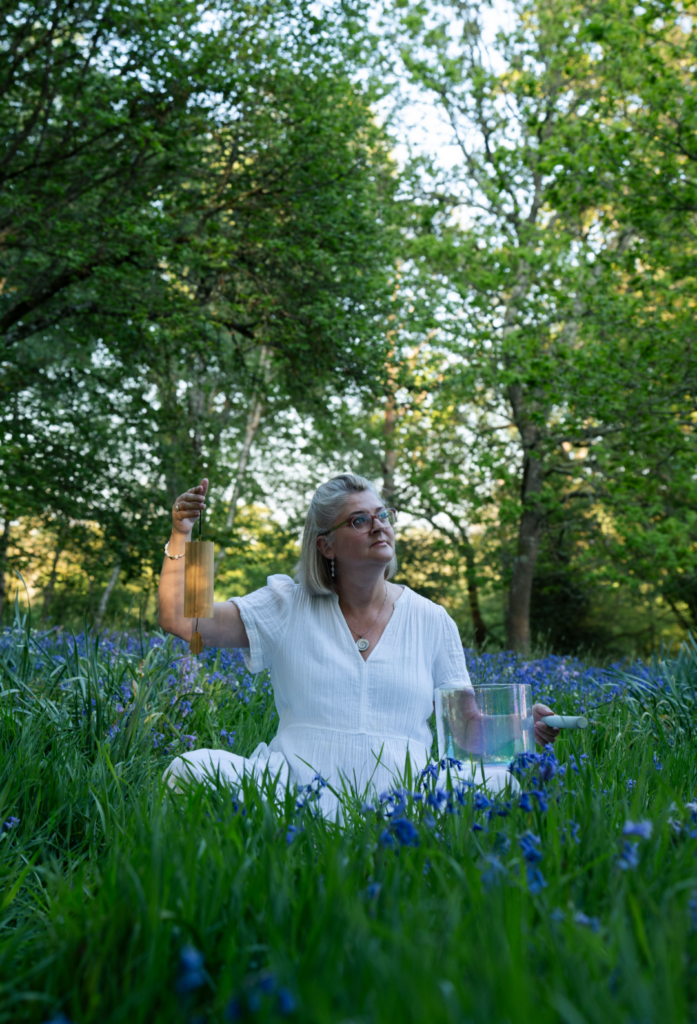
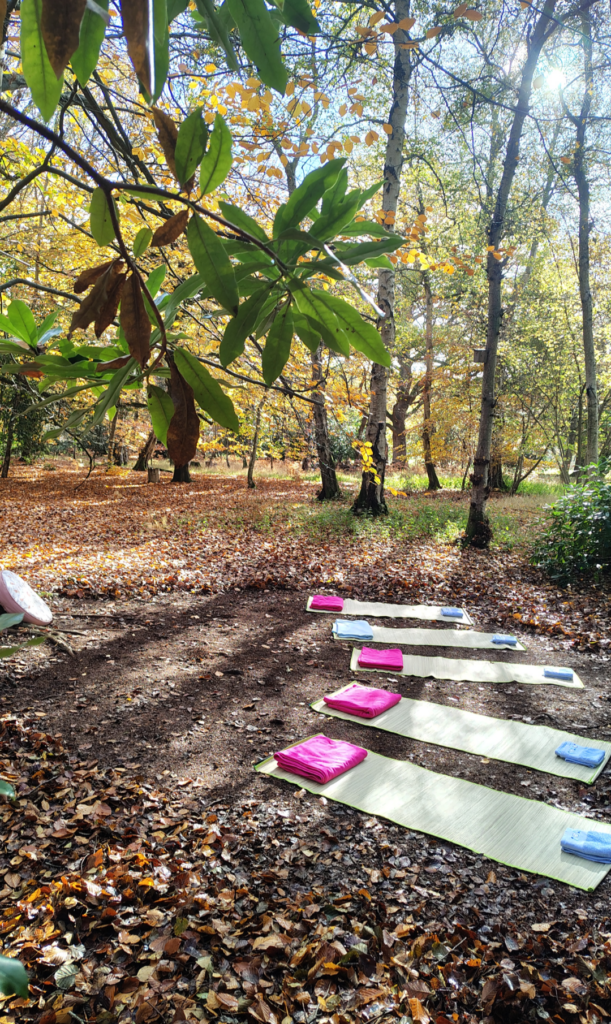
Those connections continue to flourish through collaborations with local organisations, including affordable Sound Bath evenings at St George’s Church in Wash Common, alongside charity tea afternoons and the popular “Fiver Friday” garden yoga sessions each summer. These £5 outdoor classes offer an accessible introduction to yoga while giving newcomers the chance to experience the unique setting.

Nature is at the heart of everything Treetops offers. Rather than following a rigid schedule, workshops and retreat days are shaped by the changing seasons and even the weather.

“If it’s a beautiful day, we’ll take yoga outside or head into the woods for forest bathing or mindful walking,” Emily explains. “Recently, we held a journalling workshop in the garden while the wisteria was in full bloom. We really embrace what each season offers.”

The woodland provides a peaceful backdrop for forest bathing experiences throughout the year, whether that’s soaking up fresh summer greenery or gathering around a fire pit during autumn. Even Treetops’ online yoga workshops have made full use of the stunning gardens as a natural setting.

As interest in health and wellbeing continues to grow, Emily believes people are increasingly seeking experiences rather than simply classes.

That distinctive atmosphere is what keeps visitors returning year after year. Some guests have been attending for more than two decades, travelling from Newbury, Reading, Wokingham, Marlborough, Winchester and Abingdon.

Asked what makes Treetops so special, Emily said: “Some people tell me it’s the food! I think it’s also the warm, friendly tutors we’ve built around us.”

Listening to visitors has always shaped the programme, with Emily and fellow tutor Rachel continually expanding their expertise to meet changing needs. Emily has recently added meditation to her qualifications alongside forest bathing and sound therapy, while Rachel has trained in Menopause Yoga.

For anyone feeling overwhelmed or burnt out, Emily recommends starting gently.

“We’ve supported many people experiencing anxiety, depression, burnout and chronic illness. Restorative Yoga is a lovely place to begin because it’s so gentle. Forest Bathing is another wonderful introduction — just two peaceful hours in nature. Once people feel ready, our monthly retreat days offer the chance to spend longer focusing on themselves.”

The journey of Treetops itself mirrors Emily’s own wellbeing story. When she launched the business in 2004, yoga wasn’t even on her radar.

“I had two young boys and wanted to create affordable creative workshops because so many courses were either too expensive or too far away. We offered everything from watercolours and flower arranging to photography, collage and cookery.”

As the years passed and Emily sought ways to support her own mental health, yoga and breathwork transformed her outlook.

“I realised it was time for Treetops to slow down too.”

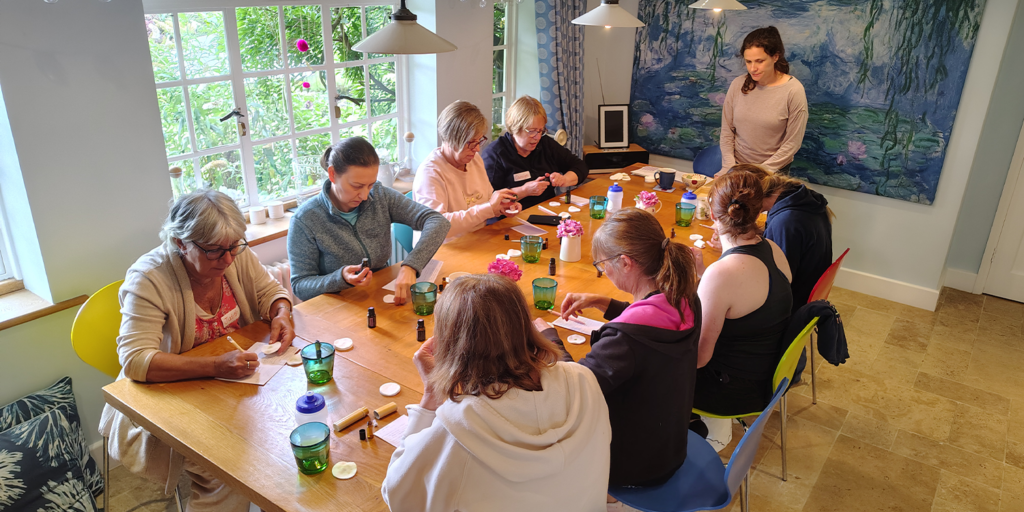
Rachel joined the business eight years ago after the pair met through yoga, and together they’ve expanded the offering to include sound baths, forest therapy, retreat days, evening classes and one-to-one sessions.

“It’s still hard work,” Emily says, “but taking part in what we offer benefits our own wellbeing as much as our guests’. We’ve found a lovely balance.”

Looking ahead, Emily hopes to continue evolving alongside the community’s needs while developing new partnerships. Current plans include working with local football teams and introducing crystal bowl sound healing at the Newbury Friends Together group at St Nicholas Church.

For anyone seeking a little calm without travelling far from home, Treetops offers exactly that: a peaceful haven where nature, mindfulness and community come together.

Supporting the local wellbeing community

Beyond Treetops, Emily is also keen to champion other local initiatives making a difference, from the Renartgades Market and Rebel Art Club at Delphic Brewery to Hayley Collis’ Grief Circles and the mental health charity Sport in Mind. Founded in Reading, the charity has supported more than 60,000 people over the past 15 years through sport and physical activity, with sessions running across Newbury, Thatcham and Reading.

For more information or to book, visit treetops-newbury.co.uk.

How one Aylesbury volunteer is changing conversations around men’s mental health

Zoe Gater

Mental Health

One simple question is changing conversations around men’s mental health – and one Aylesbury volunteer is helping men take that first difficult step.


“How are you?” It is one of the questions we ask every day. But for many men, the answer is often the same: “Fine.” “Not too bad.” “I’m alright.”

For Bucks teacher Steve, a volunteer captain for men’s mental health charity Talk Club, changing that conversation starts with adding three simple words: “Out of ten?”

“The number is personal to everyone,” Steve explains. “My eight might be somebody else’s five. But by giving ourselves a score, we stop and think about how we’re actually feeling in that moment.”

This simple idea lies at the heart of Talk Club, a men’s mental fitness and suicide prevention charity created after a group of friends lost someone close to them in 2014. They came together in the back room of a pub to talk, and from that moment a movement was born.

Today, Talk Club groups across the country provide a confidential, non-judgmental space where men can talk, listen and realise they are not alone.

Steve first became involved three years ago after looking for voluntary work. Already aware of Talk Club through one of its founders, he signed up to run the London Landmarks Half Marathon to raise money for the charity.

“Whilst I was there, someone planted the seed about becoming a captain,” he says. “It didn’t take very long for that to grow.”

Since then, Steve has run regular sessions in Aylesbury, including Talk & Listen meetings and Talk & Box sessions at Pegasus Gym, where men combine conversation with pad work and physical activity.

“It’s not punching each other!” Steve laughs. “But that burst of intense exercise can do wonders.”

Talk Club’s approach is proving powerful. On average, members leave a session with their scores rising by 15%. But Steve believes one of the greatest benefits is simply hearing other men’s stories.

“People realise they’re not the only one experiencing something difficult. There’s a huge comfort in knowing you’re not alone.”

The hardest step, he says, is often the first.

“For a lot of blokes, walking through the door is the biggest challenge. We’ve had people contact us and express interest but never quite make it inside. We understand how difficult that can be.”

The message from Steve is simple: there is no expectation to be vulnerable straight away – just come along and see what it’s about.

“We’re ordinary people,” he says. “The captains aren’t therapists or counsellors. We’re there to listen.”

Talk Club is always looking for more volunteer male captains to help bring sessions to communities across the country, while its free app allows anyone to check in with their own mental fitness.

Steve will also be at Live in the Park in Aylesbury on Saturday, 29th August, when visitors can meet him, find out more and learn how a simple question could start a life-changing conversation.

For more information, to find a local group or download the free app, visit talkclub.org.

You can also follow @talkclubaylesbury on Instagram or contact the team directly for more details.

Powerful psychological drama Duet for One comes to Oxford this May

Zoe Gater

Mental Health

A raw and intimate drama exploring identity, illness and resilience comes to the Old Fire Station from 27 to 31 May 2026.

What happens when the thing that defines you disappears? That question lies at the heart of Duet for One, arriving at the Old Fire Station this May.

This intimate and psychologically charged play follows Stephanie, a celebrated violinist forced to confront life after a life-altering diagnosis.

As her world begins to shift, Stephanie enters therapy. What unfolds is a series of intense, probing conversations that blur the boundaries between control, truth and self-discovery.

Set entirely within a consulting room, the production strips everything back to language, emotion and the subtle power dynamics between patient and therapist.

In a compelling twist, the role of Dr Feldmann is shared across the run by two actors – one younger, one older – creating nuanced shifts in authority and tone. The result is a production in which no two performances feel quite the same.

At its core is a deeply personal performance. The actor playing Stephanie, who lives in Watlington, draws on her own experience of chronic illness and past mental health struggles. That lived experience lends powerful authenticity to a story that explores loss, identity and resilience with honesty and care.

Thought-provoking, raw and quietly intense, Duet for One is theatre that asks difficult questions – and lingers long after the final line.

Performances run from 27 to 31 May 2026, with both evening and matinee shows available.

To book, visit the Old Fire Station website or call 01865 263990.

25 years of healing in nature: Karen Sutton on the impact of Root & Branch in Watchfield

Zoe Gater

Mental Health

Karen Sutton tells how Root & Branch in Watchfield helps people on their road to recovery towards mental and emotional wellbeing, using nature and a safe space.

Spring unfolds gently at Root & Branch, and with it comes something more than blossom and longer days.

Based at Westmill Farm near Watchfield, this much-loved charity marks its 25th year supporting adults living with complex mental health challenges – and there is no season more symbolic of its work than spring.

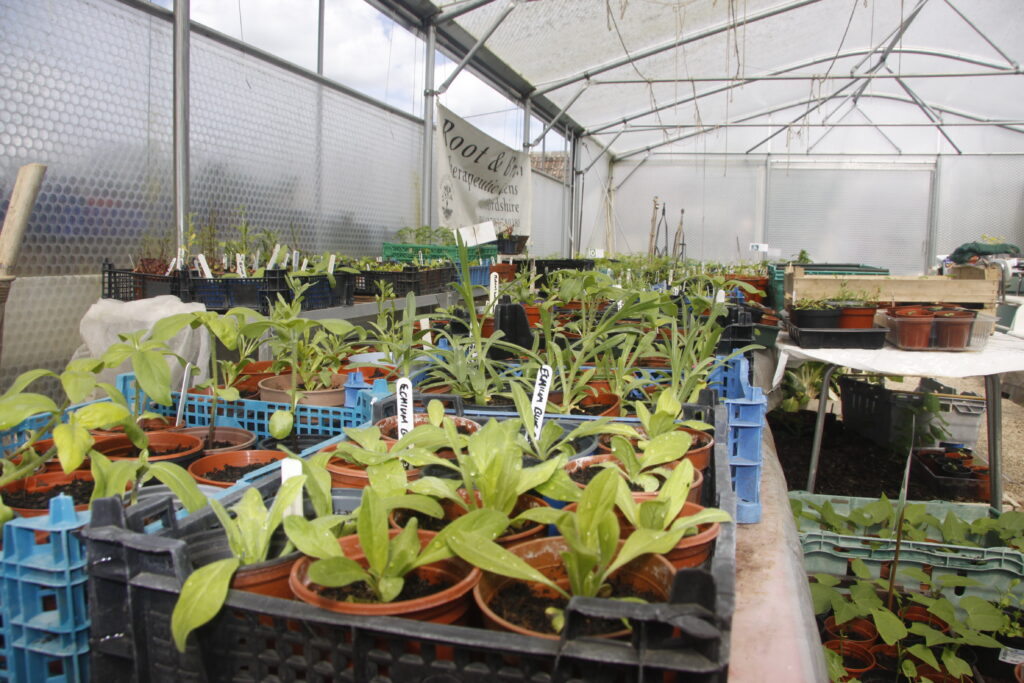
As seedlings push through in the polytunnel and colour returns to the beds, participants arrive each week to tend the land and, in many ways, themselves. Root & Branch offers therapeutic gardening alongside pottery, rural crafts, woodworking and cookery, all within a safe, welcoming, non-clinical environment.

Many plants are grown from seed as part of each individual’s recovery journey, offering purpose, routine and the quiet satisfaction of nurturing something into life.

“Being outdoors, working with nature and seeing things grow plays a powerful role in supporting wellbeing,” says Karen Sutton of Root & Branch.

“Spring is especially rewarding – there’s fresh planting, new growth and a real sense of possibility across the site.”

Gardening tasks are carefully adapted so everyone can take part, whatever their confidence or ability. The emphasis is not on perfection but participation – building confidence, connection and practical skills at a steady, supportive pace. Even Luna, the charity’s therapeutic dog, plays her part, offering comfort and companionship to those who would like it.

This year, as part of its 25th anniversary, Root & Branch continues to develop its therapeutic spaces to make them even more accessible. Improvements to pathways and the creation of quiet reflection areas are being delivered in phases, with ongoing fundraising needed to complete the full project.

The charity’s annual plant fayre takes place from 1.30pm to 4.30pm on Sunday 17th May and will be a highlight of the spring calendar.

Visitors can browse plants grown with care by participants, alongside handmade crafts created in workshops. Every purchase directly supports the charity’s work – and it’s a joyful opportunity for the wider community to step inside the garden and see its impact first-hand.

“What we most value here is the strong sense of community and access to countryside,” adds Karen. “If I could make one wish, it would be that mental health support is accessible, stigma-free and community-based, so everyone can find belonging when they need it.”

After 25 years, Root & Branch continues to prove that with patience, care and the right environment, growth is always possible.

Find out more at rootandbranch.info.

Explore West Oxfordshire’s vineyard and mental health recovery garden

Zoe Gater

Mental Health

Wander the walled garden and vineyard at Bridewell Gardens in West Oxfordshire, enjoy homegrown produce, and discover the mental health recovery work happening behind its ancient walls during its Open Days in 2026.

Tucked away in a peaceful corner of West Oxfordshire, behind ancient walls and rolling vineyard rows, Bridewell Gardens is preparing to welcome visitors once again for its Open Days in 2026.

Taking place from 11am to 4pm on Sunday 19 April, 17 May, 14 June and 6 September, these special days offer a rare chance to explore a beautiful working garden and vineyard while learning about the life-changing work that happens within its walls.

Bridewell Gardens is a mental health recovery service supporting people in West Oxfordshire who have experienced serious mental ill health. Set within a walled garden and vineyard at Wilcote, Bridewell provides a creative, compassionate environment where recovery is nurtured through gardening and working with nature.

As one former gardener puts it, Bridewell is “a small mental-health charity with muddy paths, patient people, growing things — and absolutely no pressure to pretend everything’s fine when it isn’t.”

Open Days invite visitors to wander freely through the walled garden, vineyard and surrounding spaces, discovering fruit, vegetables, flowers and vines grown as part of Bridewell’s day-to-day work.

Plants propagated on site will be available to buy, alongside home-produced jams and chutneys and Bridewell’s acclaimed organic sparkling wine, made from grapes grown right there in the vineyard.

A pop-up café will be serving tea and cake, while those keen to linger are encouraged to bring a picnic blanket and relax among the vines. Families and children are welcome to explore, spot dragonflies by the pond, and count the chickens roaming the vineyard, while dogs on leads are also very welcome.

Open Days are not just about enjoying a beautiful place. They offer an opportunity to meet Bridewell staff and volunteers, hear about the recovery service, and understand how working outdoors can help people rebuild confidence, develop skills and reconnect with their community.

For many, Bridewell provides structure, kindness and hope at a time when it is most needed. As one participant reflects: “Bridewell has been my parachute. It got me out of the house, gave me routine, and helped me find confidence again.”

Entrance is by suggested donation of £5 per person, with no booking required.

‘We are stronger together’ – how one Surrey charity is supporting children facing mental health challenges

Zoe Gater

Mental Health

The Bee-lieve Foundation is supporting children in north west Surrey facing mental health challenges – and Laura Butler tells us more about its work.

The nation is facing a growing mental health crisis, with young people among the hardest hit.

Over half a million children and young people are currently on waiting lists for support, often struggling long before help becomes available.

Launched in July 2020, Bee-lieve Foundation is a registered UK charity dedicated to improving the emotional well-being and mental health of young people and their families.

The charity’s work is rooted in prevention, early intervention, and the belief that strong, connected communities can make a lasting difference.

Their vision: A future where children and young people are empowered to achieve positive emotional well-being and mental health.

Their mission: To educate and empower young people with the knowledge, skills and strategies they need to navigate today’s world with resilience and confidence, helping to prevent difficulties from escalating and enabling them to thrive, not just survive.

Bee-lieve works closely with schools, clubs, parents and professional partners to deliver teaching programmes, whole-staff training, early-intervention therapies and workshops.

By breaking down barriers and challenging stigma through open conversation, they help ensure young people feel confident seeking support when they need it most.

One of their most important initiatives is ‘Make a Difference for Molly’, a flagship programme for 2026.

Created in memory of Molly, a much-loved young woman who tragically took her own life in 2023, aged just 21, the project is at the heart of everything they do.

“Molly was funny, kind and creative, lighting up every room she entered, yet she struggled with her mental health for many years. Her legacy drives our determination to ensure other families don’t face the same heartbreak.”

‘The Molly Project’ brings schools, families and communities together to create safe, supportive spaces where young people feel seen, heard and valued.

The pilot programme across Woking and northwest Surrey is already supporting over 450 school staff and more than 4,000 young people and their families.

As a not-for-profit organisation, their work relies entirely on the generosity of the wider community. Donations of any size make a real difference.

In 2026, Bee-lieve will once again take part in the Woking Lions Martian Race on June 21st – to run for Team Bee-lieve sign up at: go.wokinglions.org.uk/bee-lieve.

“Bee-lieve isn’t just a name, it’s our story, our symbol and our promise to future generations.”

Find out more at beelievefoundation.co.uk

Dr Scott Miller on unconditional love, lifelong care and why pets make us better humans

Round & About

Mental Health

For the Round & About pets special, we sit down with Australian-born, British veterinary surgeon Dr Scott Miller, widely recognised for his appearances on This Morning, to talk about the extraordinary role animals play in our lives.

Pets rarely make a grand entrance, but they make real and lasting impressions. They sit with us in silence, celebrate us like heroes and love us without conditions or questions.

For Dr Scott Miller, one of the UK’s best-known veterinary surgeons, it’s this quiet constancy that sets animals apart from humans.

“Unconditional love,” he says simply. “Whether you are in a good or bad mood, looking dishevelled or a million dollars, our pets don’t judge us; they love us for our flaws and make us feel special and loved.”

That bond often begins early. Scott’s own childhood was shaped by an intense fascination with animals of all kinds.

“I always was obsessed by animals,” he recalls. “Caring for local wildlife as well as neighbourhood cats and dogs – whether they needed it or not.”

From those early instincts came clarity: animals weren’t just an interest, they were a vocation. “From a very early age I realised that I wanted to work with them as a life’s calling.”

Today, Scott is a passionate advocate for the role that pets play in supporting our mental and physical health, particularly as we age.

Companionship, he explains, is only part of the picture. “Feeling responsible for something is incredibly important to keeping people active, sociable and vibrant,” he says.

“Pets give structure to our days and meaning to routines as well as good reasons to get up, get out, and keep connected.”

They also help us connect outwardly. “A pet not only provides us with company, but they help us bridge the gap with others,” Scott explains, opening up conversations with neighbours, friends and even strangers. Whether it’s chatting on a dog walk, swapping stories at the vet, or sharing photos while a pet is away in kennels, animals quietly strengthen our social fabric.

While dogs tend to dominate the pet conversation, Scott is keen to broaden the picture. “Absolutely,” he says, when asked whether smaller or less traditional pets can be just as rewarding.

Cats, he notes, are wonderful indoor companions, rats are “super intelligent” and birds are “nature’s comedians”, offering entertainment, companionship and even the ability to learn tricks and speech. The key is not prestige or popularity, but fit.

“Overwhelmingly, pets are proven to improve quality of life – but only when they suit the owner’s lifestyle.”

That honesty underpins Scott’s advice for prospective pet owners. “Do your research,” he stresses. The real cost of a pet extends far beyond the initial purchase, encompassing feeding, healthcare, maintenance and, crucially, care during holidays or working life, including kennels, catteries or trusted sitters.

Understanding the long-term commitment, and each species’ specific needs, is essential to offering what Scott calls “a home for life”.

As pets age alongside us, these responsibilities deepen. Like humans, animals slow down, developing joint issues, hearing loss or vision problems. One common mistake, Scott says, is reducing vet visits to avoid stress.

“Actually it’s when pets need us most. Regular checks help catch subtle changes early, improving comfort and preserving dignity in later years.”

Loss, inevitably, is part of loving animals – and often a child’s first experience of grief. Scott speaks openly about bereavement, urging owners not to minimise their pain.

“The loss of a beloved pet can have a profound impact,” he says.

His advice is compassionate and practical: don’t be ashamed of how you feel, talk to fellow animal-lovers and don’t rush into welcoming another pet. When the time’s right, he suggests, it’s not about replacement, but giving love – and a home – to another animal who needs one.

Scott’s career has spanned everything from family pets to truly extraordinary cases.

He has treated flat-faced dogs with life-changing BOAS surgery, repaired the fractured leg of a four-week-old kitten named Delilah, performed conscious surgery on a chicken – complete with a bespoke “chicken bra” – and worked with wildlife across the globe, from elephants in Kenya to koalas injured in bushfires.

Horses, too, hold a special place. “Powerful, graceful, beautiful and gentle,” he says. While equine vets typically specialise exclusively, Scott is always happy to help when a local pony or retired racehorse needs care.

Looking to the future, Scott hopes to establish veterinary hospitals to reduce costs for rescue charities, a reflection of his belief that humans are custodians of all species.

“Animals are a gift to the world,” he says, “and caring for them, in all their forms, remains one of the most meaningful responsibilities we can take on.”

Supporting young people’s mental health  

Round & About

Mental Health

What’s in your kid’s emotional backpack? Occupational psychologist & coach Dr Amy Redmond & hypnotherapist & NLP practitioner Ami Ford give parents some prompts inspired by their Aha Journals 

If you’re a parent, you’ve probably felt it: the joy of watching your child grow, mixed with the quiet worry of knowing life, especially school life, can be hard. 

Yes, school is about learning the traditional lessons – maths, science and English. But it’s also where kids face tougher, less visible lessons: friendship fallouts, social comparison, pressure to perform, and the painful tension between wanting to stand out and needing to fit in. 

So how can we tell when our kids are struggling? 

The backpack they carry isn’t always visible 

Imagine your child’s emotions like a backpack. Each morning, they fill it, maybe with excitement, curiosity, and confidence. But sometimes, hidden inside, are heavier loads: anxiety, loneliness, fear, stress. When the emotional backpack gets too full, it can weigh them down in ways they may not know how to express. 

Younger children might become clingier, avoid school, or overreact to small frustrations. Tweens and teens may withdraw, become fixated on achievements, take more risks, or seem unusually low or irritable. These signs don’t always signal a crisis,  but they’re worth paying attention to. 

How to support them 

Help them connect with their emotions  

As our kids grow, their emotional needs shift. Comfort evolves from distraction (a cuddle or new toy) to connection. What they need most is to feel seen and heard; not corrected or rushed toward a solution. 

Start by listening without judgement. Resist the urge to say, “You’ll be fine,” or “It’s no big deal.” Instead, try: “That sounds really hard. I’m glad you told me.” Simple words of validation go a long way toward building emotional safety. 

Encouraging children to name the weight they are carrying and having important conversations around their emotions can make it easier for them to understand , talk about and generally work through. 

Helping children to learn how to reframe their challenges can be powerful in teaching them that the way we speak to ourselves shapes how we feel. As well as the above phrases, introduce them to phrases like: “It feels tricky now, but I’m building courage everyday,” or “Every time I try something new, my brain gets stronger”. This can help your child rewrite their inner dialogue in supportive ways.  

Let conversations flow naturally 

Remember that the best conversations are rarely forced. They flow naturally,  side-by-side –  while walking, driving, or doing something together. Create those quiet, low-pressure moments where kids feel free to talk, or not talk, on their own terms. 

Teach them the power of anchoring 

A lovely NLP (Neuro Linguistic Programming) technique that is simple to use and can help children, and adults too, to access positive emotional states quickly when they need it the most, is ‘Anchoring’.  

You could introduce your child to an emotional ‘anchor’ where they can use small gestures or phrases that they can link to feelings of calm or confidence. An example is, gently pressing their index finger and thumb together while saying “I’ve got this” while thinking of a time where they felt these positive emotions in the past. This can become a great grounding tool during stressful moments. All children, even teens and adults, love this one, especially how no one will know they are doing it – it’s like a “secret button of power!” 

Journaling can help kids make sense of their feelings 

Writing can be a powerful outlet for kids, especially tweens and teens. A journal helps them give shape to their emotions, understand their triggers, and build habits that support emotional resilience. 

Guided tools such as The Aha Journal are especially helpful; designed to meet kids where they are, in a language and structure they can relate to. 

Encouraging children to do sensory journaling using NLP Principles, such as: what colour is this feeling? Where do I feel it in my body? If this feeling had a sound, what would it be? Can prompt children to gain a deeper emotional awareness of themselves and describe their experience more vividly.   

Trust your instincts 

You know your child better than anyone. If something feels off, don’t wait. Talk to their teacher or school counsellor. Seek professional support if needed. 

The earlier we step in, the more gently we can guide them through. 

Day to day, the most powerful thing we can offer isn’t perfect advice – it’s presence. To become the person our child feels safe turning to, no matter what’s in their emotional backpack.