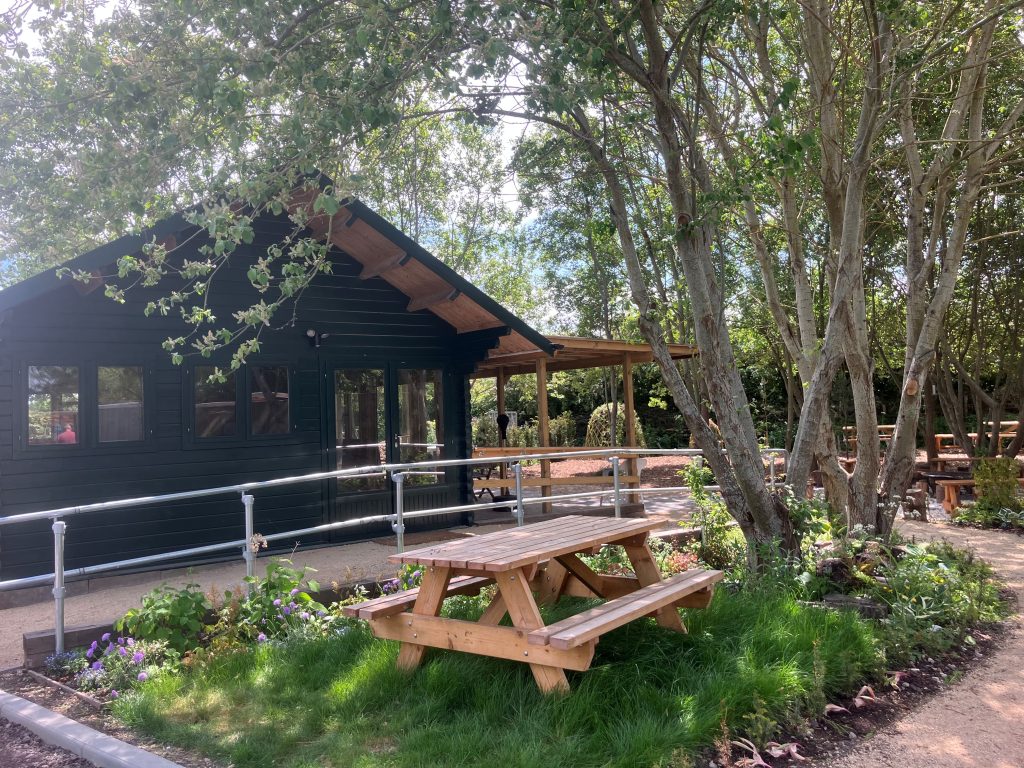
Karen Sutton tells how Root & Branch in Watchfield helps people on their road to recovery towards mental and emotional wellbeing, using nature and a safe space.
Spring unfolds gently at Root & Branch, and with it comes something more than blossom and longer days.
Based at Westmill Farm near Watchfield, this much-loved charity marks its 25th year supporting adults living with complex mental health challenges – and there is no season more symbolic of its work than spring.
As seedlings push through in the polytunnel and colour returns to the beds, participants arrive each week to tend the land and, in many ways, themselves. Root & Branch offers therapeutic gardening alongside pottery, rural crafts, woodworking and cookery, all within a safe, welcoming, non-clinical environment.
Many plants are grown from seed as part of each individual’s recovery journey, offering purpose, routine and the quiet satisfaction of nurturing something into life.
“Being outdoors, working with nature and seeing things grow plays a powerful role in supporting wellbeing,” says Karen Sutton of Root & Branch.
“Spring is especially rewarding – there’s fresh planting, new growth and a real sense of possibility across the site.”
Gardening tasks are carefully adapted so everyone can take part, whatever their confidence or ability. The emphasis is not on perfection but participation – building confidence, connection and practical skills at a steady, supportive pace. Even Luna, the charity’s therapeutic dog, plays her part, offering comfort and companionship to those who would like it.
This year, as part of its 25th anniversary, Root & Branch continues to develop its therapeutic spaces to make them even more accessible. Improvements to pathways and the creation of quiet reflection areas are being delivered in phases, with ongoing fundraising needed to complete the full project.
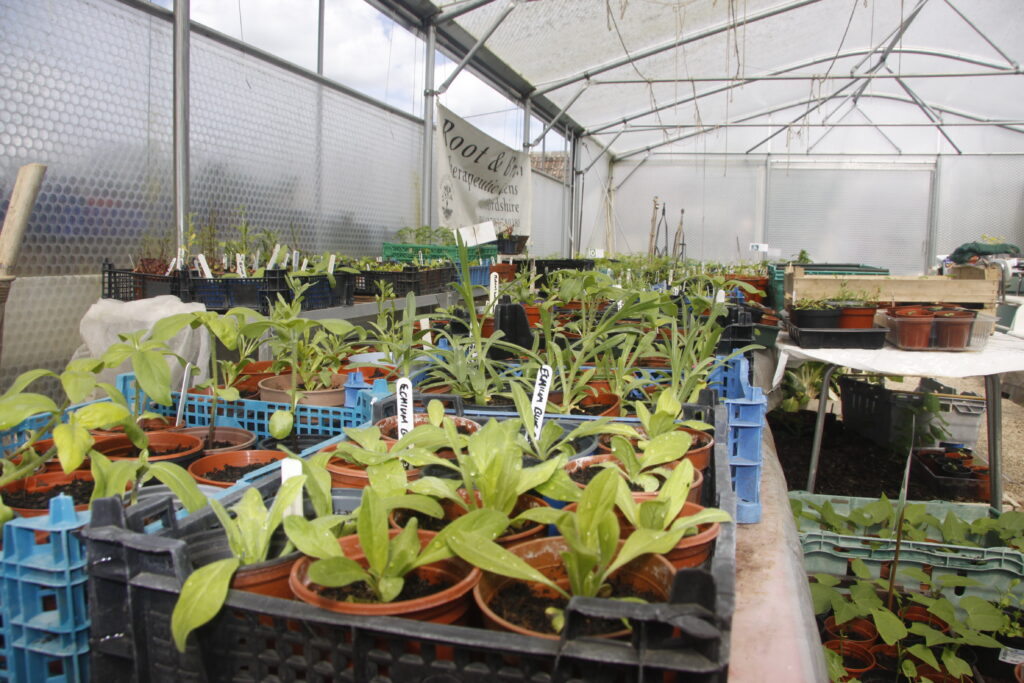
The charity’s annual plant fayre takes place from 1.30pm to 4.30pm on Sunday 17th May and will be a highlight of the spring calendar.
Visitors can browse plants grown with care by participants, alongside handmade crafts created in workshops. Every purchase directly supports the charity’s work – and it’s a joyful opportunity for the wider community to step inside the garden and see its impact first-hand.
“What we most value here is the strong sense of community and access to countryside,” adds Karen. “If I could make one wish, it would be that mental health support is accessible, stigma-free and community-based, so everyone can find belonging when they need it.”
After 25 years, Root & Branch continues to prove that with patience, care and the right environment, growth is always possible.
Find out more at rootandbranch.info.