Greenham Commons has gone from military base to wildlife sanctuary. Join them as they mark a special anniversary with unique performances on September 13th & 14th
Celebrate 25 Years at the Greenham Common Arts Festival
Take a journey across Greenham Common at the Greenham Common arts festival. Here, aerial circus, dance, street theatre, and music bring the site’s rich history to life. This festival marks 25 years since the common returned to public ownership. It celebrates its transformation from a military base to a wildlife sanctuary and a peace protest site. Visitors can explore the unique stories that make Greenham Common so special.
Outdoor Performances at the Greenham Common Arts Festival
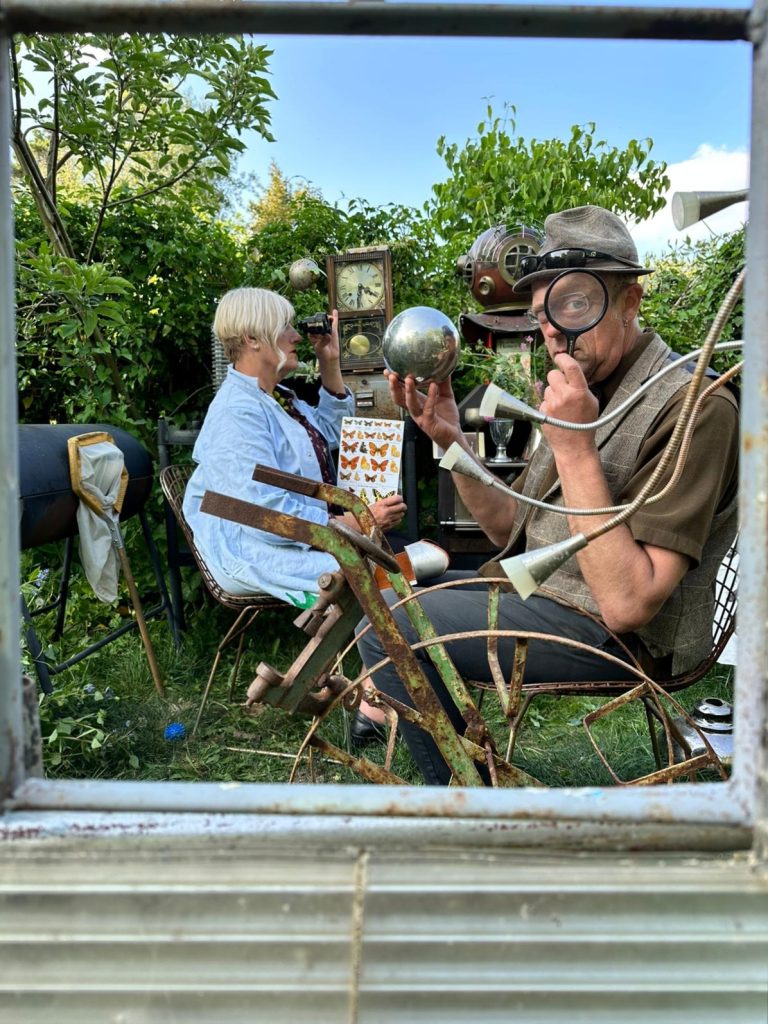
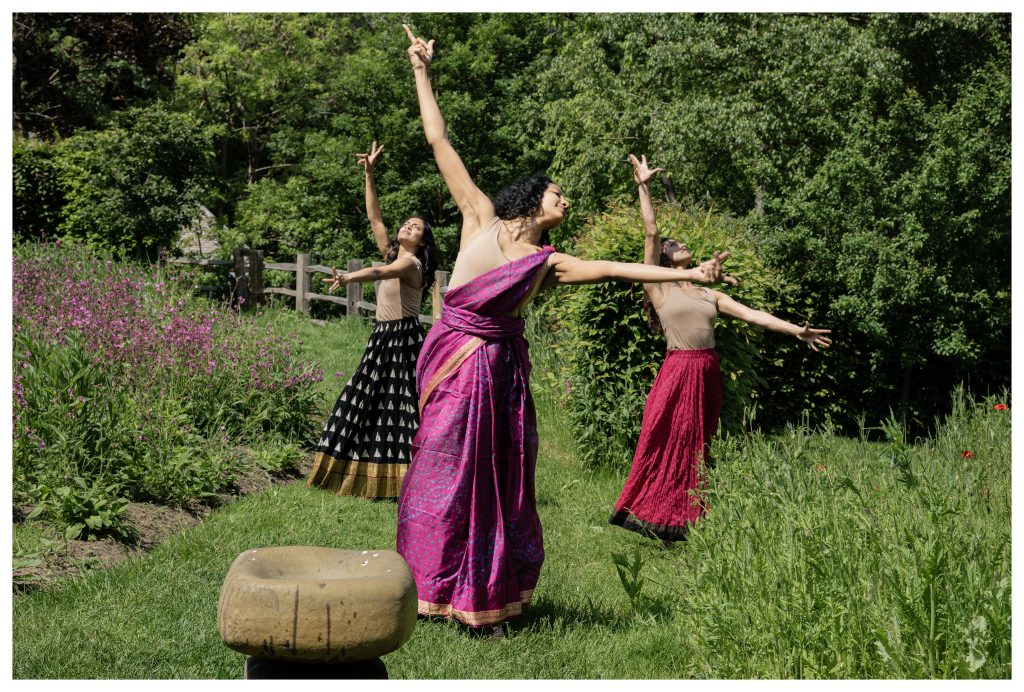
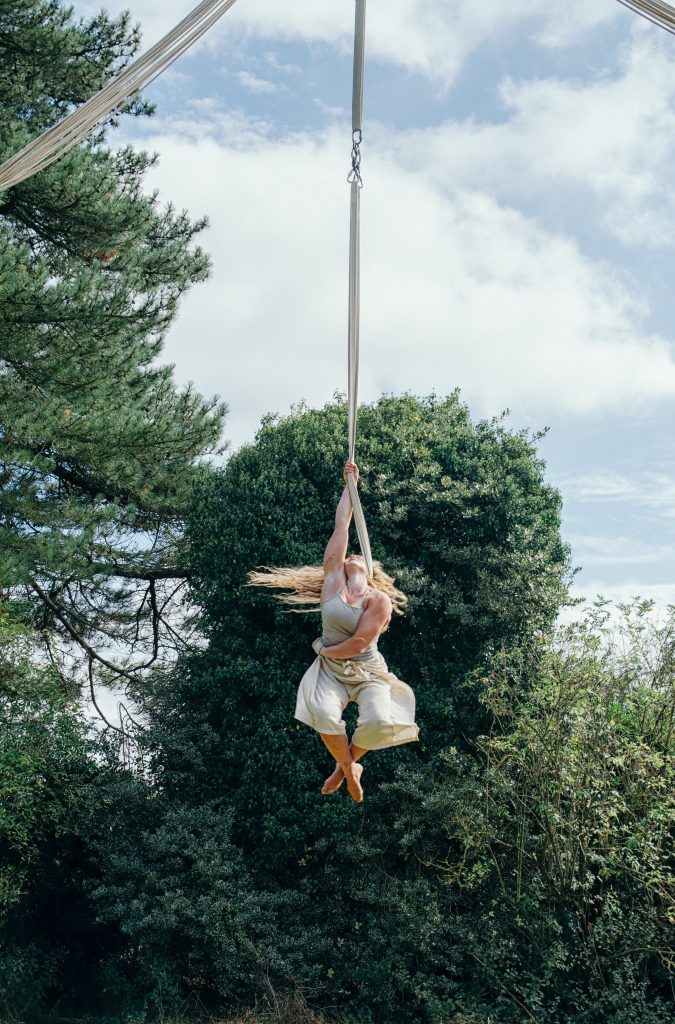
During the two-day Greenham Common arts festival, enjoy captivating performances throughout the site. Highlights include Nandita Shankardass’ Roots to Rise and the Gossamer Thread Circus with Becoming FERAL. You can also see works commissioned by 101 Outdoor Arts. Furthermore, meet characters like Adderlaide, the spirit of the common, and Heath and Heather Robinson in The Common Room. Plus, experience the magical storytelling walk Common and folk songs inspired by the resilience of peace camp protesters.
These performances offer a unique blend of history, art, and community spirit, inviting everyone to engage with Greenham Common’s past and present.
D1
Arts & Crafts Celebration at Greenham Common
The festival also features the Festival of Arts & Crafts at The Base from September 13th to 27th. It begins with a two-day arts and crafts fair showcasing over 50 local stalls. Visitors can join creative workshops and explore an exhibition of local artists’ work. This is perfect for anyone wanting to bring home original art from the Greenham Common arts festival. The atmosphere is vibrant, lively, and perfect for families and art lovers alike.
Start your festival adventure at Venture West in Greenham Business Park. Enjoy a vibrant celebration of community, history, and creativity at the Greenham Common arts festival — a must-visit event this September.
Families are welcome to learn about local life 1,200 years ago thanks to a dig at Cookham Abbey between 16th July & 9th August.
Cookham Monastery Excavation Reveals Anglo-Saxon History
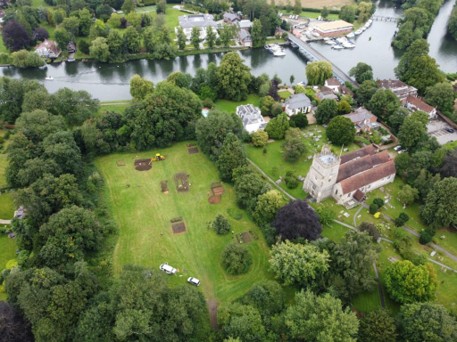
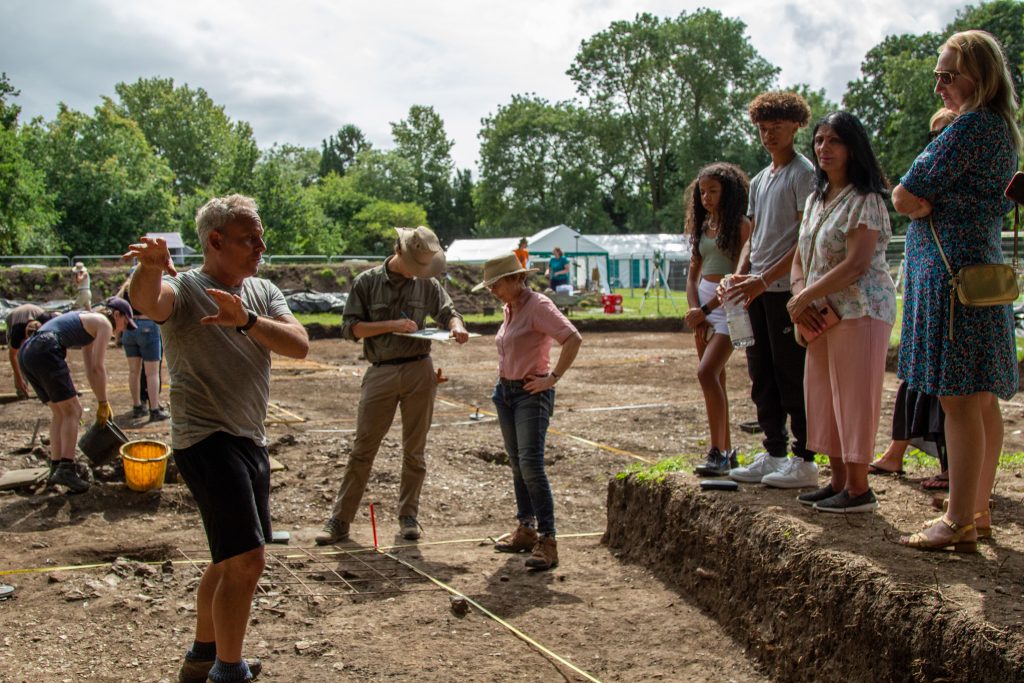
Archaeologists have returned to continue the Cookham monastery excavation this summer, aiming to uncover more about life, death, and care at this rare Anglo-Saxon site. Located on land owned by Holy Trinity Church in Cookham, the monastery dates back to the 8th and 9th centuries. The well-preserved site first came to light in 2021, discovered by the University of Reading’s Archaeology Department.
Discoveries from the Cookham Monastery Excavation
The Cookham monastery excavation focuses on a site led by Queen Cynethryth, who ruled Mercia alongside her husband, King Offa, in the late 8th century. This monastery was part of a network of more than 20 similar sites along the Thames River during the Anglo-Saxon era. Professor Gabor Thomas, heading the excavation, highlights the site’s national importance based on recent finds.
So far, the team has uncovered several key features during the Cookham monastery excavation:
A cemetery holding remains of over 50 individuals across three generations, many showing signs of illness and poor health.
A large timber building believed to be a central communal hall of the monastery.
A well with a wooden barrel-lined shaft preserving wooden artifacts.
A possible watermill located near the modern Thames course.
Visiting the Cookham Monastery Excavation This Summer
Between July 16th and August 9th, the public can visit the ongoing Cookham monastery excavation. Friends of Cookham Abbey offer tours with tickets available on TicketSource.co.uk. To learn more, check the Friends of Cookham Abbey website or join their Facebook group.
Local schools will also have a rare opportunity to visit between July 16th and 22nd. Teachers interested in booking a visit can email sarah.parfitt@cookhamabbey.org.uk. Starting in October, the Friends of Cookham Abbey engagement team will run school workshops, with bookings opening soon.
Visitors are encouraged to combine their Cookham monastery excavation tour with a visit to Holy Trinity Church, which succeeded the Anglo-Saxon monastery. The church contains parts dating back to the 1140s. Nearby, the Stanley Spencer Gallery offers another cultural highlight. After exploring the site, enjoy a stroll along the Thames, have a picnic, or visit the many local cafes and restaurants.
Make a day of your visit and experience the rich history uncovered by the Cookham monastery excavation.
Soldiers of Oxfordshire Museum in Woodstock will host a First World War Family Day on Saturday, 2nd November, in tribute to the 110th anniversary of the start of the Great War
Visitors of all ages are invited to immerse themselves in history with living history displays and interactive galleries.
You’ll also find First World War-themed family workshops and craft activities, pop-ups from other museums, historians and heritage organisations. The museum team will gratefully accept donations of records and objects with local Great War stories.
The family day, 12-5pm on Saturday, 2nd November, marks 110 years since the outbreak of the Great War, while the county military museum also celebrates 10 years since it first opened.
The event aims to commemorate this and help families discover more about Oxfordshire’s contribution to events that changed the world and the stories of local people caught up in them.
First World War activities will be open to all the family, with an illustration workshop focused on wartime animals, and an opportunity to make your own Princess Mary tin, like those gifted to soldiers from Christmas 1914.
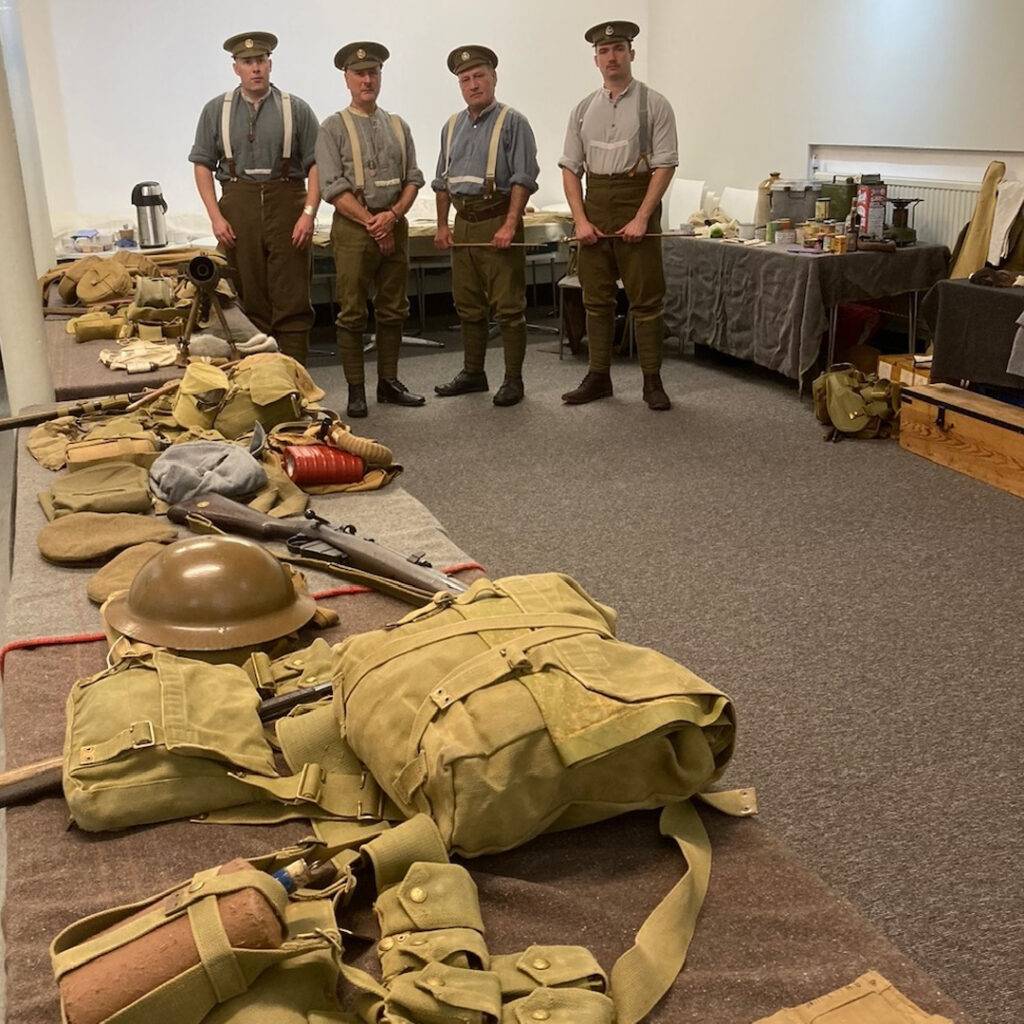
During the event, the museum’s galleries will be open alongside a range of WW1 living history displays to help immerse visitors in the period. The Great War Society, Britain’s longest-running First World War living history group, will portray soldiers from the county regiment (The Oxfordshire & Buckinghamshire Light Infantry) throughout different stages of the conflict. Those dropping in will also see interpretations on the ‘War to End All Wars’.
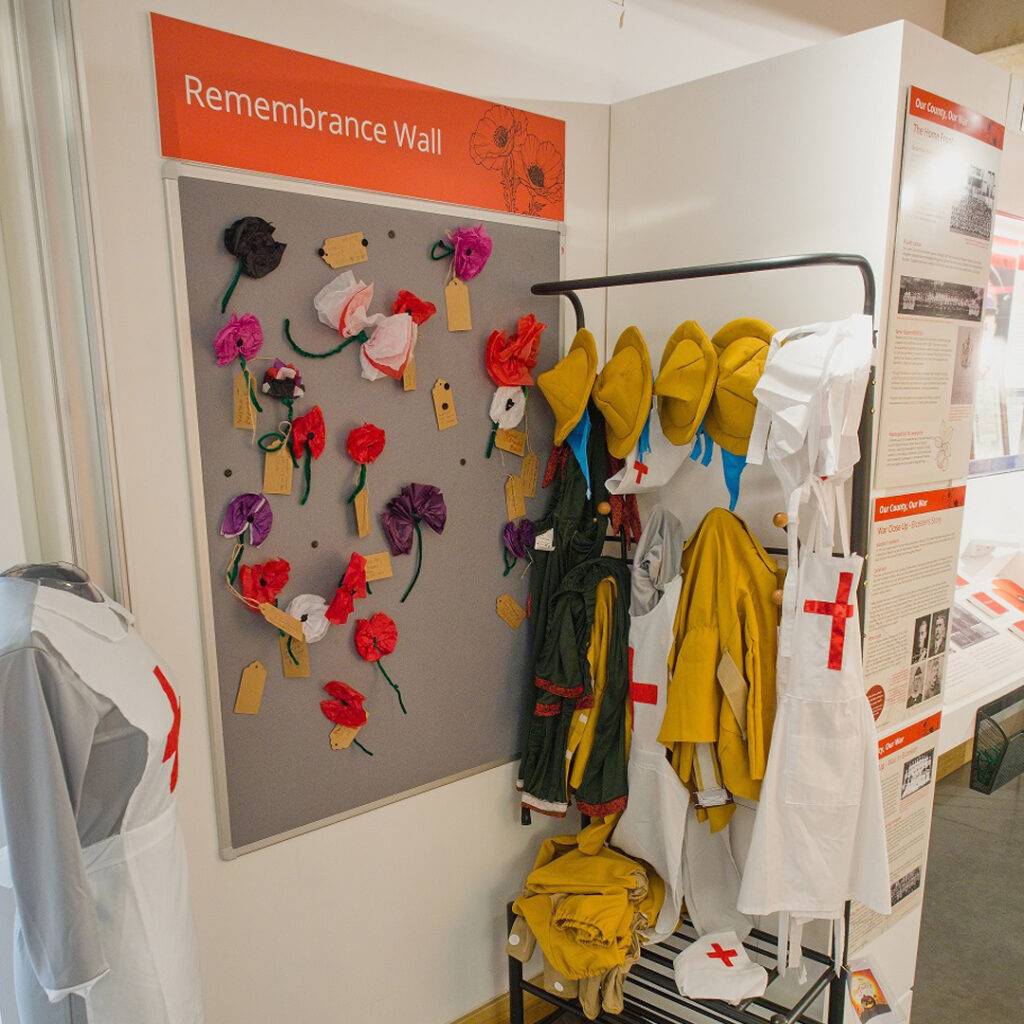
The museum’s permanent displays cover some of the many different fronts on which the war was fought, from the western front to Mesopotamia (now Iraq), while a recreated trench dugout offers visitors a chance to walk through history, with equipment and clothing for families to handle and even try on.
Alongside living history, there will be opportunities to find out more about local and family history with a number of displays from other museums and heritage organisations, including the Western Front Association, Chipping Norton Museum, Soldiers of Gloucestershire Museum, and the Royal Army Chaplains’ Museum. Great War historian and author Helen Frost will be prompting her new book Voices from the Great War: Women’s Land Army, with signed copies available, alongside a fascinating display of Land Girls’ uniforms and photographs to help tell their often-overlooked First World War story.
Those with a family story from the First World War and objects to share will find museum staff and volunteers on hand to discuss these and accept donations to the museum’s collections, preserving Oxfordshire’s military heritage for future generations. The museum is particularly interested in objects from the First World War with a person or story associated with them that ties to the county itself, or one of the county’s regiments, The Oxfordshire & Buckinghamshire Light Infantry or Oxfordshire Yeomanry.
During the First World War Family Day the museum will not charge its standard admission prices for entry, instead visitors will be encouraged to pay what they can as entry will be by donation. All proceeds will be support the museum’s 10th anniversary fundraising campaign, helping to ensure the museum can continue to look after and expand its collections while preserving and sharing Oxfordshire’s military and wartime stories.
Blenheim Palace, just a short walk from Soldiers of Oxfordshire Museum, is kindly supporting this event providing additional car parking for visitors on their site throughout.
Wittenham Clumps finds on display at Festival of Discovery on February 17th & 18th at Earth Trust
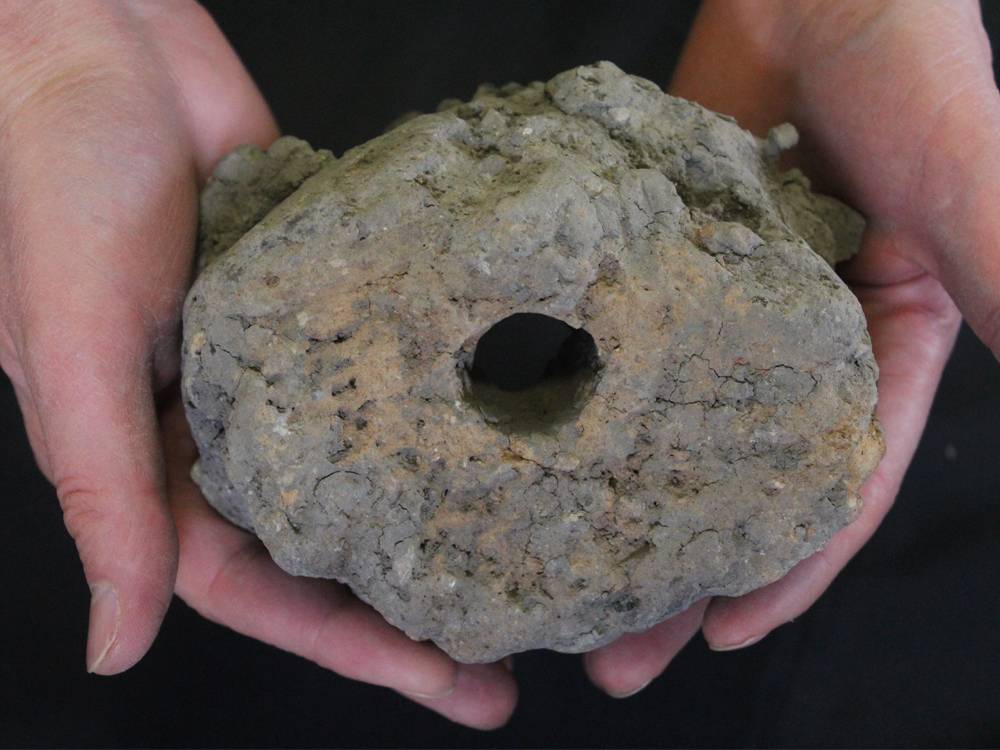
Archaeologists have unearthed an exceptionally rare Iron Age blacksmith’s workshop in South Oxfordshire, dating back nearly 2,700 years to the earliest days of ironworking in Britain. The discoveries were made by archaeologists from DigVentures during excavations at the Earth Trust, near Abingdon. Just downslope from the iconic Wittenham Clumps, the dig revealed a smithy containing artefacts like pieces of hearth lining, hammerscale, iron bar, and the exceptionally rare discovery of an intact tuyere – evidence of a serious ironworking operation.
“At Earth Trust, we’re thrilled whenever discoveries at Wittenham Clumps shine a light on the deep history of human activity in this area,” said Anna Wilson, Head of Experience and Engagement. “Nearly 10,000 artefacts were recovered during the dig, and as we continue to analyse them, the story gets more and more captivating. These new discoveries are literally forging new history before our very eyes and revealing more of the ancient mysteries behind this very special place – we can’t wait to share more through our upcoming Festival of Discovery.”
Photo Credit: Digventures
Festival of Discovery
The key finds will be on display February 17th-18th, during a special Festival of Discovery at the Earth Trust Visitor Centre. The festival includes talks from the archaeologists, hands-on workshops with the archaeologists, and a free pop-up exhibition showcasing artefacts like the tuyere and rare small finds. Visitors will have an exclusive chance to see the discoveries up-close and learn more about the skills of these early Oxfordshire craftsmen. Tickets and more information are available at earthtrust.org.uk/whats-on.
Ancient Blacksmiths of the Clumps
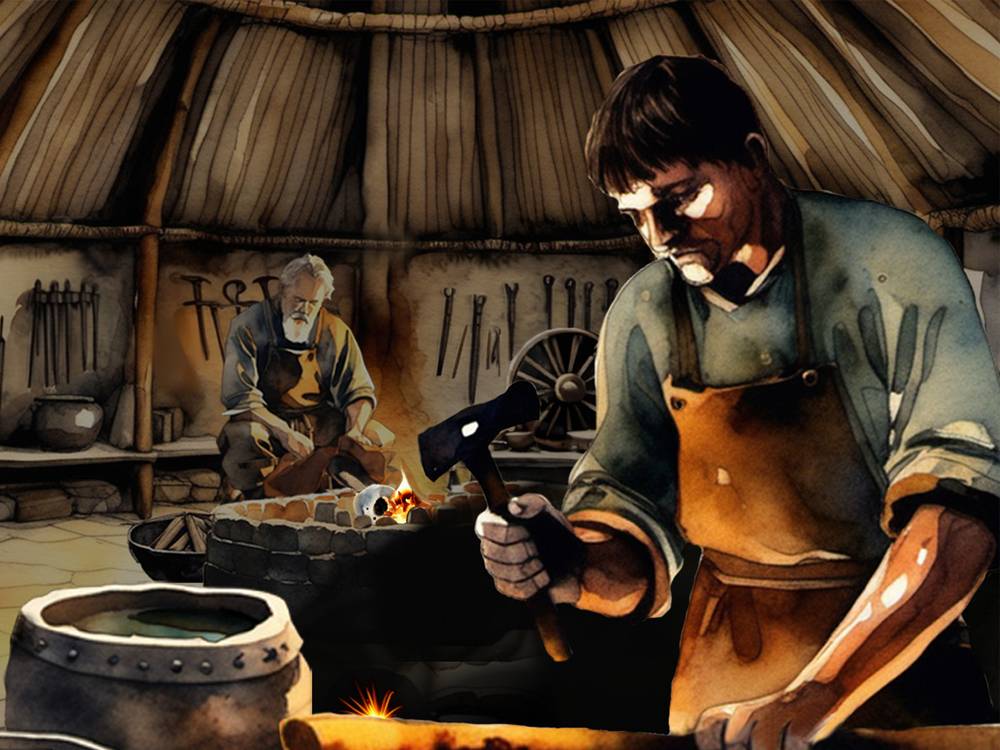
Radiocarbon dating reveals the smithy dates from 771-515 BC, soon after ironworking first arrived in Britain around 800 BC. The size of the hearth suggests this was no ordinary village blacksmith, but rather the workshop of an ‘elite’ or ‘master’ ironworker producing swords, tools, wagon wheels, and other high-value objects.
“It’s exceptionally rare to find a complete tuyere, especially one that’s as old as this. Although there are examples from later periods, including Saxon, Viking-age, and medieval pieces, this is one of the only known Iron Age ones in the country, if not Europe. The fact that it dates not just to the Iron Age, but to the first few centuries of ironworking in Britain, is remarkable” said Gerry McDonnell, the archaeometallurgical specialist who examined the finds.
“What’s more, the size of it suggests we’re looking at a hearth that was much larger and more specialised than that of your average village smithy” he continued.
The vast majority of artefacts produced in the Iron Age weren’t very big and could be produced with quite a small hearth, while larger hearths would have taken much more skill and resources to control, said the researchers. “The only reason a blacksmith would need a bigger hearth would be if they were forging something long like swords or trade bars, or big, like cart wheels. And these wouldn’t be done by your average village smithy who would normally take care of everyday objects and repairs. “The fact that this early Iron Age smithy had a specialist tuyere shows us this was much more likely to have been a serious operation by a highly skilled, elite, or master blacksmith” McDonnell concluded.
Even though the Iron Age takes its name from the mastery of this metal, sites that provide us with direct evidence of how they did this – especially ones from such an early period – are extremely scarce.
“It’s always exciting to uncover the remains of ancient buildings that were occupied thousands of years ago, but it’s even more special when we find such direct evidence of who lived there and what they were doing inside,” said Nat Jackson, DigVentures Site Director, who led the excavation.
“In this case, the range of evidence is remarkable. We’ve got almost every component of the blacksmith’s workshop; the building, internal structures, hearth lining, tuyere, even the tiny bits of metal that fly off when the blacksmith is hammering the metal. The only thing we haven’t found is the tools. “It’s an incredible thrill to uncover something like this. It basically allows us to peer back in time and see what could have been one of Britain’s earliest master blacksmiths at work,” he added.
Excavations also revealed an Iron Age settlement including a cluster of roundhouses, an Iron Age pantry, and evidence of ceremonial or ritual activity including animal burials, as well as a later Roman villa where archaeologists found the remains of a tiny Roman pet dog.
Local residents now have an exclusive opportunity to view these finds first-hand and learn more about Oxfordshire’s ancient ironworking heritage at February’s Festival of Discovery.
Enjoy walk, foraging, local & literary history, cream tea, garden tours and more as part of Chilterns Walking Festival, 15th-30th October.
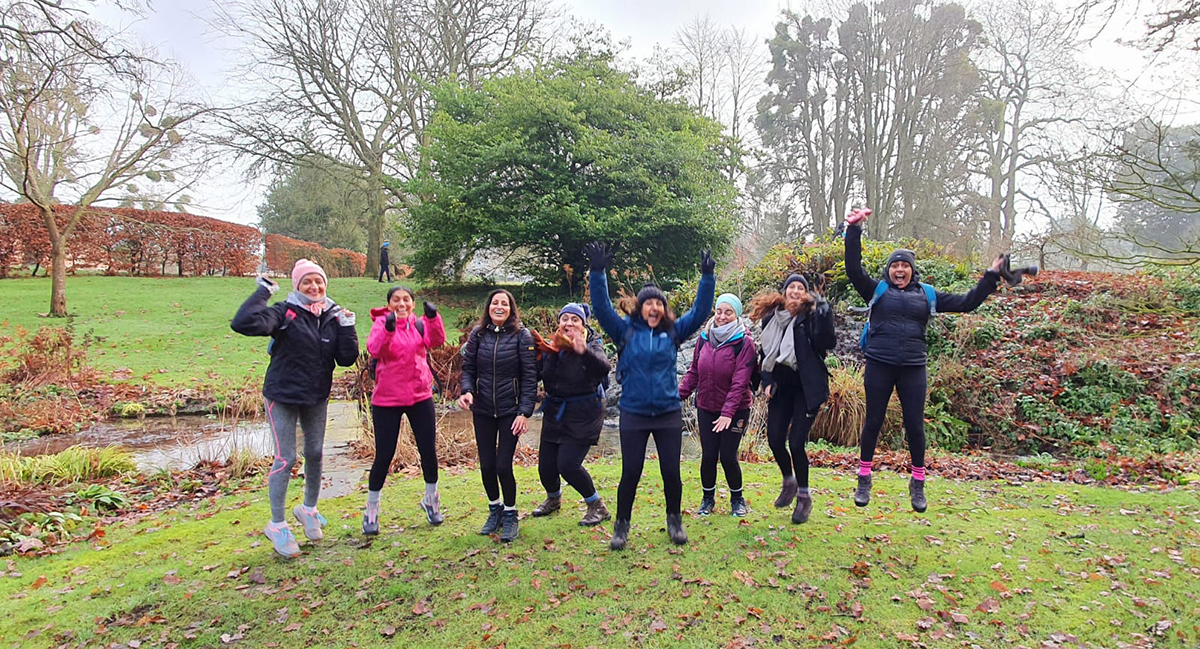
The tenth Chilterns Walking Festival features a programme of more than 50 walks and local events to help you enjoy the autumn splendour, the golden beech trees and hedgerows bursting with colour.
Highlights include Pipsticks walks on the day before All Hallows Eve for a spooky walk along the River Thames and lots of ghostly tales from the riverbank! Or take a Walk on the Dark Side with an exhilarating stroll through Bones Wood and Crowsley Park, tuning into the sounds and sights of the night, and ending at the pub for hot chocolate.
50 walks and local events to help you enjoy the autumn splendour
There’s also a foraging walk among the magnificent sweet chestnut trees to learn about and enjoy the bountiful autumn fruits of the forest. Literary walk discovering” in south Oxfordshire including the house where he once lived.
Discover and walk some of the ancient routes which criss-cross the Chilterns, exploring Drovers routes and the Slow Ways historic routes. There’s a nature walk at Aston Rowant to celebrate the 70th anniversary of National Nature Reserves. Join the rangers to see the wildlife that makes them so special, finishing with tea & cake.
Tour guide Bobbie Latter will take you on a guided walk around historic Marlow, followed by a hands-on lace-making experience and a delicious afternoon tea. Plus there are map reading courses, pub walks, local produce tasting, historic garden tours and much more.
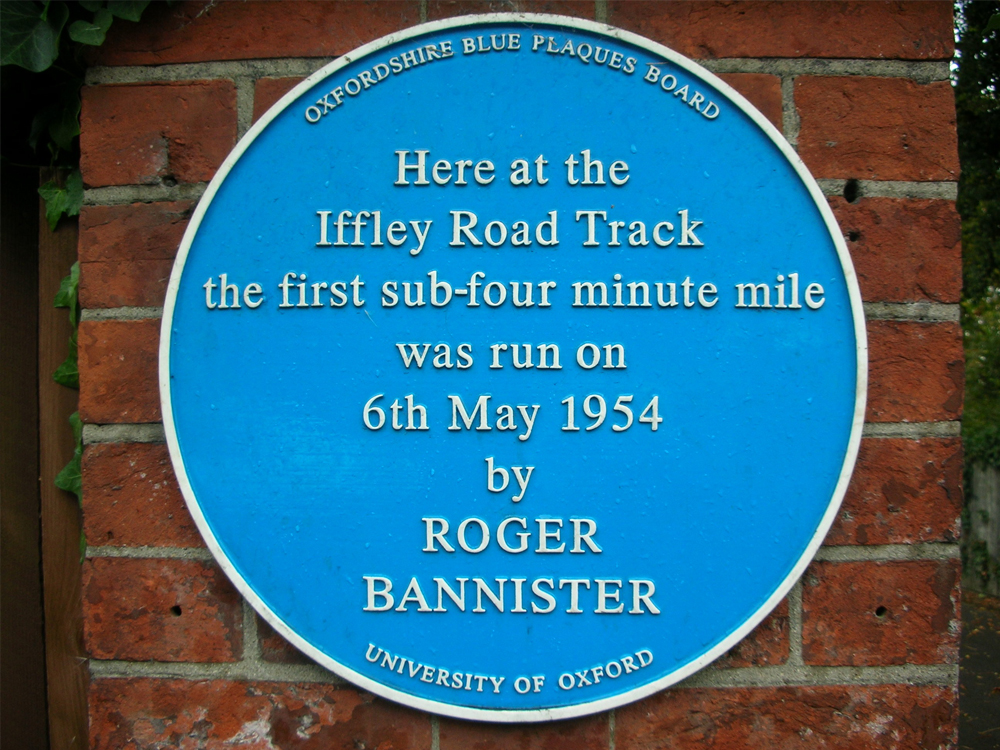
On a windy day in May 1954, a 25-year-old medical student broke track and field’s most famous barrier – the four-minute mile. Roger Bannister won fame at Oxford’s Iffley Road track, with a time of 3 minutes and 59.4 seconds.
Bannister, who’d been born into a working-class family, showed promise in education as well as running. After retiring from athletics, he enjoyed a long and distinguished career as a neurologist. He made the Queen’s Honours list twice for his contributions to sport. Then, in his 70s, he returned to his studies – by taking short courses at Oxford University’s Department for Continuing Education.
Bannister knew that mental fitness carries many of the same benefits as physical fitness, including improved health, mental resilience and longevity. As a research neurologist, he would have understood brain plasticity – how a stimulated brain forms new synaptic connections at any age. Many studies (including one published in The Lancet in July 2017) cites educational attainment and lifelong learning as among the most important factors in preventing one-third of future dementia cases.
Among the topics Bannister explored as an adult learner were the philosophies of Hegel and Wittgenstein, the politics of Asia and America, the making of modern Europe, the history of the Cold War, and the archaeology of Roman Britain.
He went on to complete a longer course too – an Undergraduate Diploma in Creative Writing. Bannister joked with his poetry tutor that writing a villanelle was harder to achieve than breaking the four-minute mile.
For most of us, breaking a record in track and field is off the table – but lifelong learning is always well within reach. You can follow Sir Roger Bannister’s example at Oxford, choosing from more than 1000 short courses and longer programmes, taught both in Oxford and online.
Discover millions of creative and crafty ways to share your life stories for future generations
In the time of the most advanced technology on record, the most money humankind has ever had, and more ways to get entertained you could possibly wish for, the strange truth is that the levels of stress, depression, and anxiety are also the highest they’ve ever been.
According to studies, children doing GCSEs today experience the same levels of stress as veterans in the times of the Vietnam war. How did it happen exactly that as we’re moving faster and faster toward the next thing exclusively designed to make us happy, we often feel like the most important thing is missing?
How does today’s lifestyle affect our mental health and what psychological benefits can art provide? Is it true that art cleanses your soul? And if it does, could it make you feel so much better you’ll actually feel the difference?
According to the world-renowned scientist Mikhailo Csikszentmihalyi, the feeling of flow created by intensely crafting (for example, writing, scrapbooking, working with clay) can cardinally change your life, infusing it with never before seen clarity, passion, purpose, and quantifiable changes in happiness. Don’t take our word for it though!
Although it can feel like modern technologies have taken over our lives to the point where our phones are controlling how we feel, how much time we spend with our family, and who watches our every move, you’ll find that there is one simple solution that includes a surprisingly old technology.
Have you ever felt that visceral emotion brought back by music or perfume or place when you remember your loved ones? Memories could very well be the most important thing in our lives, and it would be a great shame for them to fade with time.
As a family business, we know there’s nothing more important than family. With Fusions Craft, you can discover a panacea to stress, frustration, and a way of stopping the frenetic rat race and slowing downtime to a halt so you can spend it in a truly Buddhist fashion, inspecting scrapbooks you created.
In the days to come, the next generations will cherish these and learn about you with tender wonder. It’s one thing to hear about your grandma’s life story, but it’s entirely different to see the photos and feel the smell of the ink.
Fusions Craft specializes in the almost lost art of keeping your memories alive. Starting off as a small hobby, the craft unfolded and grew like a flower leaning toward the sun; soon it became a family business that specializes in scrapbooking supplies: if you need
• Paper & Card,
• Scrapbooking paper,
• Stencils,
• Embossing powder and Moulds
• and tons of other supplies you can possibly think of, you’re in the right place.
Why Fusions Craft?
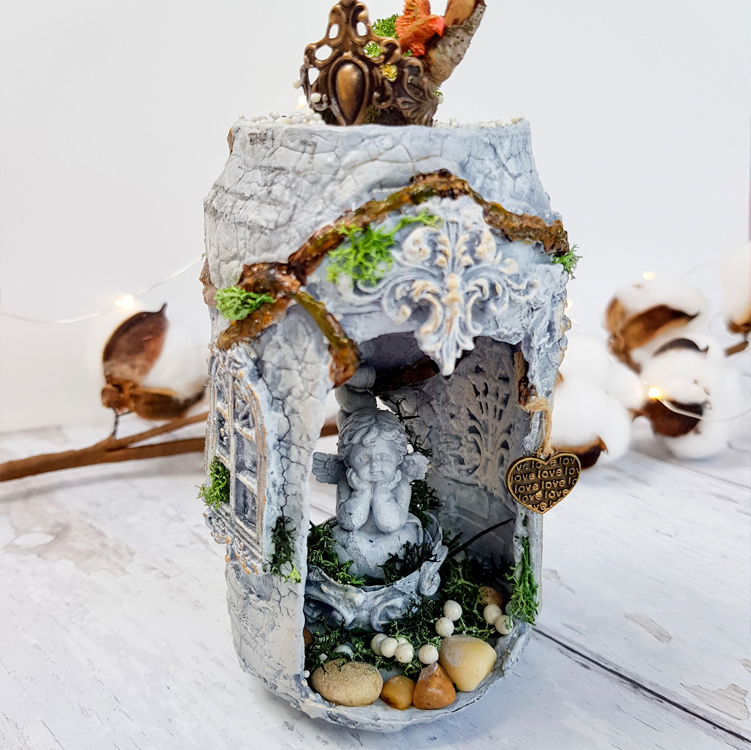
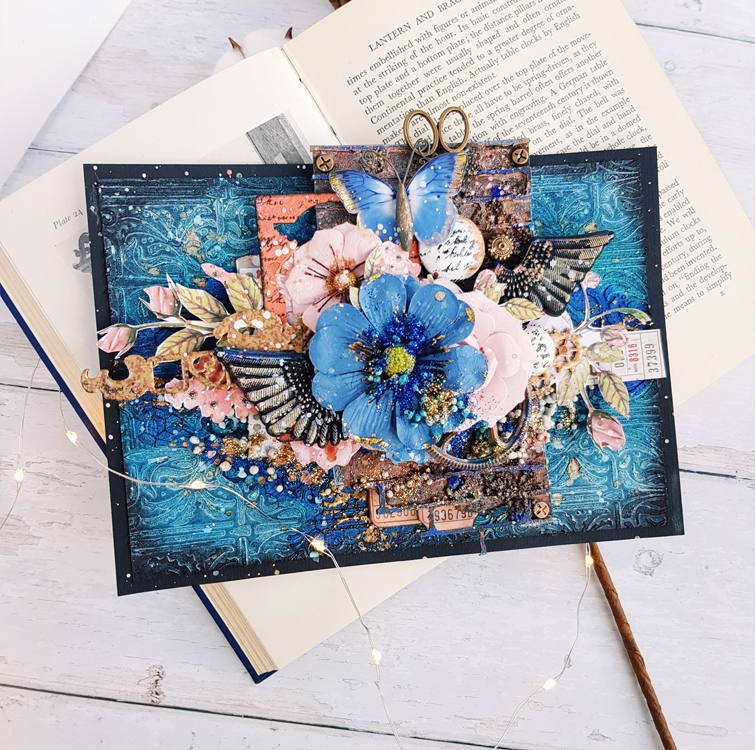
Fusions craft is about so much more than photo albums. We provide you with every tool you can think of so you can produce nothing less than works of art to tell the most amazing stories, like so:
With stencils, moulds, flowers, embellishments, stamps, sprays, and much, much more, you can discover the magic of artistry that can be taken with you anywhere.
Learn of a million different ways of decorating the pages of your love stories, family sagas, photos of children and travels, adventures, tales of forest fires and heroic doctors, life wisdom learned from the darkest nights, indescribable beauty and courage and faith – with items that best reflect the emotions that will now, thanks to your contribution, will never be lost to the world.
2020 may have been called the most difficult year in history, but it also saw humans at undoubtedly their best: we saved animals in burning forests, spent more time with our family and loved ones, cried together, got saved by governments we criticized so much, stoically battled the virus and died like heroes, gave each other masks, and helped strangers.
Fusions Craft is your chance to let those who will come after know how we stood together even though we were forced to be apart. Create postcards, panels, decorate boxes, build mesmerizing scrapbooks with photos of your loved ones, adventures, your stories, unique moments caught on camera, and all those things you’d be heart-broken to forget. Now you never will.
It’s up to you what you want to remember. You could choose to remember this year as the toughest on record. Or you can keep documentary proof that along with everything that happened in 2020, it actually didn’t make us less human but instead much more. How will you remember this year?
Fusions Craft isn’t just a shop. It’s a place where you will write history.
Friday 8th May 2020 marks 75 years since Germany’s formal surrender to mark the end of the Second World War.
Millions of us should have been celebrating this historic day with parties and community events, mimicking the sprit and jubilation experienced on VE Day.
Sadly, the social restrictions brought about by the coronavirus have forced these to be abandoned for the time being but it is hoped they can be moved to 15th and 16th ~August when VE Day will be commemorated alongside VJ Day.
But while we can’t celebrate with family and friends or with our neighbours having a street party, English Heritage is encouraging everyone to mark the anniversary with their own VE Day entertainment at home and have produced a special VE Day at Home pack.
There are ideas for 1940s recipes – try making carrot scones and ginger beer; learn to dance the Lindy Hop – 1940s dress optional – and a playlist to help you plan as well as popular songs from the era, White Cliffs of Dover and Lambeth Walk.
While swing dance may not be for everyone, one thing we can all do is to raise a glass and join the nation’s toast to say thank you to the men and women who played their part in the war. At 3pm on the bank holiday, Friday 8th, wherever you are and whether it’s with a glass of something or a cup of tea say thank you to honour our nation’s heroes and those of today too. Find out more at www.veday75.org
Did you know...
– It wasn’t the end of the Second World War – VE Day marked the formal end of war in Europe, but pockets of German resistance continued fighting for a week or so more
– Celerations started early – 9th May 1945 was the date originally agreed by the Allies as VE Day but news of the surrender was leaked and so, late on 7th May, a BBC radio news flash announced the next day would be a national holiday
– Pubs stayed open late – licensing hours were extended so people could properly toast the end of the war, and dance halls remained open beyond usual closing hours to accommodate buoyant revellers
– It wasn’t a surprise – surrender was not unexpected and had been anticipated for some time in Britain. The term VE Day had been mooted as early as September 1944 and a team of bell ringers were on standby at St Paul’s Cathedral ready for the celebrations, once the news arrived
For further information, contact Citizens Advice helpline on 0300 330 9042
For all of English Heritages tips and ideas and to download their material visit their site
Jane Austen’s House in Chawton has two new ambassadors for 2020 alongside its new displays and events to celebrate nature and the outdoors.
Actor and theatre director Samuel West and Olivier award-winning playwright and screenwriter Laura Wade will jointly take on the role of ambassadors.
Laura’s play The Watsons, an adaptation of Austen’s unfinished story and directed by West, is set to make its West End debut in May and are delighted to have taken on the role.
The pair spent a morning in rehearsals at the house with the cast and Laura said: “We already feel like we have a connection to the Museum and are very proud to be associated with such an important and resonant place – it means a great deal to us.”
This year will also see the house and garden reflecting Jane and her characters’ love of nature and the outdoors. A first edition of Pride and Prejudice will take pride of place in the Reading Room, celebrating Lizzie’s walk through muddy fields to visit her ill sister at Netherfield, together with a pair of Regency ladies’ walking boots and a pair of pattens, worn by ladies to keep their feet dry.
The bakehouse will feature a new chalkboard for children to record the wildlife they spot in the garden, encouraging them to keep an eye open for birds, bees, insects and even hedgehogs and bats.
A spring flowers workshop will be held on 3rd May and a series of guided walks over the Easter and May bank holidays.
Collections manager Sophie Reynolds said: “Nature is not always the first thing that comes to mind when people think of Jane Austen, but we know from her letters that Jane was a keen walker and enjoyed the countryside. It is this love for the outdoors that she instilled in her heroines that we are celebrating through our events programme, items in our collection and by encouraging visitors to fully enjoy the House’s beautiful cottage garden.”
Jane Austen’s House re-opens to the public tomorrow (1st February).
A mass hug is taking place at Reading gaol tomorrow (Sunday 13th) to show some love in a bid to save the historic site and it couldn’t be more timely.
It was revealed on Wednesday that the Ministry of Justice has put the building up for sale with interest expected from housing developers but many in the town want it used as an arts venue.
Campaigners have been working to save the gaol and a petition from Reading East MP Matt Rodda reached more than 6,000 signatures.
The hug is set to take place at 2pm with the idea being participants will hold hands and surround the prison with a “mass hug”.
There is interest from many groups in Reading including the Civic Society which wants to see the prison, where Oscar Wilde was locked up, used as a cultural hub for the town.
Theatre and Arts Reading wants to see the gaol feature performance space, an art gallery, a digital hub, maker space and a museum giving people the opportunity to meet for arts, crafts and cultural activities.
Artist Sally Castle has produced a new logo for the campaign which has been reproduced on T-shirts with many people expected to wear them today.
Register
If you want to join the hug you need to register, it’s free but organisers need an idea of the numbers