Spire Thames Valley backs Team GB in new healthcare partnership through to LA 2028

Zoe Gater

health

Spire Thames Valley Hospital is celebrating a new partnership between Spire Healthcare and Team GB that will see the organisations work together to promote healthier lifestyles ahead of the Los Angeles 2028 Olympic Games.


Spire Thames Valley Hospital is celebrating a new national partnership between Spire Healthcare and Team GB, with the independent healthcare provider becoming the British Olympic team’s exclusive Official Healthcare Services Partner through to the end of 2028.

The partnership aims to inspire healthier lifestyles by bringing together elite sport and healthcare expertise.

As part of the collaboration, Team GB athletes will feature in campaigns promoting the benefits of physical activity, recovery and rehabilitation, while sharing inspiring stories from both Olympic sport and patient care.

Spire colleagues and clinical partners will also have opportunities to attend exclusive events with Team GB athletes.

Karen Rymes, Hospital Director at Spire Thames Valley, said: “We’re proud that Spire has partnered with Team GB, combining elite sport and healthcare expertise to inspire healthier lifestyles across the UK.

“Here at our hospital and across Spire we see the benefits of staying active for improving health and supporting recovery day in, day out.”

Spire Healthcare cares for more than 1.3 million patients each year through its network of 38 hospitals and more than 60 clinics, offering services including orthopaedics, physiotherapy, diagnostics and mental health care.

The partnership reflects the organisation’s focus on helping people stay active and recover well, whether they’re elite athletes or everyday patients.

The collaboration will be supported by a nationwide campaign across television, digital channels, social media and events, encouraging more people to embrace the health benefits of sport and exercise.

For Spire Thames Valley, the partnership reinforces its commitment to supporting healthier communities while showcasing the role specialist healthcare can play in improving quality of life and recovery.

Team GB heads into the partnership following another successful Olympic cycle, having won 65 medals at Paris 2024, including Great Britain’s 1,000th Olympic medal since the modern Games began in 1896.

The team has now won more than 60 medals at every Summer Olympic Games since London 2012.

Unwind in nature at Surrey’s new off-grid woodland sauna

Zoe Gater

health

A wood-fired sauna with panoramic views of the Surrey Hills has opened on Hampton Estate near Farnham, offering a peaceful wellness experience designed to help visitors slow down and reconnect with nature.


If you’re looking to swap the stresses of everyday life for fresh air, woodland views and complete relaxation, The Waggon Sauna on Hampton Estate near Farnham could be the perfect escape.

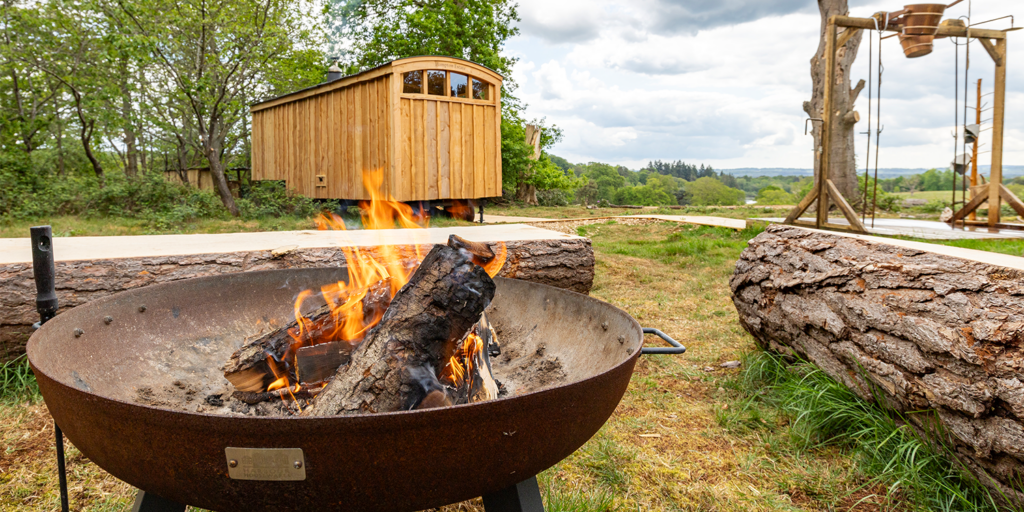
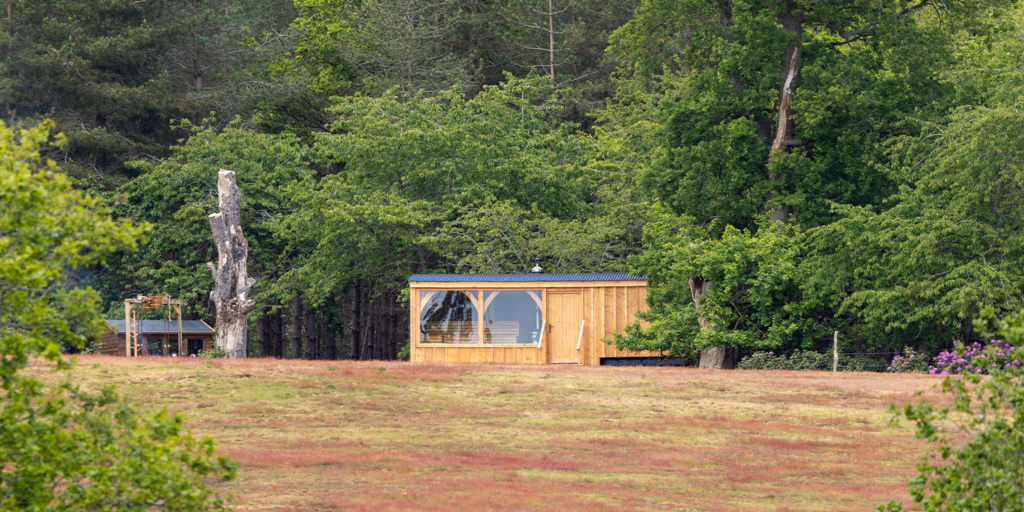
Nestled in the countryside and reached by a peaceful 10-minute woodland walk, the off-grid, wood-fired sauna overlooks sweeping views of the Surrey Hills, creating a unique setting for visitors to unwind and reconnect with nature.

The sauna sits alongside the estate’s popular Waggoners Campsite, with the two experiences designed to complement one another by encouraging guests to embrace a slower pace of life surrounded by nature.

Sustainability is at the heart of the project. The sauna has been built using timber grown on Hampton Estate, together with reclaimed materials from the farm’s historic hop kiln. Heated by a traditional wood-fired stove fuelled with logs from the estate, the sauna operates entirely off-grid, reflecting the estate’s wider commitment to regenerative farming and nature restoration.

Bill Biddell, CEO of Hampton Estate, said: “We wanted to provide people with an opportunity to relax and reconnect with nature in a beautiful setting. It fits closely with our estate ethos of nature restoration and regenerative farming, and we’re delighted to see such a positive response so early on.”

Sauna Manager Elenid Coleman believes the experience offers more than just relaxation.

She said: “We believe in saunas becoming the new ‘third space’ — somewhere people can come together, switch off, and feel part of something. We’re really excited to be building a community of nature-based sauna lovers here.”

Although only recently opened, The Waggon Sauna is already attracting praise from visitors for its tranquil atmosphere, thoughtful design and spectacular setting.

The Waggon Sauna is located on Hampton Estate, Puttenham Road, Seale, near Farnham (GU10 1HP). Sessions must be booked in advance and have limited capacity to preserve the peaceful experience.

For more information or to book, visit thewaggonsauna.co.uk.

Celebrate 30 years of Maggie’s Oxford with an exclusive prosecco garden party at Merton College

Zoe Gater

health

Maggie’s Oxford is marking its 30th anniversary with an exclusive prosecco garden party in the historic grounds of Merton College, giving guests the chance to enjoy afternoon tea, explore rarely accessible gardens and support people living with cancer.


Marking three decades of supporting people living with cancer, Maggie’s Oxford is inviting supporters to an exclusive prosecco garden party in the beautiful grounds of Merton College this summer.

Founded in 1996, Maggie’s provides free practical, emotional and psychological support to anyone living with cancer, as well as their family and friends. From expert advice on treatment and financial concerns to one-to-one counselling, group sessions and family support, the charity is there for people for as long as they need it.

To celebrate its 30th anniversary, guests are invited to enjoy an afternoon in one of Oxford’s most historic settings. The event includes a glass of chilled prosecco, afternoon tea and the rare opportunity to explore the private gardens of Merton College, which are not usually open to the public.

Visitors can relax among the College’s ancient trees and colourful herbaceous borders, overlooking Christ Church Meadow, with the gardens home to a historic mulberry tree believed to have links to King James I.

As part of the experience, guests can also take guided tours of Merton College’s historic chapel and Upper Library. Dating back to the 13th century, the chapel sits at the heart of the college, while the Upper Library, built between 1373 and 1378, is the oldest surviving library in Oxford and one of the oldest continuously functioning academic libraries in Europe.

Maggie’s Oxford relies entirely on charitable donations to fund its services, receiving no government or NHS funding. Every ticket sold will help the charity continue providing free support for people living with cancer across Oxfordshire for years to come.

Tickets can be booked at eventbrite.co.uk/e/maggies-oxford-summer-garden-party-at-merton-college-tickets or by emailing oxford.fundraising@maggies.org.

For more information about Maggie’s Oxford and its work supporting people affected by cancer, visit maggies.org.

Discover the countryside run club with a wild spa twist at Peterley Manor Farm

Zoe Gater

health

If your ideal weekend involves movement and mindfulness, this one’s worth setting an early alarm for.

Tucked away in the rolling countryside at Buckinghamshire’s Peterley Manor Farm, Run Club x Slohaus Wild Spa brings a bi-weekly mix of sociable running and restorative outdoor wellness.

The experience takes place on selected Saturdays, starting with a relaxed 5–8km group run through the Chilterns countryside, followed by a recovery session designed to help you properly reset.

Leaders set an inclusive, steady pace that keeps the runs accessible for regular runners and newcomers alike, with a clear focus on community over competition.

Afterwards, you head back to the wild spa for wood-fired sauna sessions and cold-water immersion – a simple but effective contrast therapy that helps you recharge.

Each session runs from 8am to 10am.

Tickets cost £20 per person, with each experience lasting around two hours.

For more information or to book, visit Slohaus Wild Spa’s website.

10 of the best places to go fruit picking – within easy reach of London

Zoe Gater

health

From sun-ripened strawberries to pumpkin-filled autumn fields, these pick-your-own farms near London offer the ultimate seasonal day out – with plenty of fresh air, flavour, and countryside charm.

There’s something undeniably satisfying about picking your own produce straight from the source. Whether it’s a punnet of perfectly ripe strawberries, a bunch of vibrant wildflowers, or a wheelbarrow-worthy pumpkin in autumn.

And fortunately, you don’t have to travel far from the capital to find some of the UK’s best pick-your-own (PYO) experiences. Across Surrey, Oxfordshire and beyond, farms are opening their gates each season to welcome visitors into their fields.

So whether you’re planning a wholesome weekend activity, entertaining little ones, or simply chasing the taste of fruit at its freshest, these PYO farms deliver a seasonal experience that’s as enjoyable as it is delicious.

Fruit picking in Surrey

Garson Farm, Esher

If you’re after a pick-your-own experience that really delivers, Garsons Farm more than earns its award-winning reputation. Crowned ‘Pick Your Own of the Year’ at the 2025 Farm Retail Association Awards, it’s a go-to for top-quality produce and beautifully kept fields.

Spanning an impressive 155 acres, and farmed by the same Thompson family since 1871, it’s one of the UK’s largest PYO sites. Expect row upon row of vibrant crops – from juicy strawberries to colourful flowers – with around 30 varieties to choose from across the season. PYO typically kicks off in late spring, just in time for those first sweet harvests of the year.

Crockford Bridge Farm, Addleston

Steeped in history (it even gets a mention in the Domesday Book!), Crockford Bridge Farm blends heritage with a seriously good seasonal offering. Set across 80 acres of Surrey green belt, this family-run spot is a firm favourite for good reason.

There’s always something new to pick from June through to December – think sun-warmed strawberries and raspberries in summer, followed by pumpkin patches and winter squashes as the seasons turn. And whatever you do, don’t leave without stopping by its ice cream parlour – the perfect end to a day in the fields.

Secretts of Milford, Godalming

A staple of Surrey’s food scene is Secretts. Just outside Godalming, this award-winning farm is known for its lively events, beautifully maintained fields, and seriously fresh, seasonal food.

Depending on the time of year, you can wander through fields picking everything from asparagus and rhubarb to pumpkins – all harvested just metres from where you stand. Afterwards, the farm shop is a must-visit – especially the cheese counter, which boasts more than 300 varieties (yes, really).

Priory Farm Estate, Redhill

Looking to turn your fruit picking into a full day out? Priory Farm Estate has you covered.

Alongside seasonal PYO fields, you’ll find woodland trails, nature-inspired play areas, and plenty of space to roam. Kids can run wild, and adults can slow down – ideally with a basket full of fresh produce in hand.

Fruit picking in Oxfordshire

Rectory Farm PYO, Oxford

Rectory Farm has been feeding Oxfordshire (and beyond) for generations – and its PYO offering is just as impressive as you’d expect.

With 45 acres dedicated to pick-your-own crops – plus a further 60 acres of asparagus fields nearby – there’s plenty to explore. From April through to October, the fields come alive with more than 30 varieties, from spring asparagus and strawberries to late-summer sunflowers and autumn pumpkins (with thousands planted each year).

Fruit picking in Buckinghamshire & Berkshire

Peterley Manor Farm, Great Missenden

Tucked away in the Chilterns, Peterley Manor Farm feels like a proper countryside escape. Family-run and full of charm, it offers a relaxed, scenic setting for a spot of seasonal picking.

Depending on when you visit, you might find yourself gathering plums, strawberries, or redcurrants in the sunshine – or wandering through fields of sunflowers and pumpkins later in the year. Come Christmas, it transforms again, with rows of beautifully grown trees ready to take home.

Copas Farms, Cookham/Iver

If variety is what you’re after, Copas Farms – operating as The Fruit Fields – is hard to beat. With multiple sites and a well-planned growing calendar, it offers a steady stream of crops throughout the seasons.

From the first strawberries and cherries of early summer to raspberries, apples, sweetcorn and more, there’s always something worth picking. It’s a reliably good choice for those who like their PYO trips easy, well-organised, and packed with flavour.

Fruit picking in Hampshire

Pickwell Farm, Bursledon

A much-loved local spot just outside Southampton, Pickwell Farm has been welcoming visitors since 1985.

The picking calendar is packed with variety, from early rhubarb and strawberries to late-summer sweetcorn and autumn pumpkins. In between, expect everything from raspberries and blackberries to courgettes and beans – perfect for filling your basket (and your kitchen) with fresh, seasonal produce.

Goodall’s Strawberry Farm, Lymington

For a more traditional, no-frills PYO experience, Goodall’s Strawberry Farm is a south coast classic.

Best known for its beautifully grown strawberries, this is the place to come on a sunny day when only the freshest, sweetest fruit will do. Simple and seasonal!

Fruit picking in Wiltshire

Lotmead Pick Your Own, Wanborough

Friendly, relaxed, and easy to visit, Lotmead PYO is a great all-rounder for families and casual pickers.

Fields are well-kept and full of variety, with strawberries and raspberries in summer giving way to pumpkins as autumn rolls in. Whether you’re planning a wholesome day out or just popping by for a punnet or two, it’s a lovely spot to soak up the seasons.

Spire Thames Valley Hospital awarded gold for commitment to patient safety

Zoe Gater

health

The National Joint Registry (NJR) has awarded Spire Thames Valley Hospital with Gold Level status after successfully completing a national programme of local data audits.

Part of the leading independent healthcare group Spire Healthcare, Spire Thames Valley Hospital has earned Gold Level status from the National Joint Registry (NJR) through its Quality Data Provider programme.

The National Joint Registry collects and monitors high-quality orthopaedic data on hip, knee, ankle, elbow and shoulder joint replacement procedures.

This information helps improve patient safety, raise standards of care and deliver better outcomes in joint replacement surgery. It also provides valuable feedback to orthopaedic clinicians and implant manufacturers.

The NJR introduced the Quality Data Provider certificate scheme to help hospitals achieve and maintain high standards in patient safety and data reporting.

The programme recognises hospitals that meet the registry’s strict targets for data completeness, accuracy and quality.

Each year, the NJR carries out a Data Quality Audit. It compares the number of joint replacement procedures hospitals submit to the registry with those recorded in their local Patient Administration System (PAS).

This process helps ensure the registry receives the most complete and accurate data possible from hospitals performing joint replacement surgery, including Spire Thames Valley Hospital.

Sue Holliday, Hospital Director at Spire Thames Valley Hospital, said: “Improving patient safety is of the utmost importance and something all staff at Spire Thames Valley Hospital take very seriously.

“We fully support the National Joint Registry’s work to improve clinical outcomes for joint replacement patients, and we are delighted to be recognised as an NJR Quality Data Provider.”

‘I’m still Millie’: Life beyond chronic illness

Round & About

health

Millie Bridger’s life changed beyond recognition six years ago, here she shares her moving and inspirational story.

Six years ago I was living my dream, training as a professional dancer in London; then, my health changed and took everything.

I was later diagnosed with Ehlers-Danlos syndrome, PoTS, gastroparesis, intestinal dysfunction and many more complex conditions that have brought more than 15 surgeries, two battles with sepsis, and many long hospital stays — including seven Christmases and New Years spent in hospital.

I live with multiple feeding tubes and am connected to a medical pump for 22 hours a day. A quiet reminder of how fragile and precious life can be.

Rather than giving up, I decided to use what I’d been through to help others. I founded milliebridger.com which began as a small personal blog and has grown into a space where people living with chronic illness or disability can feel less alone, understood, and supported.

Through help guides, support groups, advocacy work and an online support community called ‘Finding Happiness, Together’, my goal is to help others rediscover confidence and purpose and to remind them that life can still hold meaning and connection, even when it looks completely different to what they imagined.

I’ve learned that when your world stops, the world around you keeps turning. You don’t get a choice but to keep going. When I lost my health and the identity I’d built as a dancer, I had to rebuild myself from the ground up.

Somewhere along the way, I stopped fighting to be the person I was and started embracing the person I’ve become. I’m still Millie, but now I live slower, smile wider, and find beauty in places I never used to look.

Illness gave me a perspective I never would have found otherwise. I’ve learned that joy can exist alongside pain, that meaning can survive loss, and that strength is often quiet. I’ve found light in hospital rooms, hope through community, and purpose in helping others find a way through their own darkness.

I also volunteer with Ehlers-Danlos Support UK, collaborate with charities and brands on accessibility and inclusion projects, and visit local schools and hospices with my therapy dog, Ralph.

Earlier this year, I joined Champions Speakers Agency to continue raising awareness through public speaking, sharing messages of hope and resilience.

You can find more about my work at milliebridger.com.

Millie Bridger is a writer, disability advocate, and public speaker based in the Camberley area.

RHS Garden Showcases Medicinal Plant Magic

Round & About

health

RHS Healer’s Hollow explores the use of plants as medicine in a feature garden at this year’s RHS Hampton Court Palace Garden Festival 

Discover RHS Healer’s Hollow: Celebrating Plant Folklore and Healing

Inspired by centuries of plant stories and traditional herbal medicine, RHS Healer’s Hollow invites visitors to reconnect with nature. This garden shows how plants have helped people’s health and wellbeing for many years. Moreover, it highlights the natural healing power of plants and old wisdom.


Meet the Creators of RHS Healer’s Hollow

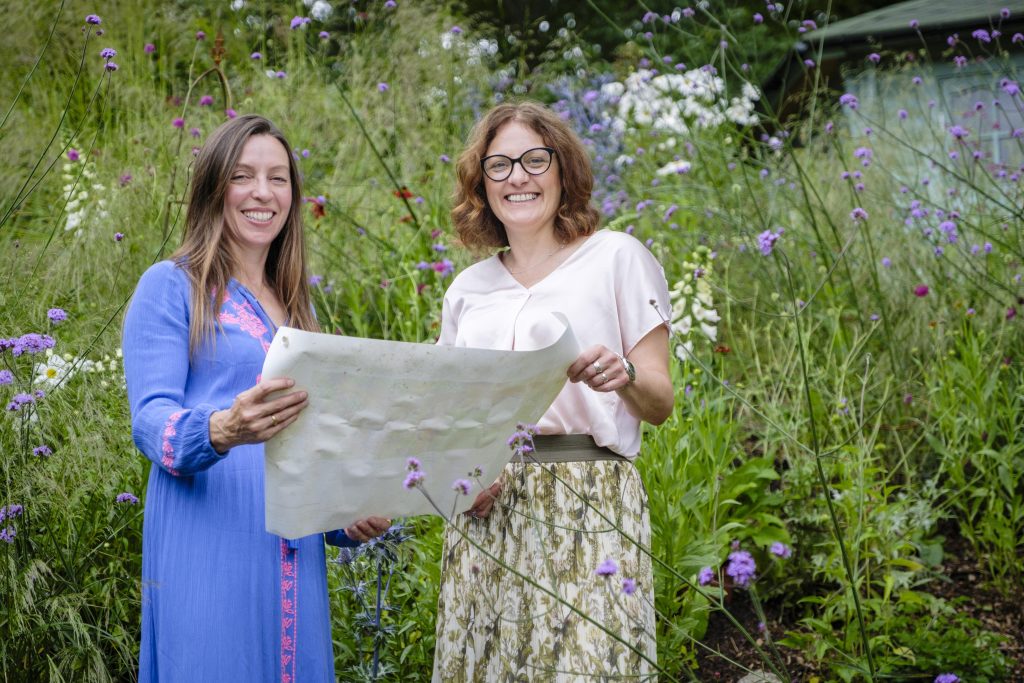
Award-winning designers Emily Grayshaw and Jude Yeo from Inspired Earth Design in Godalming created this garden. After winning two gold medals and a Best in Show award at earlier RHS events, the RHS asked them to design this special garden. Their work focuses on the strong bond between people and plants, showing how nature can heal us.


Healing Stories Told Through Garden Design

The garden centres on Gaia, a wise healer who lives off the grid in a handmade shepherd’s hut. Through Gaia’s story, visitors learn about both old and new ways of using plants for health. For example, the garden is a calm space filled with plants known for their healing and traditional uses. It encourages everyone to explore natural remedies that have helped people for centuries.


A Closer Look at the Garden’s Features

Emily and Jude worked with local artists to create many garden features. These include botanical artwork, natural materials, and the handmade shepherd’s hut. Each element serves a purpose and tells part of the garden’s story. Additionally, the designers consulted a historical herbologist and a medicinal horticulture lecturer. Their expertise helped ensure the garden’s authenticity and educational value.


Bringing Healing to the Community

After the festival ends, parts of RHS Healer’s Hollow will move to Farncombe Community Garden near Godalming. This space, supported by local doctors, promotes social prescribing. It encourages patients and community members to engage with nature for better physical and mental health. In fact, their goal is to foster “growing community wellbeing” through gardens and green spaces.

More information click here 

Amersham Hospital’s Wildflower Meadow: A Hidden Oasis of Orchids

Round & About

health

Janey Wall praises Wild Amersham’s efforts at Amersham Hospital, including orchids!

Orchids are quietly blooming in the grounds of Amersham Hospital. They’ve sprung up on what was, until two years ago, tended lawn.

Now, thanks to Wild Amersham, the hospital is restoring native wildflower meadows on sloped areas. The move has triggered an explosion of species, some familiar, others arcane, many with fascinating folkloric associations. Bee orchids are the star attraction, named after their stunning bee-like velvety pattern, designed to lure in males to try to mate and pollinate the flower. Inches away: a pyramidal orchid. How did they get there, you may ask. As volunteer Marieke Bosman explained on a wildflower walk, the orchids’ seeds are tiny and can be carried far by wind. No human hand was involved; the orchids self-seeded.

The Chilterns’ chalky ground is also key. Described as the “rainforest of Europe”, lowland chalk grassland – if left untouched – is one of the continent’s most diverse plant communities, hosting up to 40 species per square metre. A botanist last year counted 140 species across the new patches of wildflower meadow at Amersham Hospital.

The most prolific species this year is the oxeye daisy, which is flourishing waist-high on a slope near the hospital’s new heat pump. Other species include the delicate harebell, clover and aromatic wild strawberries. There’s the curiously named ribwort plantain (not related to bananas), ploughman’s spikenard and cut-leaved cranesbill. 

If you’d like to get involved please visit here.

If you like this story, you will definitely like our others, click here.

Compassionate advice on working through grief

Round & About

health

Celebrant Fiona Mac advises how to work through grief ahead of the next Abingdon Compassionate Café on 20th June

Balancing the sometimes-overwhelming feeling of grief with our own personal wellbeing can be a challenge. Acknowledging and allowing for the grieving process, along with prioritising your own self-care whilst seeking support if required, can be complex.

Here are some tips I have picked up over the years of working with families living with grief, and what they have shared with me that may help. Recognising that you grieve in response to a loss.

“Grief is a natural response to loss, and it’s important to allow yourself to feel the emotions associated with it. One family member said: “Grief is a fickle thing, it hits you in a way you aren’t prepared for. “I have always been a confident person, so the shift in my mental health took me by complete surprise” ” (quote from MIND)

Acknowledge your feelings:

It can help to recognise and name the emotions you’re experiencing, whether it’s sadness, anger, guilt, or confusion. Some other words people have used to name their feelings, numb, stuck, confused, deeply sad, relief (at your loved one no longer in pain or suffering, closely followed by guilt), at a loss, feeling withdrawn.

Name them and then acknowledge them. Allow them to be what they need to be.

If it helps, take time out to acknowledge and maybe celebrate your loved one’s special days like birthdays, wedding anniversaries. Use these times to look back at photos that remind you of them and talk about them with your family and friends.

We all need a hand sometimes:

Talk to trusted friends, family members, charity helplines or a therapist about your grief and how it is affecting everyday life.

Sometimes being alongside others who are experiencing similar losses can provide comfort and support, so look out for local support groups.

“Grief is not a race.”

How you feel in yourself, your physical wellbeing:

Grief can disrupt your regular sleep patterns, so take time to think about creating a beneficial sleep routine. Come off social media a good two hours before going to bed. Maybe read, have a bubble bath, dim the lights and listen to calming music. Or try a sleep story to help fall asleep.

Grief can also affect your appetite in many ways. Of course, treats are still OK.

On the other hand, it’s really important to nourish your body with regular meals of nutritious fresh foods.

A daily dose of fresh air can improve how you’re feeling, in all weathers. If you can build in some regular daily physical activity, it can help manage any stress and improve moods.

Gardening, joining a green gym (local groups that provide gardening opportunities in small groups), and tending a local garden for a neighbour or local hospice or care home.

Think of joining in on a regular, organised local walk, jog or run. Dancing, swimming, cycling or other activities that get you moving. Perhaps take up a hobby that you used to enjoy, or look for activities that bring you joy.

Importantly, be gentle with yourself.

Grief is not a race and there is no one-size-fits-all all. Energy levels will go up and down, so pace yourself and be careful of not being driven to do things you feel you should do! Take the time pressure off everything and stick to doing “must-dos”.

Lastly, remember, you are not alone. Listed below are some organisations that can offer support, space to chat and specific bereavement support.

Useful Links:

MIND Website > Bereavement

Maggies > Friends and family

Care for the Family > Bereavement support

Sobell House > Companion support

Good Grief > For young people


Fiona Mac

About Fiona

Fiona Mac is an award-winning professional civil celebrant, based in Abingdon. She’s a Listening Samaritan for 30+ years and the founder of the Abingdon Compassionate Café. They meet regularly, offering cake, kindness and compassion in the beautiful surroundings of St Ethelwolds House in Abingdon.

Abingdon Compassionate Café

The Abingdon Compassionate Café will be held on 20th June 2025. Then running monthly on the 1st Saturday of each month. Between 10am – 12pm and then 2pm – 4pm from Saturday 6th September 2025. Visit Fiona’s website to keep updated.


See more of our articles on Health & Wellbeing here.