More than 60 creative scarecrows are expected to pop up around Twyford this October, as the popular community trail returns to raise funds for local schools.
Twyford is set to go wild this half-term as the Twyford Scarecrow Trail returns from Monday 26 to Saturday 31 October 2026.
Residents, local businesses and community groups will be transforming the village with imaginative scarecrows inspired by this year’s theme, Wildlife, giving families the chance to explore Twyford and see what creative creatures they can discover along the way.
Maps cost £3, with proceeds helping to raise funds for the PTAs of Polehampton Infant & Junior Schools and The Colleton Primary School, supporting educational initiatives and activities for pupils at both schools.
Maps will be available throughout the trail from Grapevine Estate Agents, open from 9am to 5pm, and Ola Coffee Shop, open from 8am to 3pm.
With more than 60 scarecrows expected to feature, visitors are encouraged to allow plenty of time to explore the village on foot, with opportunities to stop for refreshments along the way.
The annual trail has become a popular fixture in Twyford’s calendar, bringing together the community for a week of creativity, family fun and fundraising.
So grab your map, put on your walking shoes and see how many wildlife-inspired creations you can spot this October.
A magical evening at Hill End sent Liz Nicholls into the twilight in search of bats – and left her with a new bedtime ritual.
I have a new pre-bedtime ritual. Once the day has finally quietened down, I sit in my garden and count the bats swooping overhead.
It turns out I had been woefully underappreciating them.
A recent bat walk at Hill End Outdoor Education Centre, near Cumnor, changed all that. Led by ecologist Tom August, whose PhD involved studying bats at nearby Wytham Woods, the evening began with crafts, stories and a crash course in how to use a bat detector before we headed outside as dusk fell.
The detectors translate bats’ ultrasonic calls into sounds we can hear. Turn the dial correctly and a passing pipistrelle suddenly becomes a series of clicks and chirps. Miss it, and you’re left with a gentle hiss. As Tom explained, children may even hear some of the higher-pitched sounds naturally, while those of us who have spent years standing too close to speakers might struggle.
Then came the really magical bit: wandering through Hill End as darkness descended, listening for the telltale sounds and catching fleeting glimpses of bats looping through the trees. And what creatures they are.
There are more than 1,200 species of bat worldwide, with 18 species found in the UK. All our native bats eat insects, with tiny pipistrelles capable of consuming thousands of insects in a night. The brown long-eared bat, meanwhile, has enormous ears and can listen for the sounds made by its prey before pouncing.
We learned that bats use echolocation like a natural sonar system, that their wings are essentially enormously elongated hands, and that their wing tissue is exceptionally quick to heal. We heard about vampire bats, nectar-feeding bats with astonishingly long tongues and even fish-eating bats that detect tiny ripples on the water.
But perhaps the most fascinating part was discovering just how much these small mammals rely on us. UK bats are protected by law and many use buildings, bridges and other human structures as roosts, particularly as natural habitats such as old, gnarly trees have declined.
They also have a remarkably slow reproductive rate. A mother typically has just one pup a year (a third of the size of her, eek), making every individual precious.
As the evening drew to a close, the bats became harder to spot and the detectors fell quiet. But I left looking at the night sky rather differently – and listening much more carefully.
Hill End is a pretty special place for this kind of experience. This year marks its centenary: 100 years since the first schools travelled from Oxford by charabanc to experience its outdoor education. More than a million people have since passed through its gates.
Here’s hoping there are plenty more young explorers discovering its woods, wildlife and wild corners over the next century.
And as for me? I’ll be outside at bedtime, counting bats until the last one disappears into the darkness. They hibernate through the colder months (from October), so I’ll have to make the most of them while I can.
The Hill End team are collecting your stories, and donations, to help continue this good work. Find out more at hill-end.org/about/.
Other events on the horizon include:
Woodland Spooktacular Wednesday 28th and Thursday 29th October, 10am. A Halloween-themed day of woodland fun for families.
Family Bushcraft Saturday, 7th November, 10am. Get outdoors and learn bushcraft skills together. From £8pp
WW1 Practice Trenches Saturday, 7th November, 10am. Explore Hill End’s historic First World War practice trenches on a guided tour. From £5pp.
Round & About’s resident wine columnist Giles Luckett indulges his passion for Rioja and picks his top 12 bottles to savour for 2026.
Rioja is an incredible wine region. Not only is it a treasure trove of affordable fine wines, its diversity and constant evolution mean that there’s always something to get excited about. Over the last few weeks I’ve tasted my way through over 100 wines (yup, tough life) and here are my top 12 Riojas for 2026.
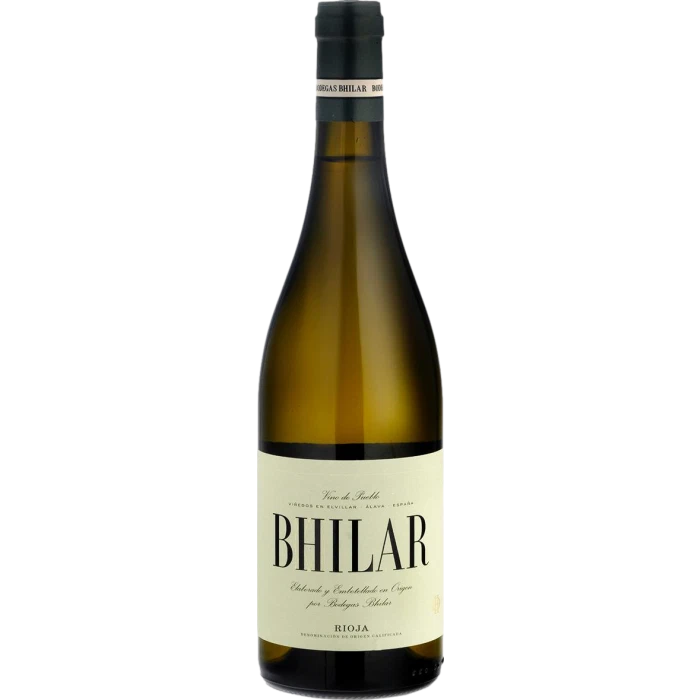
First up, the Bhilar Plots Rioja Blanco (All About Wine £18.99). White Rioja used to be a heavy, ponderous wine with more oak than Sherwood Forest and all the energy of an elderly sloth. Modern white Rioja, however, can be fresh and zesty, majestically mellow, or rich and oaky, offering wonderfully diverting wines in every style. The Bhilar is at the lively end of the spectrum. Made from 90% Viura with 10% Garnacha Blanca adding richness, it offers a fresh, appetising nose of lemon, green pears, and ginger, with a touch of peach and honey. In the mouth, it’s clean and tangy with yellow citrus and stone fruits nicely offset by marzipan and a steely, mineral finish. A stylish aperitif, it also pairs well with aromatic Oriental foods.
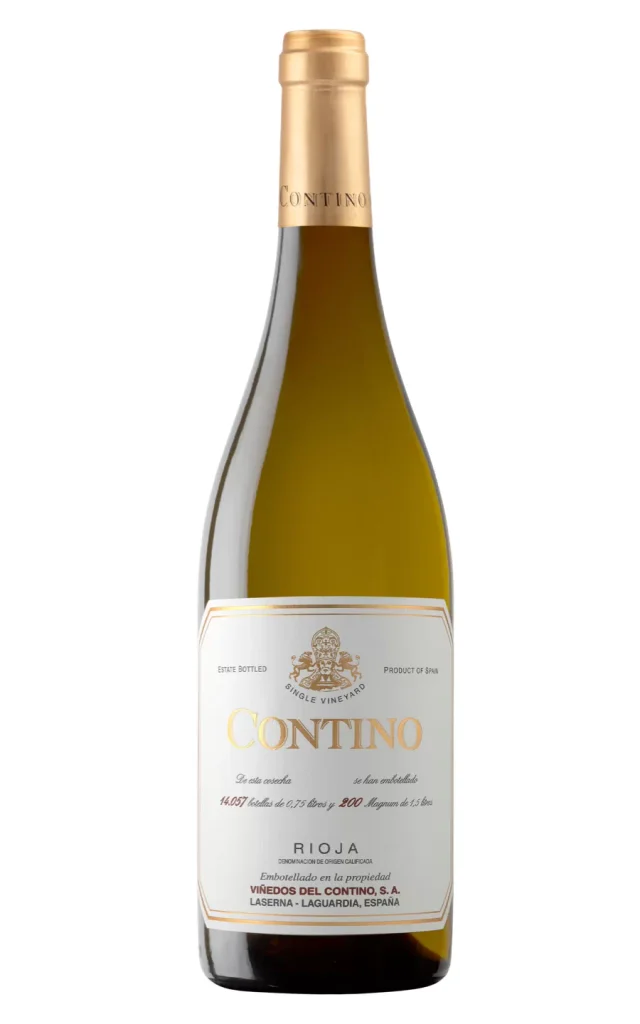
If you’re in the mood for a white that combines sophistication with concentration, then try the Contino San Gregorio Blanco (Vinum £28.20). I’ve long considered Contino to have the Midas touch – almost literally in the case of this white golden stunner – and while its reds get most of the acclaim, its whites are just as compelling. This treads a fine line between weight and delicacy, tradition and modernity, and is made from old (35–40-year-old) vines that add significant complexity. Fragrances of apple blossom and acacia are supported by buttery oak, giving an intricate, unshowy introduction. The palate is equally intriguing. Pear, apple, yellow plum and grapefruit are rounded off by toasty vanilla, and while there’s intensity here, it’s presented in a graceful fashion. I’ve always found this to be at its best after it’s had time to breathe and when served with white meat or fish
In striking contrast, we have the Faustino Gran Reserva Blanco (Waitrose £20). Four years in oak and the (unusual) addition of Chardonnay make for a rich, spicy wine with bags of character. Loaded with stone fruits and with a generous seasoning of tropical and buttery notes, this could easily have become one of those old-school white Riojas that overwhelm. Modern winemaking and a keen eye for detail have kept it bright and balanced, though, giving it a best-of-both-worlds unctuous and clean character that had me coming back for more.
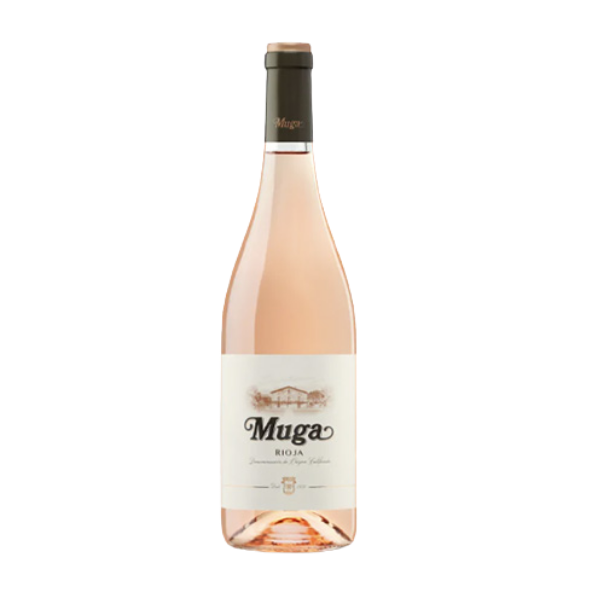
Rioja rosé remains one of the wine world’s great affordable joys. Again, the range is wide, from nothing-to-worry-about quaffers to serious examples that can develop in the bottle for many years. Two of my current favourites are the Casa La Rad Solarce (Perfect Cellar £14.95) and the Muga Rosado (Majestic £14.50 or £12 on a mixed six).
The Solarce, like all Casa La Rad wines, is meticulously made and lets the grapes do the talking. Ghostly pale, the bouquet is a cleansing mix of red berries, white currants and cherry blossom. Immediately fresh and crisp, as you sip it, blackberry and cherry stone flavours add depth to its bright and breezy berry nature. At the finish, there’s a touch of mint, and dusty minerals bring it to a dry, firm end. Enjoy this with smoked fish or pink lamb.
Muga isn’t just one of my favourite Rioja producers; it’s one of my favourite producers, full stop. Everything they make, from their creamy, scented white to their magnificent reds, the pick of which is the ‘Selección Especial’, is so generous and nuanced that they always delight. The Rosado is mid-pink and offers scents of crushed cherries, loganberries, rhubarb and almond paste. Textured and juicy, there’s ripeness to the berry fruit, and while the acidity is cleansing, it’s not bright or intrusive. I’ve had this on its own, with seafood, pork and Thai dishes, and it’s always paired brilliantly.
Of course, when most of us think of Rioja, it’s red wines that come to mind. The number of grapes, multiplicity of sites (Rioja is blessed with a bewildering array of microclimates and soils), and winemaking techniques mean you could drink Rioja Tinto every day of the year and never have the same wine twice – one of my tasks for my retirement. The following gives a flavour of the diversity that’s currently on offer.
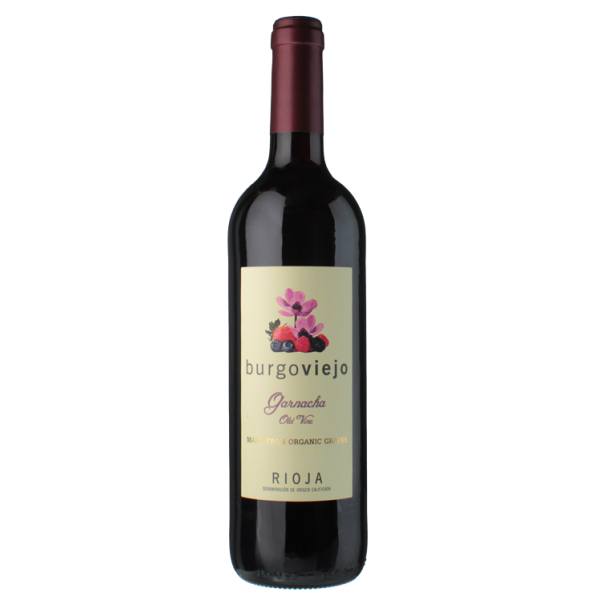
The 18th of September was International Grenache Day (did you put out bunting?), and as part of my celebrations, I tasted a flight of wines including the Bodegas Burgo Viejo (Vinatis £8.95). Awarded 90 points by the legendary critic Robert Parker, this joyous little wine is simply lovely. Made in the ‘Joven’ style without oak ageing, it’s purple-hued and full of energy. Fruits of the forest, cherries, wild mint, chocolate, and tangy red berries fill this medium-bodied, soft-hearted wine that has a deliciously fresh, zesty feel. Perfect for a mid-week pizza or bowl of pasta, it’s a lot of wine for very little money.
Brilliance on a budget can also be found in the Beronia Reserva (Majestic £17.50 or £16.50 on a mixed six). While I love the juicy intensity of the Beronia Crianza (Majestic £12.50 or £11.50 on a mixed six), the richness, depth and concentration of the Reserva make it well worth the extra money. Beronia is a modern estate; it was founded in 1973, and its wines offer a modern take on the classics. The Reserva is inky purple and has a fantastic nose of crushed black fruits, charcoal, wild herbs, spices and smoke. Concentrated and enthusiastic, on tasting it there’s a rush of smoked blackberries with an undercurrent of earth, toast, peel, and flowers. Give this a couple of hours open and serve with a steak or rich tomato-heavy dishes.
The Marques de Murrieta 2019 (Vinum £27.55) is about as traditional as Rioja gets. Long oak and extended bottle ageing have produced a powerful, sensuous, indulgent wine. 20 months in cask could easily produce a wine that’s all wood and no fruit, but the exceptionally high-quality grapes used to make it allow it to absorb the woody, oxidative elements and emerge as greater than the sum of its parts. Exotic, hedonistic, and vibrant, black fruits, creamy vanilla, prunes, orange zest and sage are just some of the aromas and flavours present in this Christmas cake-rich confection. Still young, it needs air to bloom, so serve it with hearty meat and cheese dishes.
For many, Gran Reservas are Rioja’s greatest wines. Requiring at least two years in oak and two to three years in bottle before release, they’re only made in fine years. While I find many too woody and with a tendency to excessive oxidation, wines like the Faustino I Gran Reserva (Tesco £18.50) balance fruit and secondary characteristics beautifully. Ruby red, aromas of cherries, tobacco, cinnamon and cocoa offer a fitting preamble to the luscious, weighty palate. Cooked black and red berries, butter, blackcurrant boiled sweets, citrus peel and bitter chocolate come together seamlessly, giving a satisfyingly weighty wine that isn’t overwhelming. Serve this with roasted red meats, mushrooms, or charcuterie.
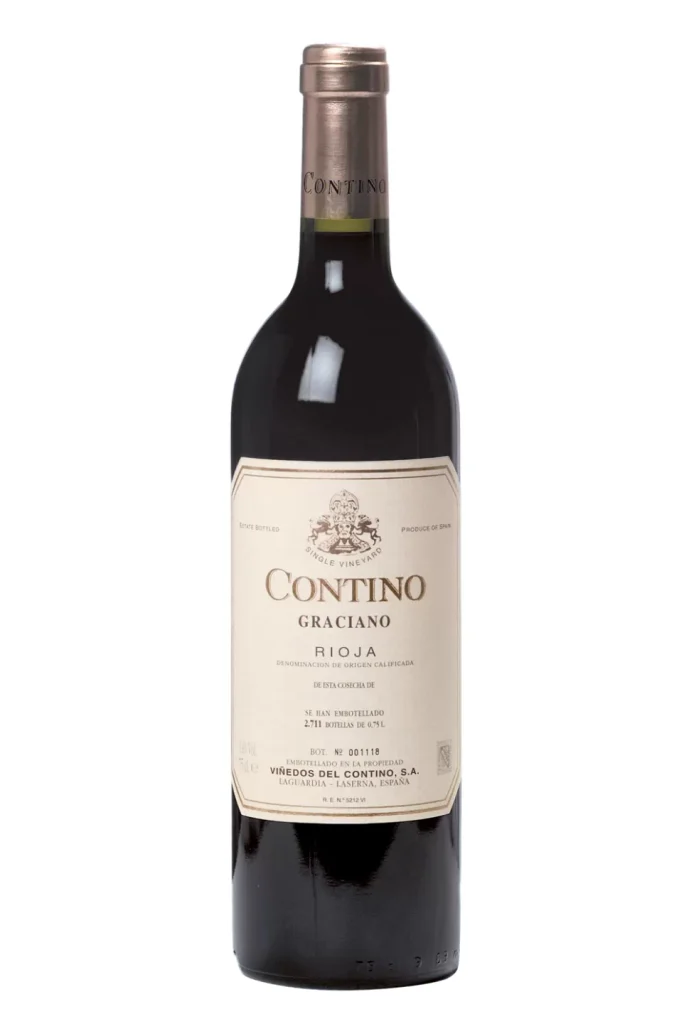
The Contino Graciano (Vinum £48.40) is a rare example of a varietal Rioja made from Graciano. Graciano is a low-yielding vine giving bold wines with fantastic concentration and great ageing potential. This is certainly the case with the Contino. Blackberry, raspberry, and spice notes rise from the glass, and the expansive palate offers blackcurrants and blackberries, black cherries, plums, and savoury notes of leather, tobacco, and dark chocolate. On the long finish, grippy tannins and redcurrant freshness bring things to a cleansing conclusion. Unusual and fascinating, this is a wine every Rioja lover should experience.
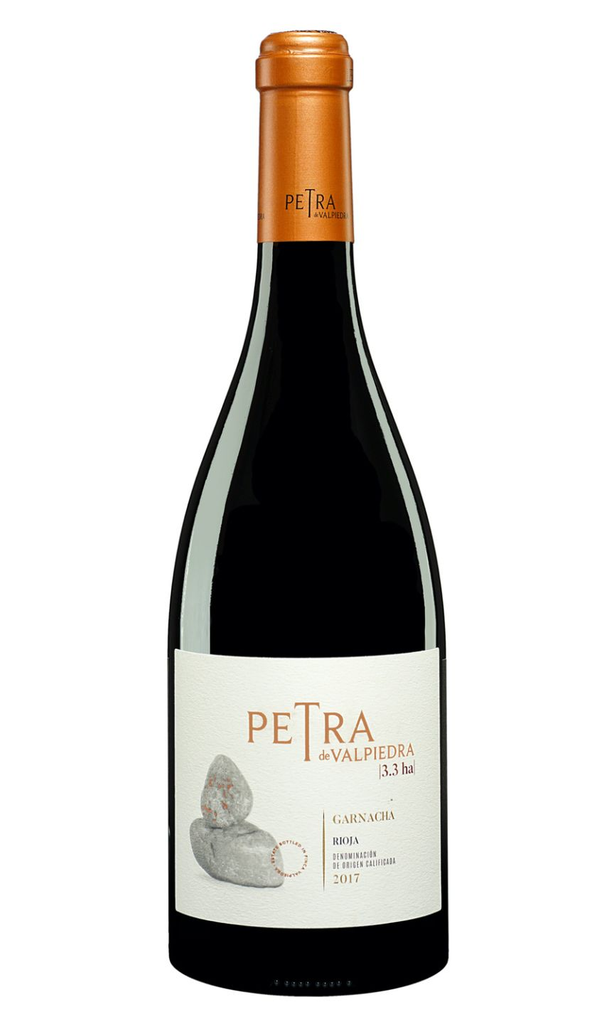
The Finca Valpiedra Petra de Valpiedra (All About Wine £46.99) is a wine that takes me back to my earliest trade days when I was introduced to the magnificent Riojas of Martinez-Bujanda, the family who own this extraordinary estate. Being 100% Garnacha, you could be forgiven for thinking this would be a lighter, softer style of Rioja made for early drinking. Nothing could be further from the truth. Deep ruby, the bouquet is an entrancing mix of cassis and wild red berries with creamy oak and orange peel at the periphery. It’s immediately fresh and tangy, with strawberries and red cherries vying for your attention, while mulberry, plum, and red pear flavours lie in the background. The finish is dry and fresh, the rounded tannins and boiled sweet aftertaste calling you back for another sip. The ideal partner to paella or charcuterie, this is breathtakingly good Garnacha.
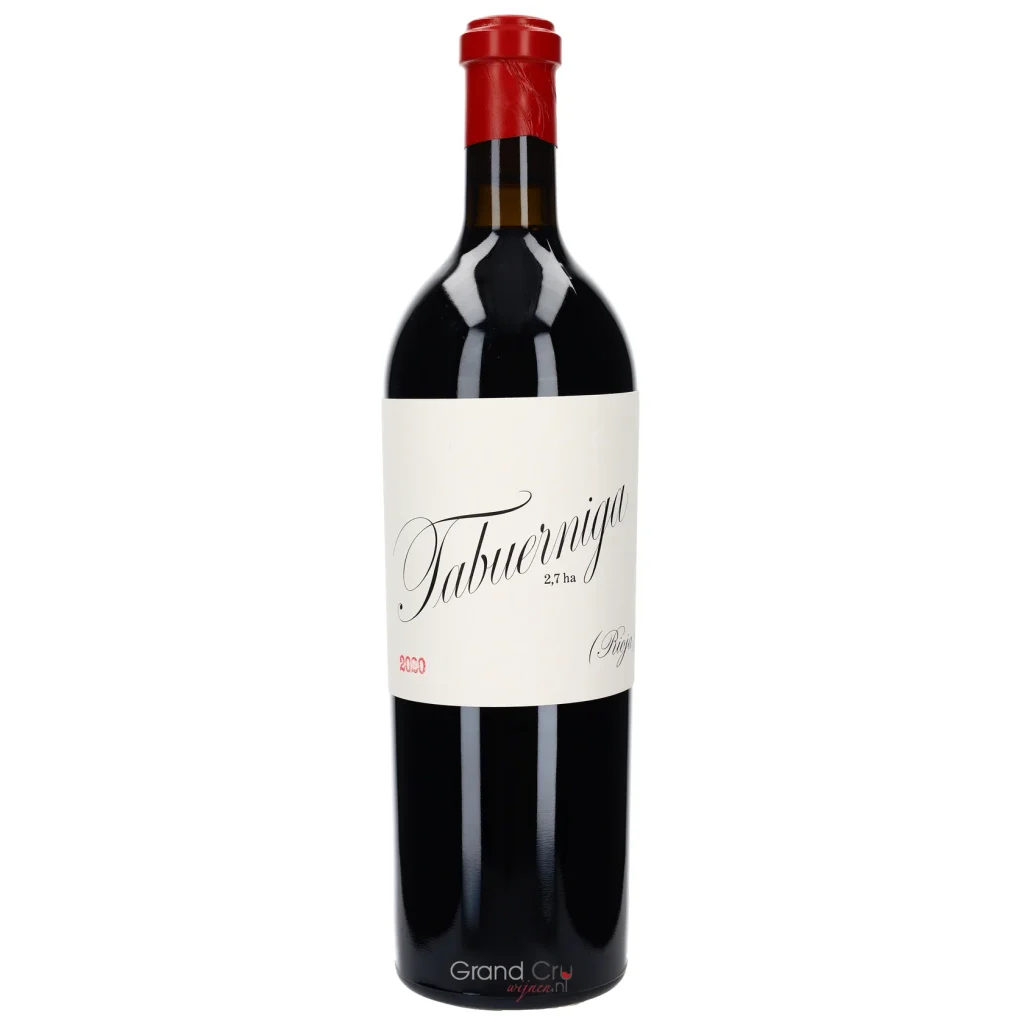
I’ll finish with a wine that warrants its 98/100 score from The Wine Advocate: the Bodega Lanzaga, Tabuerniga Rioja 2020 (NY Wines £82.95). The brainchild of one of Spain’s greatest winemakers,
Telmo Rodriguez, its fragrant blend of wild herbs, dusty earth, olives and woody spices, it’s wonderfully evocative of its origins. Cherry red with a silky, polished feel, it offers delicious tones of red berries, cherries, aged balsamic, woody spices and blackberries to the finish. Powerful yet refined, decant and enjoy this now with fine foods or stash it away for another decade or more.
In need of some half-term crafting fun? Kerry Brent from Kerry’s Creative Corner shows you how to make a Spider Web Nature Loom.
Autumn is here, the spiders are making their way inside and Halloween is at the end of this month. With the nights drawing in and all those golden treasures out there to find, this spider web loom is a lovely one to make at the kitchen table.
Resources:
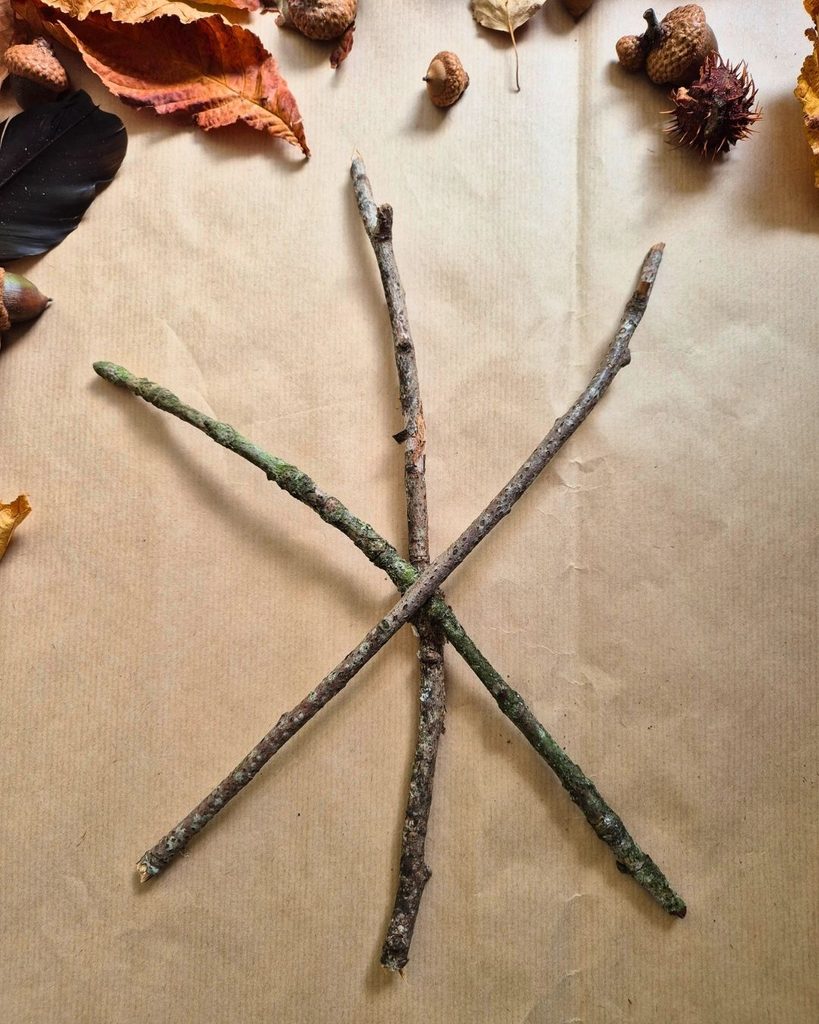
3 sturdy sticks, roughly the same length Natural twine Autumn treasures, like acorns, conkers, autumn leaves etc
Step by step:
1. Make the frame
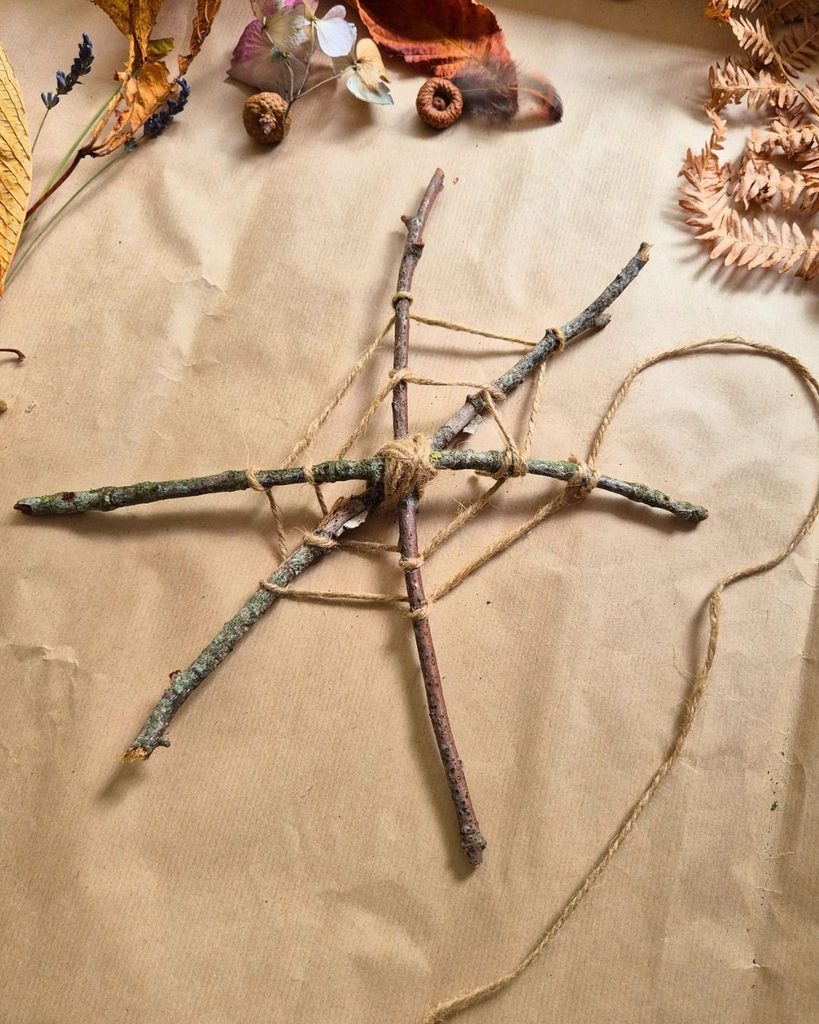
Lay one stick at a 12–6 position (like a clock face), then a second stick at 2 and 7, then a third stick at 10 and 5. Wrap twine tightly round the middle, going round several times until it feels secure. Doesn’t need to be neat, just sturdy. You’ll end up with six spokes and the base of your web.
2. Start weaving
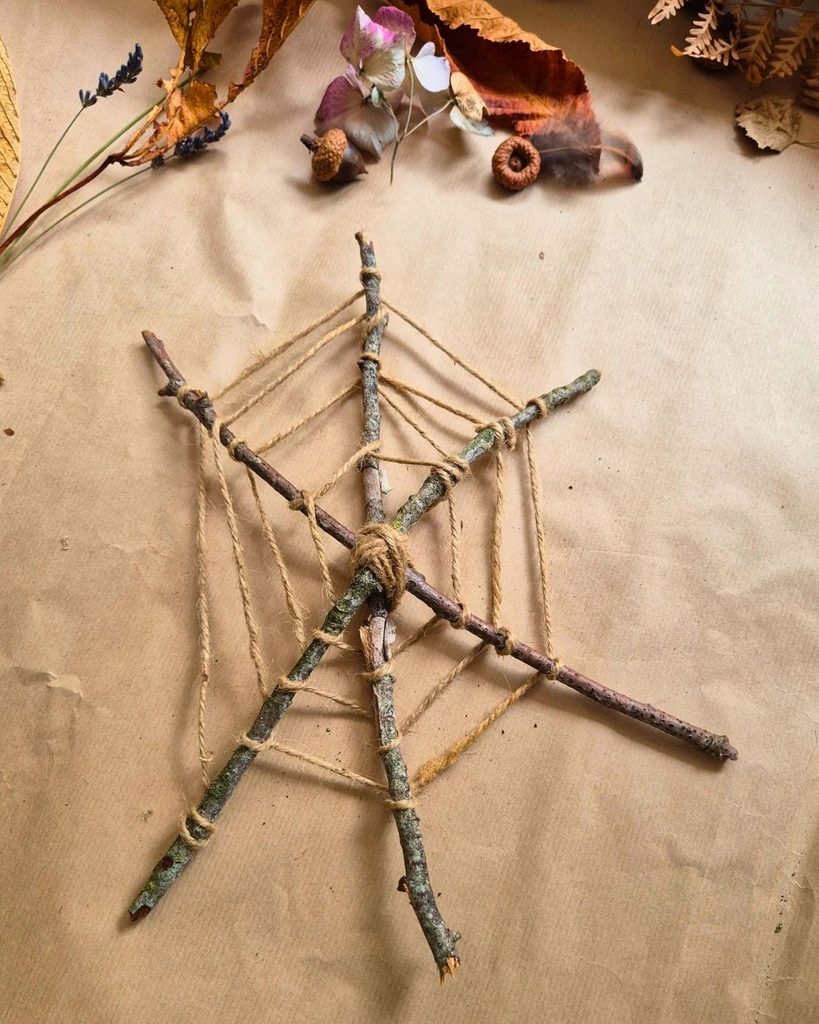
Begin close to the centre. Tie a knot around a stick, then take the twine under, then over each spoke as you go round, so it catches and holds. Work your way right round in a full circle, then tie a knot, or carry straight on into another round with whatever twine you’ve got left.
3. Build the web
Move out a few centimetres and start again, using the same under-over pattern on all six sticks. Keep adding rounds until you’re near the ends. Don’t measure the gaps, let them stay organic.
4. Add your treasures
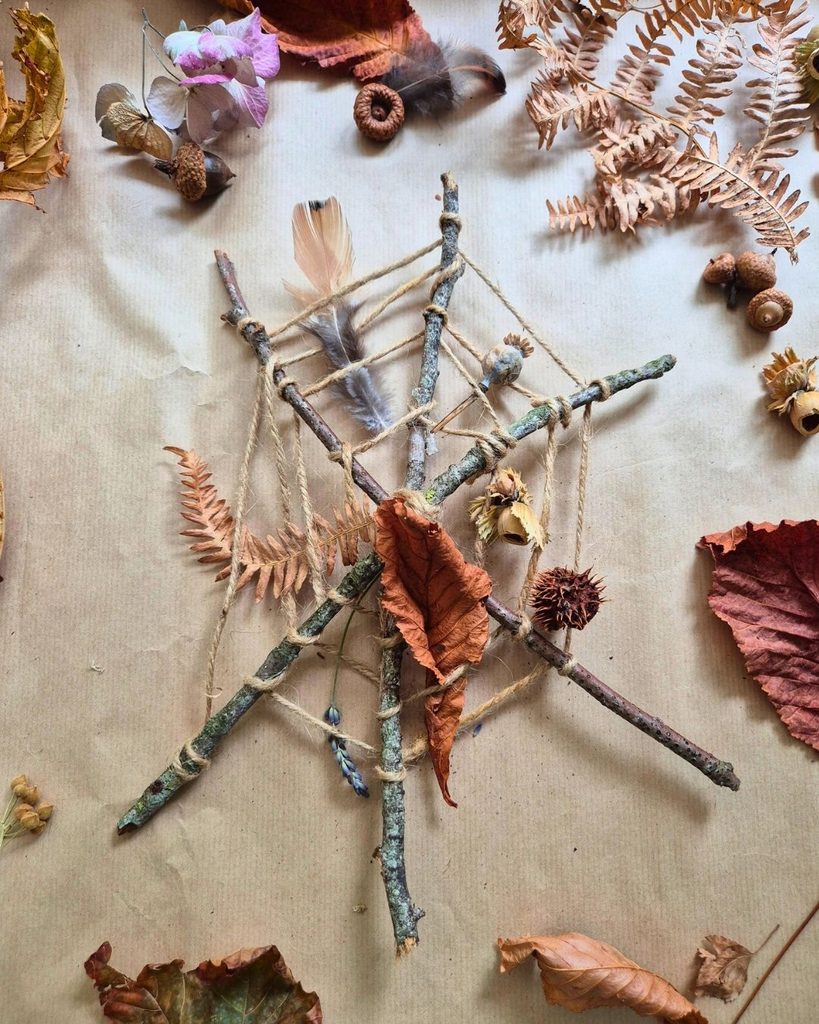
Weave in golden leaves, acorns, conkers and other bits you’ve collected. Bigger pieces might need weaving through a strand or two to stay put. Rearrange things around until you’re happy with the web.
5. The finished piece
Loop some twine through the top and hang it on the wall or prop it on a shelf. It might even attract a real spider looking to make a home in it, which is perfect for Halloween decor, or it’s just as nice as a reminder of the season. Each one comes out a bit different, and that’s the bit I like best.
Kerry is Head of Art at a school in Surrey, with over 15 years’ teaching experience. She also runs Kerry’s Creative Corner, where she shares nature-inspired craft ideas for children and runs art classes, home ed classes and workshops across Surrey.
As the days draw in and the air becomes crisp, Round & About magazine’s resident wine columnist, Giles Luckett, recommends the best wines for cosy autumn evenings.
With summer officially over, even if the sun didn’t get the memo, it’s time to celebrate the season of mists and mellow fruitfulness. Or if 2026 continues as it is, with smoke from wildfires and alarming scarcity.
So, with Keats’ love of wine in mind, here are a dozen autumnal wines to fall for.
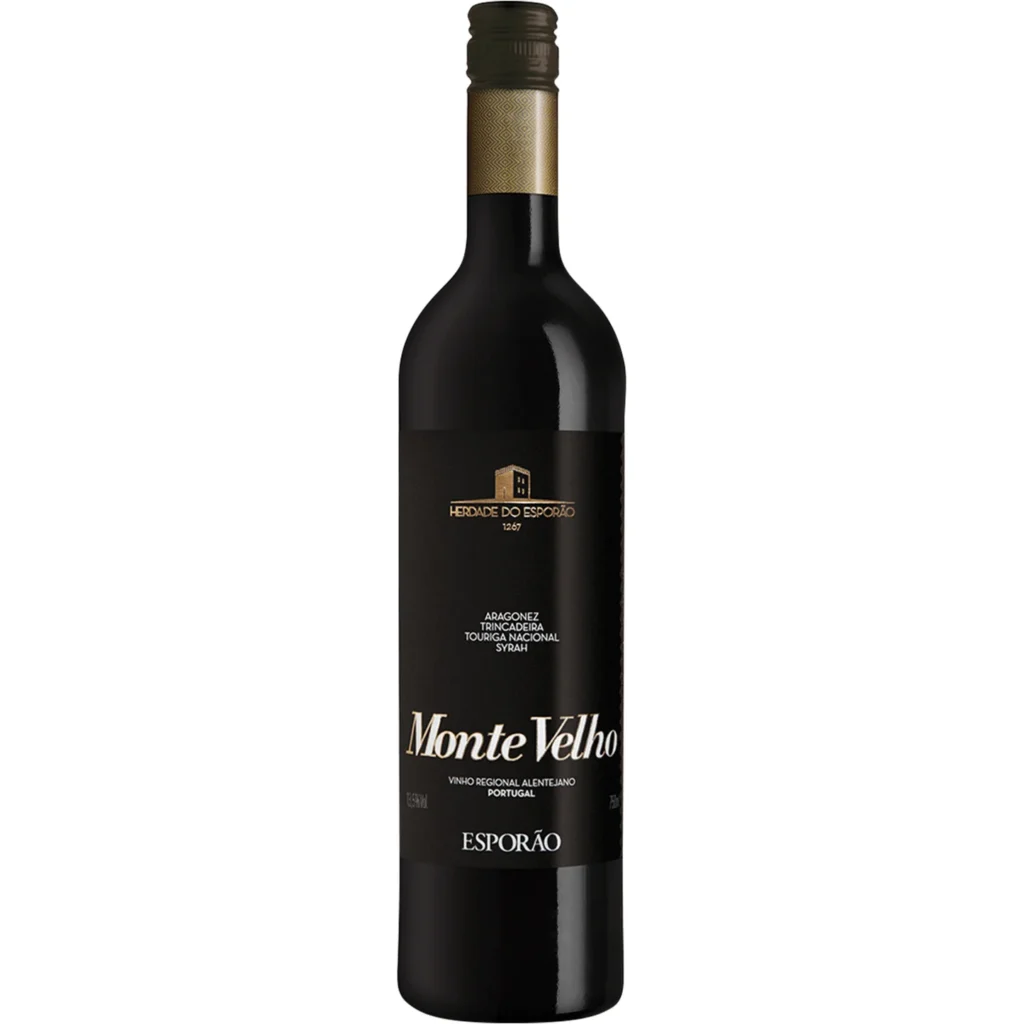
First up, Esporao’s Monte Velho (Noble Grape £9.50). Esporao was my winery of the year in 2024, and this is another gem. Gentle and generous with an unexpected lightness of touch, it’s berry-driven with complexity added by prunes, sage, and a touch of tapenade on the finish. Another example of a great Portuguese wine; try this on its own or with lamb or game birds.
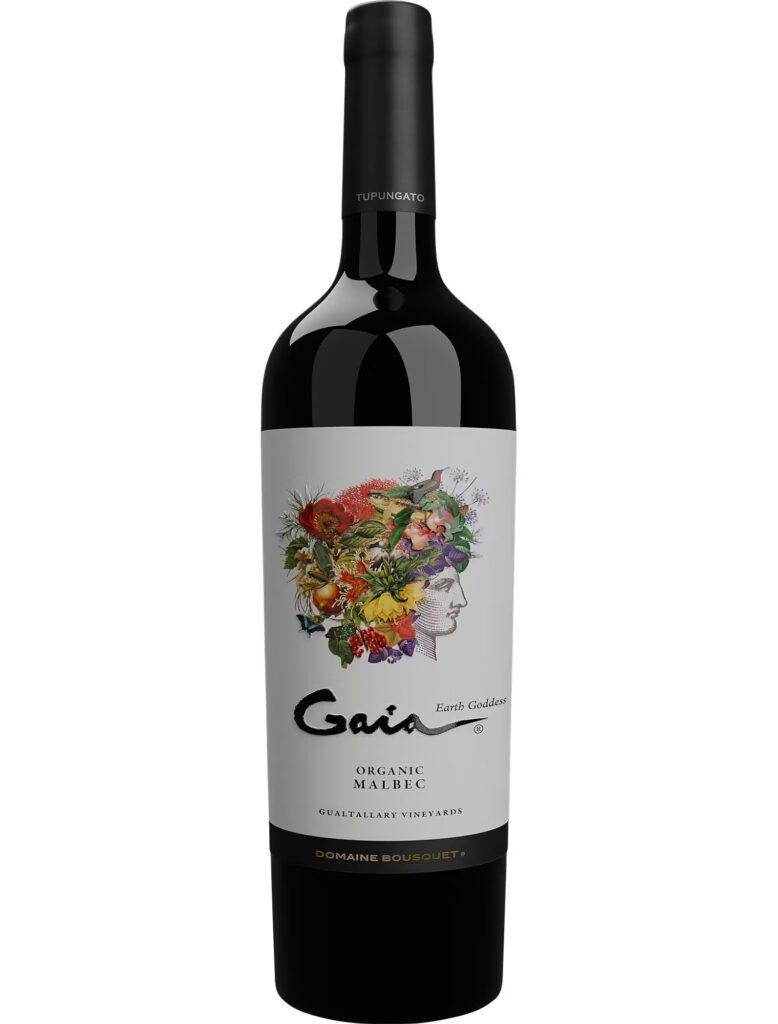
Next up, the Gaia Malbec from Domaine Bousquet (Waitrose £18). This is a beautifully composed, fragrant Malbec that effortlessly delivers black fruits, cherries, spices, and its signature floral lift. Medium-bodied and refined, toward the finish, a seam of minerals and rounded tannins adds structure and length. I found it the perfect foil for red meats or tomato-heavy dishes.
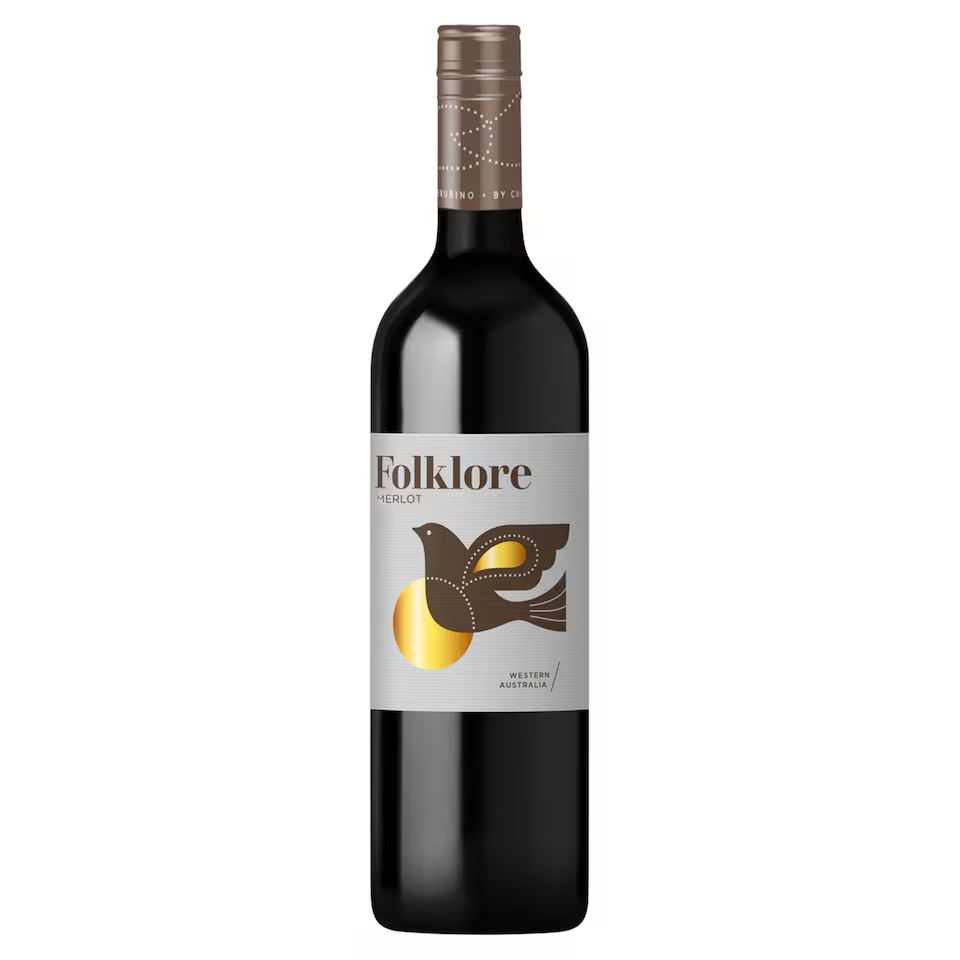
If you are thinking of firing up the BBQ for an Indian Summer cook-up, then crack open a bottle of the Folklore Merlot (Tesco £10/£8 with a Clubcard). This Western Australia wine is a little cracker. So much Aussie Merlot is gloopy and lazy, but this is crisp and full of energy. Deep purple, it blends plums, cherries, raspberries, chocolate and spices in a tangy, refreshing fashion. Just the thing for rosemary-infused lamb steaks.
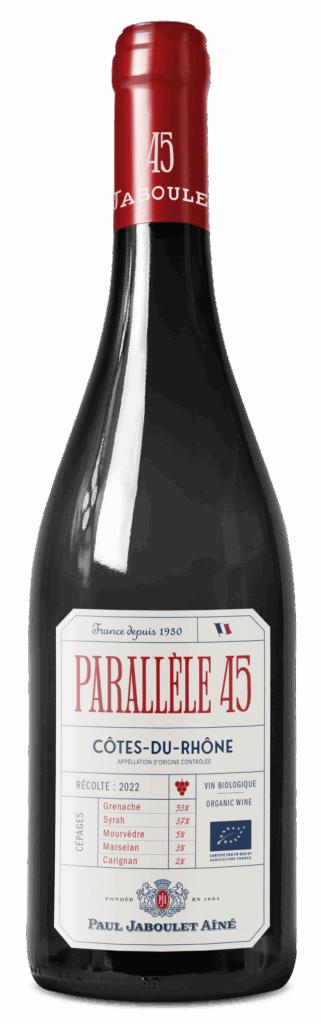
The French know a thing or two about red wines, or so a bloke in the pub told me last week. Tasting the Parallèle 45 (Majestic £14/£13.50 on a mixed 6) makes me think he had a point. Weighty with plenty of red and black berry flavours with plum, bramble, and spice notes, give it a light chill and summer berries and flowers come forth, making it a delicious partner to smoked fish or cold meats.
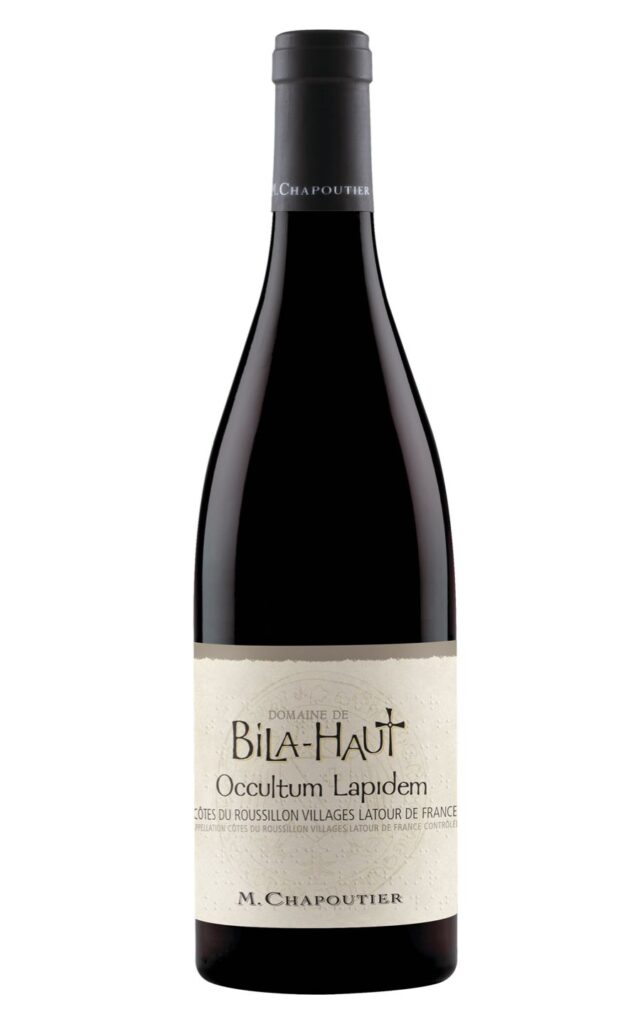
Heading south into the Roussillon, we have the Bila-Haut Occultum Lapidem (London End Wines £20). This stonking wine combines power and intensity with freshness and finesse. Dried black fruits, smoke, leather, and seductive aromas of pepper and herbs are followed by a mouth-filling combination of blackberries, damsons, and black cherries before raspberries ride in on the firm finish. Châteauneuf-du-Pape lovers, take note.
Provence is best known for its rosés, but I often find the reds are where the real excitement lies. Take the Domaine de la Croix Eloge (Perfect Cellar £29.95). This Grand Cru Classé blends Syrah and Mourvèdre to give an intense, juicy red offering layers of blackberries, strawberries, blackcurrants, and cherries, with pepper and toasted vanilla. A serious wine, savour it with wild mushroom risotto or a baked camembert.
Bordeaux has had a torrid year. Wildfires have threatened the region as temperatures reached an unprecedented 107°F. While it’s too early to say how the harvest will turn out, fears of smoke taint are rife; other hot years such as 2022 produced wonderful wines such as the Right Bank 2022 (Perfect Cellar £39.95). Claret was Keats’ favourite wine, and I’m sure he’d find suitably honeyed words for this fascinating wine. Produced from Merlot and Cabernet Franc from a selection of right-bank communes including Saint Emilion and Pomerol, it’s big, juicy, exotic and refined. Inky blue-black, aromas of plums, cherries, crushed rocks, and liquorice rise from the glass. Medium-bodied and refined, layers of black berries, plums, chocolate, vanilla, and Asian spices make for a superb young claret. Drink now with roasted meats or hold for another 5-7 years.
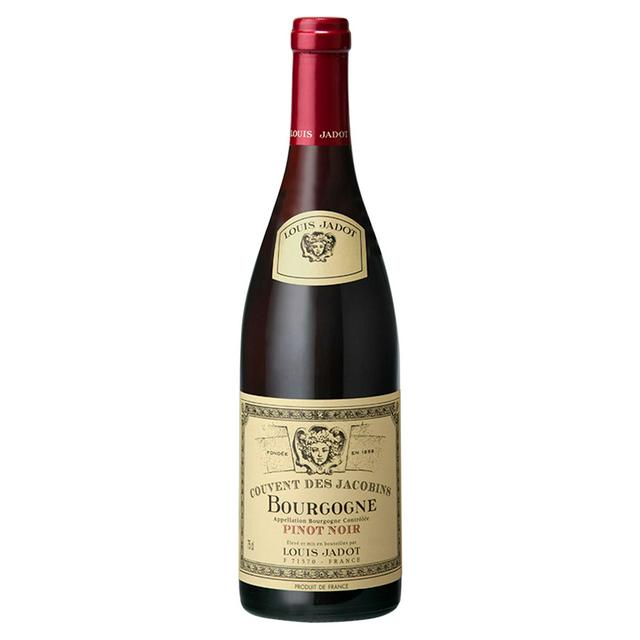
Pinot Noir encapsulates autumn for me, and while I’d like to recommend the Romanee Conti 2022, I won’t, as a) I haven’t tried it and b) at £21,000 a bottle I’m not likely to. Instead, I’ll give a thumbs up to the LouisJadot Couvent Des Jacobins Pinot Noir (Sainsbury’s £21 or £18.50 with a Nectar Card). This is the best value red Burgundy I’ve tasted this year. Deep ruby, complex aromas of summer and autumnal fruits, married to oak and tart, sour cherries. The palate conveys everything from strawberries and loganberries to cherries and mushrooms with an effortless air, giving the impression that the winemakers have left its natural beauty shine through. Give this a couple of hours open and pair with mushrooms, steak and ale pie, or gammon.
If you need a lift as the nights descend, try the Leone 2021 Cabernet Sauvignon (Perfect Cellar £21). Aussie Cabernet can be a little forthright, in the same way that Gordon Ramsay can be forthright when presented with an overcooked turbot. The Leone is a jolly charmer of a wine. The usual bold black and fruits, eucalyptus and green pepper, earth and spices are all there, but the intensity’s been turned down, allowing a subtle filigree of citrus, cinnamon, and grilled meats to come into the equation. A super sipper; enjoy this with lasagne, herby sausages or roasted veg.
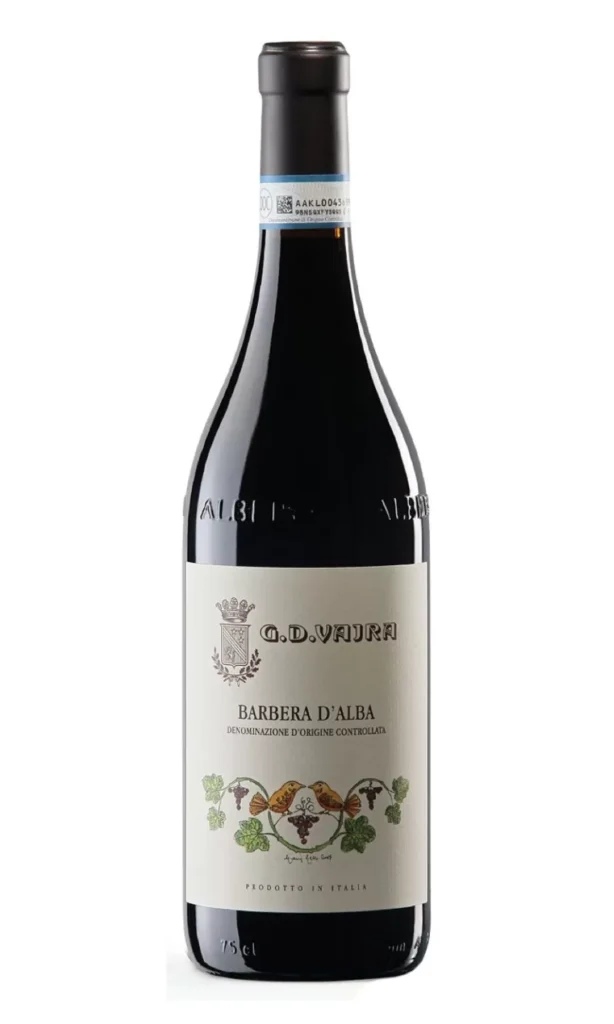
Italy is probably the most exciting wine nation on earth right now. Innovation within established regions and the emergence of new ones has created a vibrant scene with so much to enjoy. The perfect example of innovation in a classic region is G.D. Vajra in Piedmont. Founded in 1973, this family-owned estate makes classical wines with a modern outlook. Their G.D. Vajra Barbera D’Alba 2025 (Vinum £23.90), for example, shows considerable freshness and focus, while maintaining Barbera’s natural enthusiasm and weight. The nose offers red berries, plum jam, and tobacco. The first sip brings a surge of cheering cherries, mulberries, black pepper and fresh, tangy raspberries. This exuberant opening is followed by subtle tones of coffee, smoke and minerals, before the firm, taut finish brings things to an elegant end. Brilliant on its own, it’s perfect for all manner of hearty Italian dishes and is guaranteed to bring a smile to your lips.
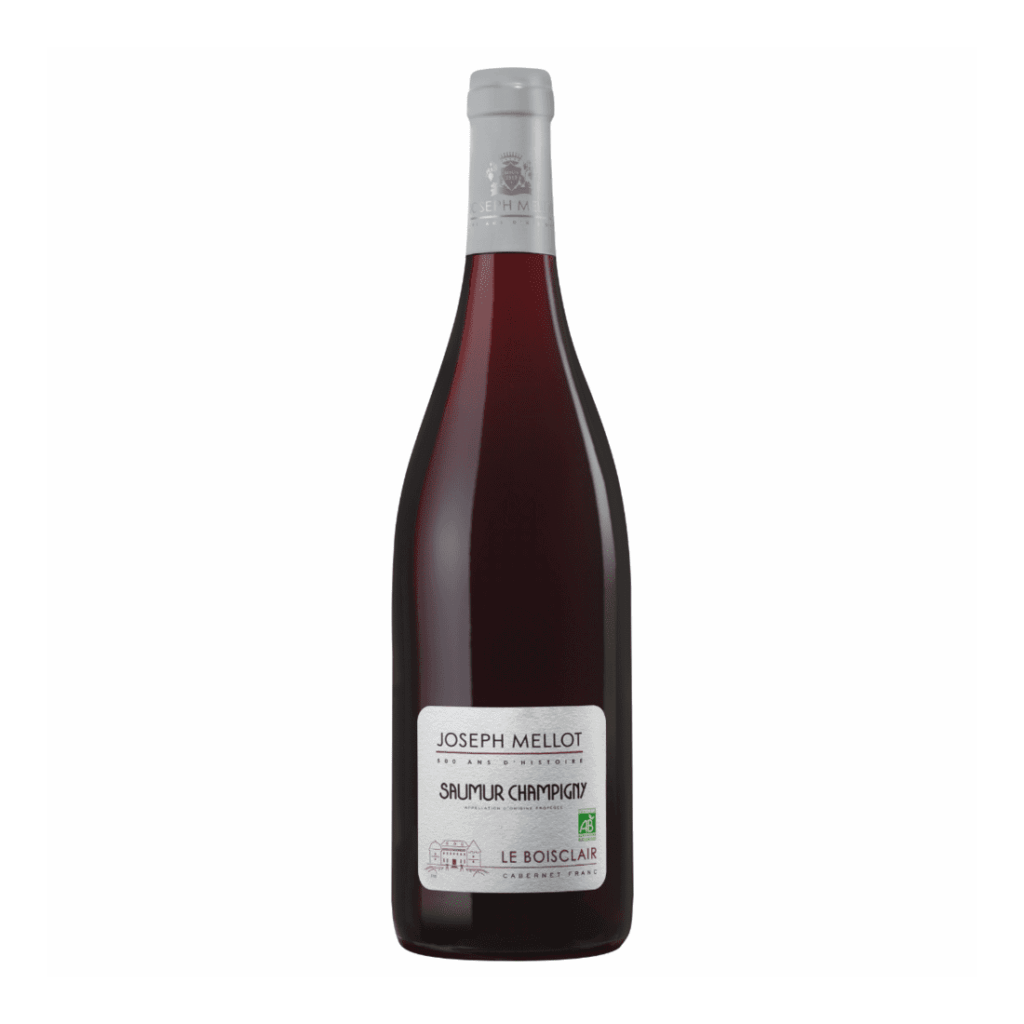
Next, a wine I wouldn’t have drunk, let alone recommend ten years ago.Saumur-Champigny is a red from the Loire made from Cabernet Franc. Until climate change got its hot hands on the region, this meant growing a naturally green and tangy grape in a cool, marginal climate. The results were invariably harsh, acidic, and stalkier than a freshly combined wheat field. Things have evidently changed, as the Saumur-Champigny Le Boisclair, Joseph Mellot 2023 (Noble Rot £17.50) is a delight. Deep purple, the nose offers a classic mix of leafy blackcurrants, strawberries and black and green pepper. In the mouth is smooth, soft, and plump. At the periphery, there are green notes, but these just go to show the berry fruits in an even better light. I had this chilled (with chèvre) and at room temperature on its own, with equally impressive results.
I’ll finish with the best Rioja I’ve tasted this year (and it’s a crowded field), the Viña RealGran Reserva 2018 (Hic! £32). Made only in the finest years, aromas of summer pudding, toast, and sage are followed by bold blackberry, cherry, and cranberry fruits, minerals and mint, orange zest and vanilla smoke. Remarkably easy to drink for a wine of such tender age, give it a couple of hours open and serve with sausages, roast beef, or a hearty vegetable stew.
This month gardening expert Cathie Welch answers questions on drought and trees losing their leaves early
Heat and drought: Following the very wet spring all the trees and shrubs burst into life only to be punished by the hottest and driest summer on record. As a tutor I am always talking about the importance of water in plant growth as without it they die. Not only has it been exceptionally dry there have also been extremes of temperature and as a result many different problems have arisen.
New planting: When we plant new plants, whether bare rooted or container grown, they need water to grow new roots to become established. This can take a few years! Establishment failure due to drought is extremely common even for ‘drought tolerant’ plants. When plants are small it is easy to reach the roots by soaking the root area thoroughly and regularly. We can also mulch with organic matter which acts like a sponge to hold onto the water for longer.
Established trees and shrubs: Once plants are established as a result of regular watering and maintenance they can sort of look after themselves. Their roots grow very deep looking for the water table and watering from above is futile. During the last few months trees have started to shed their leaves early and show Autumnal hues. This is just the trees way of conserving energy and shutting down early to prepare for dormancy over winter. Evergreens also shed leaves to conserve water as water vapour is lost through the leaves by a process called transpiration. It can also lead to dieback in future years. We can only hope next year is more positive for our plants, farmers and growers.
Cathie’s Gardening School runs gardening courses and practical workshops. Limited spaces available next year.
September brings a new school year and many of our best local schools are here to help your child thrive, including some unusual subjects to help shape modern minds
When you think of independent schools, what does that conjure up? You might picture the old-school: Latin verbs, echoing corridors, lacrosse sticks… But in 2025, as education continues to adapt to a changing world, many top schools are quietly reinventing the curriculum with a dose of modern relevance.
Today’s independent schools aren’t just nurturing future barristers and biochemists; they’re developing coders, conservationists, climbers, and culinary critics. So if you’re wondering what’s bubbling beneath the traditional school crest, here’s a look at some of the more unexpected (and exciting) offerings.
Game on
At Box Hill School near Dorking, a student-led Esports and Game Design club is taking off. “At first, it was just casual gaming after hours,” says one teacher. “Now, students are designing full game levels and competing in national Esports tournaments.” Far from being a distraction, gaming is proving to be a serious 21st-century skill, combining coding, design, media literacy and teamwork. Parents may take some convincing, but the students are all in.
Big questions, little voices
Godstowe School in High Wycombe is getting philosophical, with even its youngest pupils. The school has introduced Philosophy for Children (P4C), a discussion-based approach that uses books and real-life scenarios to explore concepts like fairness, time, and morality. “You’d be amazed at what a nine-year-old will say when asked, “Can animals have rights?” or “What is identity?’” says one teacher. “It’s like a mini TED Talk every Tuesday.”
Forest finds
At St Edward’s School (AKA “Teddies”) in Oxford, the Japanese practice of “shinrin-yoku” (forest bathing) has been introduced as part of the school’s wellbeing programme. Weekly walks in the woods, guided reflection, and screen-free time offer students a much-needed reset during stressful study periods.
Caring & sharing
The new kitchen garden farm at Frensham Heights near Farnham is home to four pygmy goats (Issy, Belle, Edith and Bea), named after their founders and a flock of different rare breed chickens. The farm sits between the junior school and the senior school hub (pastoral centre) allowing all ages, and the staff to benefit from the wellbeing effect.
Sport and outdoor education remain an important part of the Frensham offer. As well as a flashy new weights room, the high ropes in their woodland have had an upgrade with new platforms and a zipwire already added and more high platforms to follow. The extensive extracurricular programme offers archery, forest bathing, foraging, climbing, scuba, ultimate frisbee, high ropes and gardening. Climbing, wakeboarding, dry slope skiing and high ropes are also offered as games afternoon.
Material world
At Marlborough College in Wiltshire, traditional textiles have gone high-tech. The Design & Technology department is exploring smart fabrics, combining sewing and embroidery with conductive thread and microelectronics.
Robot ready
At Radley College near Abingdon, students are engineering their future in the school’s thriving Robotics and AI programme. Working with industry-grade kits and 3D printers, pupils design and build their own robots for regional and national competitions. From line-followers to maze-solvers, the challenges build coding confidence and practical problem-solving skills.
Learning buzz
At St George’s School in Ascot, biology has taken a buzzy turn. Pupils trade lab coats for beekeeping suits in a practical ecology and conservation project that’s creating a buzz. They manage their own hives, monitor bee health, and harvest and sell honey, tying the project into their business studies. The school also works with conservationists to track wild bee populations on local National Trust land.
Media magic
At Bedales School near Petersfield, students are leading their own podcast network. Discussions range from school lunches to teenage politics, all recorded, produced and hosted by the pupils. A termly radio show is also broadcast from the studio to the wider community, giving students valuable experience in script writing, sound editing, journalism and presenting.
Snow & serve
At The Oratory School between Wallingford and Reading, traditional team sports have been joined by fast-growing favourites such as Padel tennis, a fun, sociable hybrid of squash and tennis that’s sweeping across Europe. This complements the school’s existing quirky sport offerings such as Real Tennis – it is one of only four schools in the country to own a court. All pupils are coached in racquets by the Ladies reigning World Champion Claire Fahey.
Pupils also have the opportunity to take part in the school’s annual Alpine ski trip, with dedicated coaching for beginners through to advanced racers. Both activities promote balance, focus, and teamwork – with just the right mix of adrenaline and adventure.
These all reflect a deeper shift in education focused on curiosity, creativity & collaboration.
Live arts, music icons and festive cheer are all on the bill for the new season at Newbury’s Corn Exchange
Newbury Theatre Autumn Programme: Exciting Music, Comedy, Theatre & Family Fun
The Newbury Theatre Autumn Programme is packed with world-class music tributes, laugh-out-loud comedy, family favourites, inspiring talks, and fantastic theatre. This season promises entertainment for audiences of all ages, making Newbury Theatre the place to be this autumn.
Theatre Shows in the Newbury Autumn Programme
Theatre fans can look forward to a thrilling lineup as part of the Newbury Theatre Autumn Programme. The season opens with Shamilton: The Improvised Hip Hop Musical on August 28th. Audiences choose the historical figure, and the cast improvises the plot and songs live.
On October 14th, enjoy Drum, a story by two Ghanaian creatives set in 1960s London. October 21st brings Stories from an Invisible Town, a darkly comic solo show exploring childhood myths. The programme also features Revenge, After the Levoyah on November 4th, a chaotic Jewish comedy about a kidnapping plot.
Dance Highlights in the Newbury Autumn Programme
The dance offerings in the Newbury Theatre Autumn Programme blend tradition and innovation. On September 24th, witness the Kathak performance Story of One, Story of Many. Then, on October 16th, Richard Chappell Dance presents Hot House, mixing Indian classical dance with garage beats.
Music Tributes and Live Performances This Autumn
Music lovers will find plenty to enjoy in the Newbury Theatre Autumn Programme. Tribute acts include the UK Pik Floyd Experience (Sept 13th), Bootleg Eagles (Sept 19th), Emilio Santoro as Elvis (Sept 20th), The Doly Show starring Kelly O’Brien (Sept 25th), and Some Guys Have All the Luck: The Rod Stewart Story (Oct 18th).
Additionally, the season features the soulful Northern Live: Do I Love You (Sept 18th) and festive favourite Step into Christmas (Nov 15th).
Comedy and Talks in the Newbury Autumn Programme
For comedy lovers, the Newbury Theatre Autumn Programme offers performances by The Comedy Network (Sept 5th, Oct 17th & Nov 7th), Jenny Éclair’s Jokes, Jokes, Jokes Live (Sept 26th), and Matt Richardson’s Brash (Oct 9th). November features Milton Jones (Nov 5th) and Suzi Ruffell (Nov 8th).
Special talks include Adam Kay’s A Particularly Nasty Case (Sept 6th) and gardener Adam Frost reflecting on life on October 22nd. Clare Balding appears on September 16th, supporting the Old Library fundraising.
Family Shows and Festive Fun
Families can enjoy the Newbury Theatre Autumn Programme’s children’s shows, including The Very Hungry Caterpillar Show (Oct 10th-12th), Stick Man (Oct 28th-30th), Horrible Histories: Gorgeous Georgians and Vile Victorians (Oct 31st), and Dinosaurs Live (Nov 9th).
The season closes with the festive panto Robin Hood and Maid Marian from November 28th to January 3rd.
For more details of all shows this autumn, please visit here.
As summer draws to a close, the world of interior design embraces a shift toward spaces that are not only stylish but also profoundly reflective of personal taste. This season’s trends are about creating environments that stand out while providing comfort and a sense of individuality.
From luxurious textures to nature-inspired tones, here are the top trends to make your home a sanctuary of style and personality.
Luxurious textures: deep jewel tones
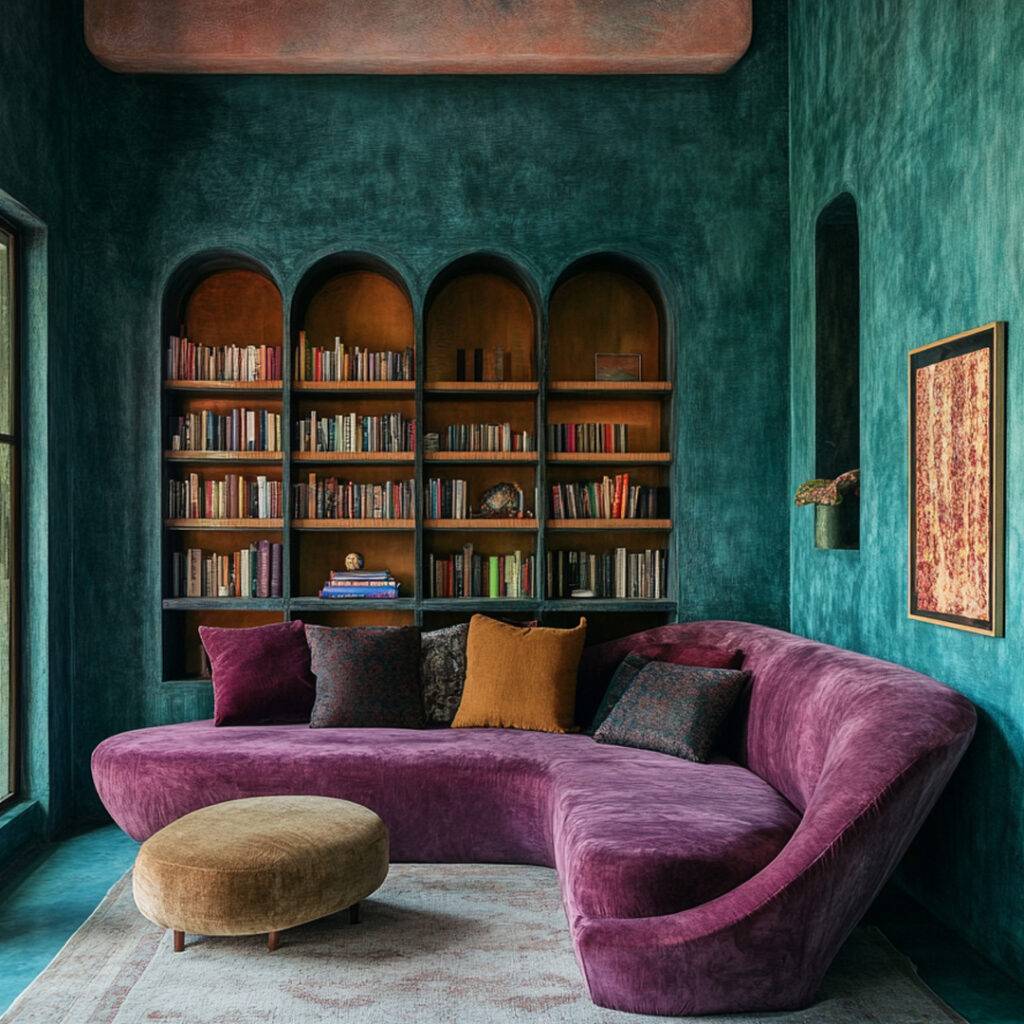
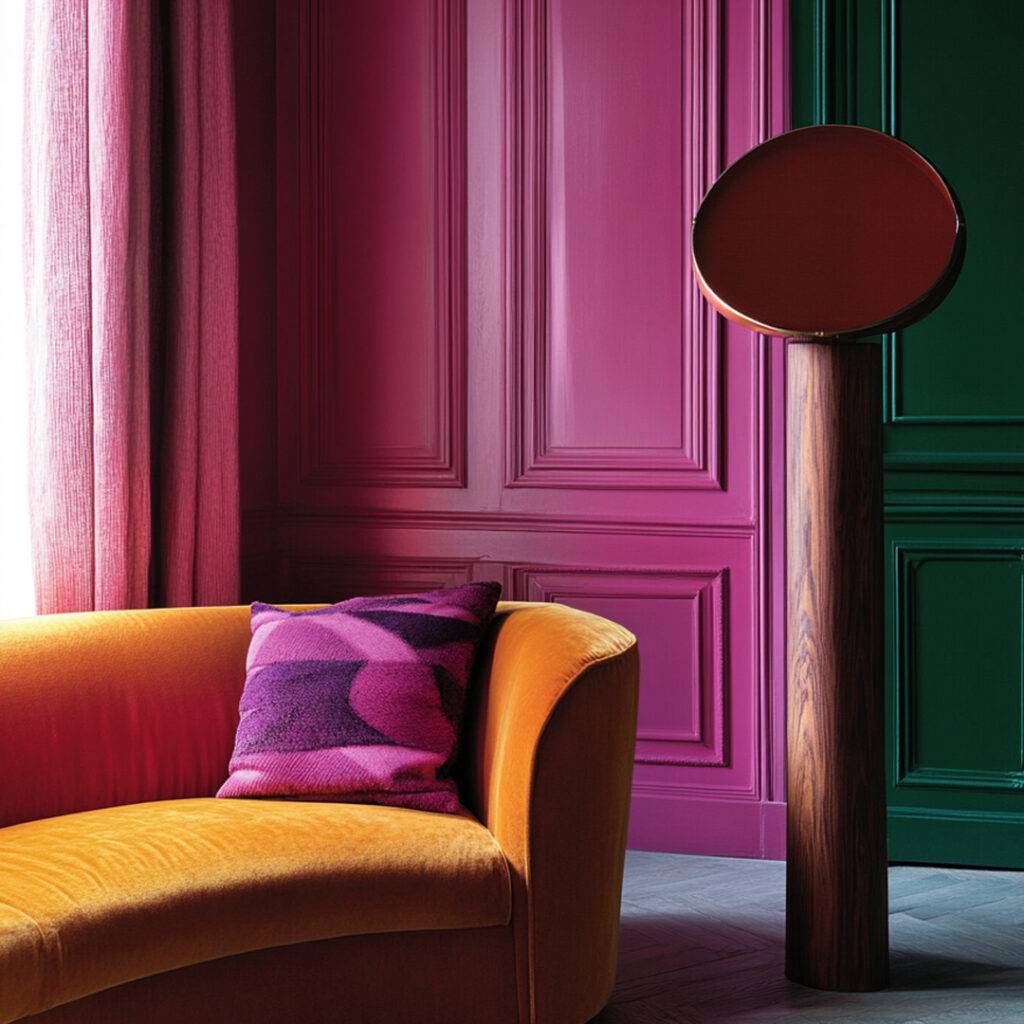
Deep jewel tones are the hallmark of the next season’s decor, brining a rich and sophisticated colour palette into your home. These bold hues – ruby red, sapphire blue, and emerald green – are not confined to small accents but are embraced in larger, more impactful ways.
Whether it’s a plush sofa, an upholstered chair, or even a statement rug, these vibrant colours add a touch of elegance and warmth to any space. The intensity of jewel tones creates a striking contrast that elevates your decor, making it both inviting and opulent.
Natural materials: wood beyond the basics
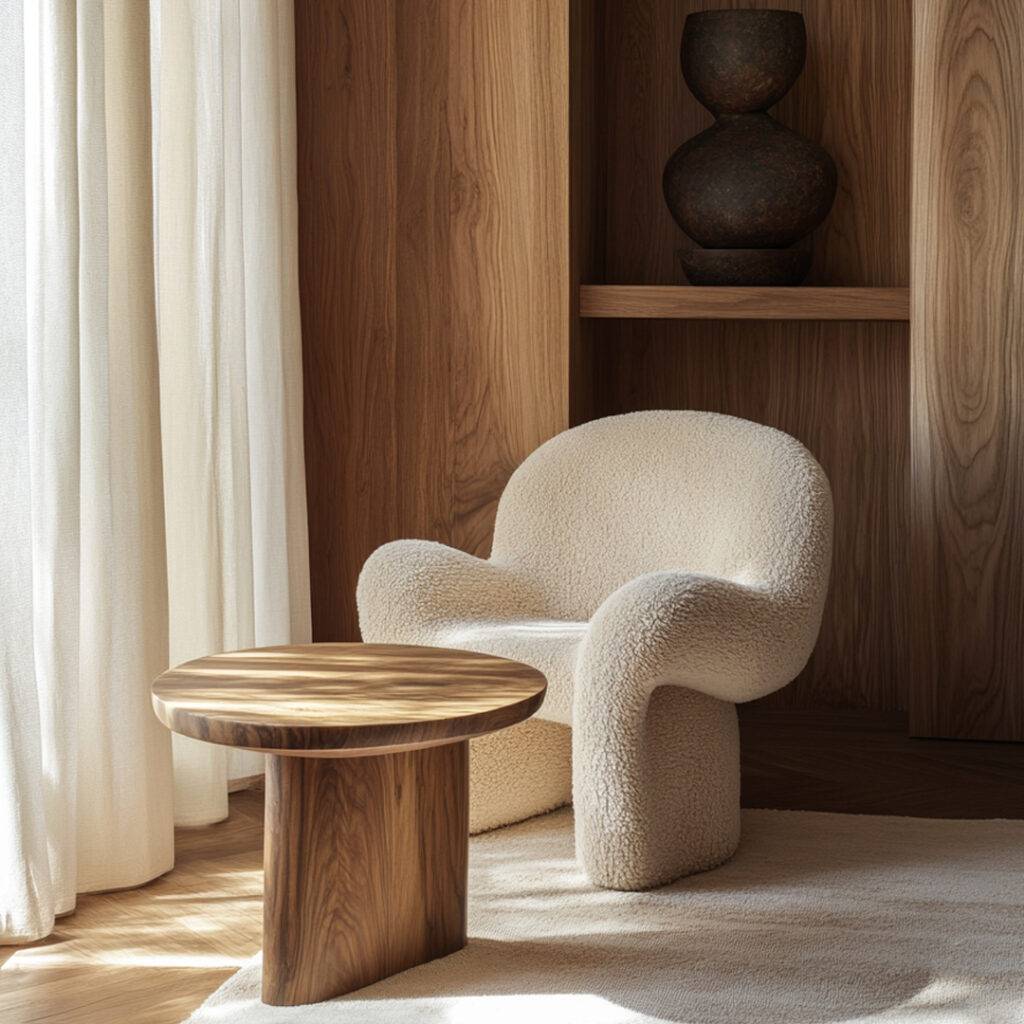
Wood is making a solid statement in Fall 2024 decor with its timeless appeal. This season focuses on high-quality, beautifully crafted wooden pieces that add warmth and a sense of wellbeing to your home.
Whether a handcrafted dining table that becomes the heart of your home or a sleek wooden side table, these elements bring enduring elegance and character to your space. Far from being mundane, these wooden pieces are designed to stand out, offering both style and durability.
They’re not just furniture but investments in your home’s aesthetic and comfort.
Warm embrace: earthy tones
Earthy tones are taking centre stage this season, bringing the warmth and tranquillity of nature into your home. Inspired by the rich palette of the outdoors, shades like deep terracotta, rich browns, muted greens and warm ochres create a cozy, grounding atmosphere perfect for the fall season.
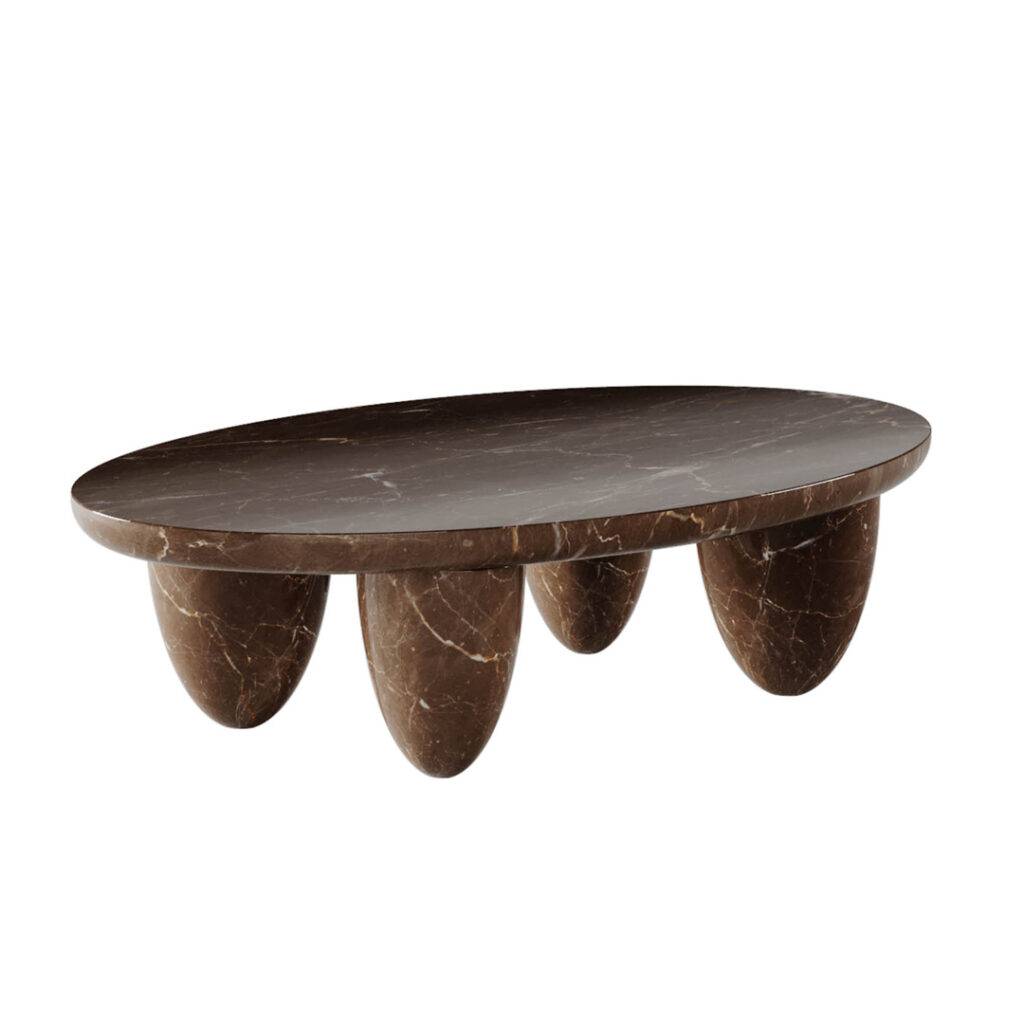
Imagine a living room bathed in a soft clay tone, enhanced by a warm nude velvet bench and a deep red marble coffee table – together, they craft a serene and sophisticated space.
Sculptural pieces: art meets functionality
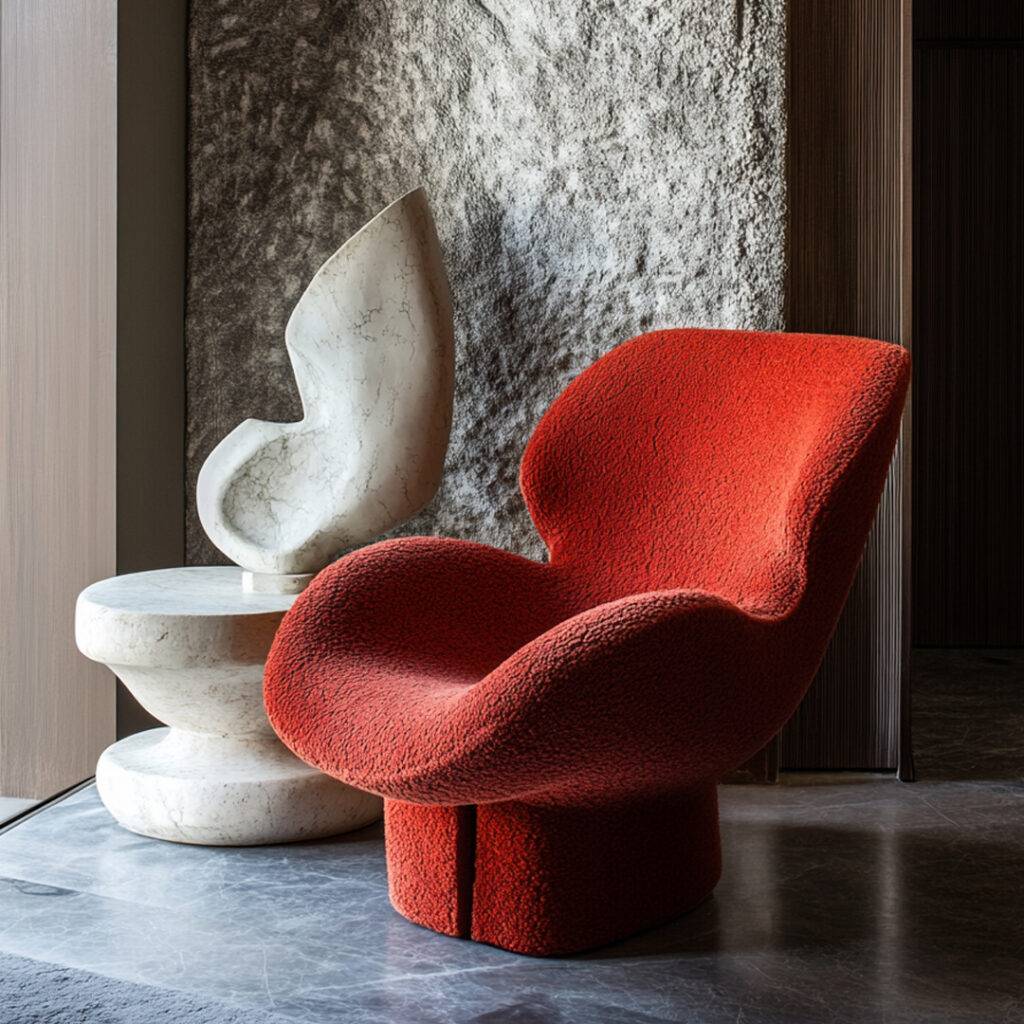
Sculptural furniture and decor are all about bold, artistic shapes that double as functional pieces. This trend brings in items like totem sculptures and furniture with striking, unconventional forms, turning everyday objects into statement pieces that define the room’s character.
These sculptural elements add a layer of sophistication and intrigue to your space, blending art with utility. Whether it’s a bold dining table with sweeping curves or a dramatic lamp, these pieces transform your home into a gallery of modern design.
Made for you: personalised & unique pieces
Personalisation is mandatory this fall, with a strong trend toward unique, one-of-a-kind pieces that reflect your style. Whether it’s an antique mirror, a handwoven rug, or a bespoke piece of art, incorporating these items into your decor adds a layer of personal storytelling to your home.
Custom-built furniture tailored to your space is the perfect way to embrace this trend. A bespoke piece doesn’t just fit perfectly. It also is a testament to your taste, making your home truly yours. These personalised touches create a space as unique as you are, filled with items that carry meaning and tell your story.
Textured designs
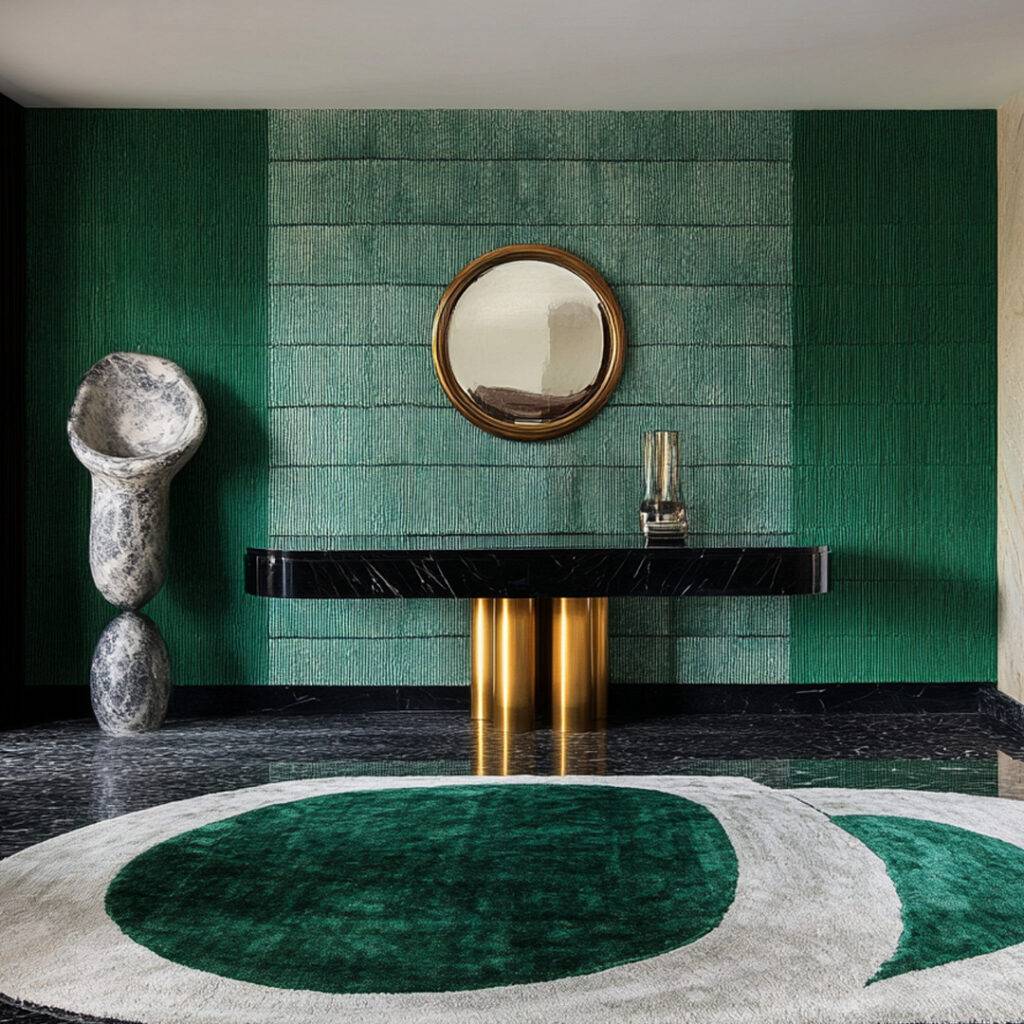
Textured rugs add depth and visual interest to any interior space. The interplay of materials, shapes, and colours creates a visually dynamic surface and a tactile experience that enhances comfort.
Geometric shapes and varied pile heights, such as high-low designs, bring a sculptural quality to the rug, while cut and loop pile combinations add intricate patterns and subtle dimensions. Embossed or carved patterns elevate the aesthetic appeal by giving the rug a captivating three-dimensional effect.
These elements work together to create a harmonious blend of style and warmth, making textured rugs perfect for creating cosy, inviting spaces rich in character and design.
HOUSE OF HOMMÉS is the home of three bold and unique design brands that share the same vision – to deliver essential designer furniture, bold decor objects, luxe pet accessories, and stylish rugs for ultra-modern interiors, paying particular attention to how they fit in the same space. Shop at hommes.studio
Browse and shop at The Lovely Vintage and Antiques Fair this autumn and find heirlooms and treasures galore
With autumn creeping in, the new season brings with it new thrills. The Lovely Vintage and Antiques Fair opens its doors for the first time at the River & Rowing Museum on October 5th. As the name suggests this fair is set to have a carefully curated collection of gorgeous vintage and antique wares from expert dealers around the country.
The stunning Thames Room with its floor to ceiling windows has stunning views of the River and Mill Meadows and makes the perfect backdrop for you to browse and be inspired by sustainable shopping particularly with Christmas around the corner.
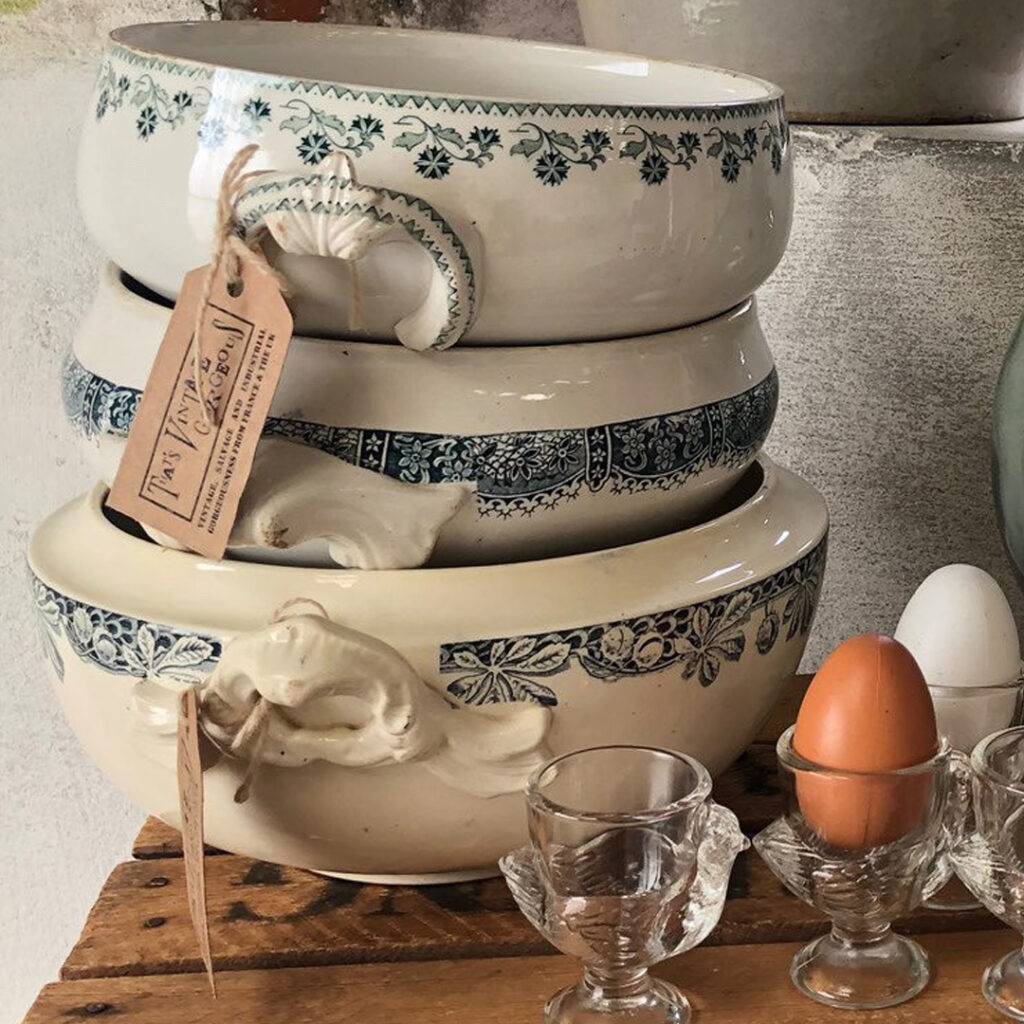
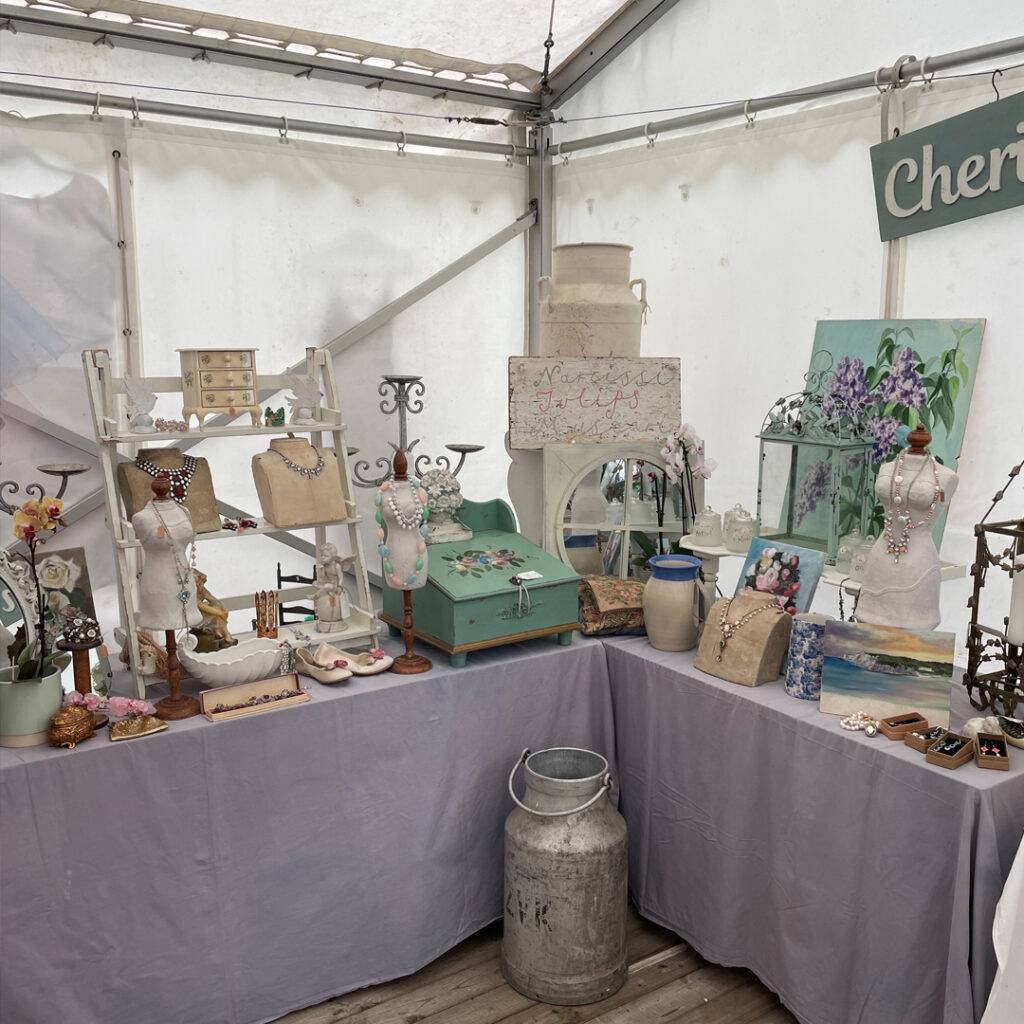
Expect all sorts from our 20 dealers taking part with selection of art, ceramics, textiles, clothing, jewellery, household items, curiosities and ephemera and much more. Every era is covered From Regency to mid-century. There is a splash of brocante and a dash of rustic. Everything will of course be lovely!
Hosted by local vintage dealer Joanna Dickinson of Henley who during the pandemic supported the vintage community with social media marketing when all fairs and markets were forced to close. It was during this time that many dealers banded together on Instagram and took to virtual selling which was a huge hit!
Once life settled back down, Jo realised being a vintage dealer was a natural progression and opened an Etsy store called Jojo Jam Jar Vintage. The community have remained firm friends since and are always kind and helpful to each other.
Jo says: “All my friends who do the fairs up and down the country have the most stunning wares for sales. It seemed unfair to keep these treasures all to myself. I’m delighted to show off the best vintage with our town.
“The River and Rowing Museum is the perfect venue with its architecture and facilities. To avoid disappointment, arrive early as things do sell out quickly. Nothing is as unique and special as a treasured heirloom and the thrill of finding an old piece and giving it a new forever home really is lovely!”
The Fair is open 10am to 4pm. The museum has parking on site and nearby and you can walk into Henley in a matter of minutes. There also is a large café with indoor and outdoor seating. A newly constructed play park was installed in the summer to help lively kids burn off some energy if you need to entertain little ones.